
List of World Heritage Sites in Australia
Overview and selected list of Australia's 20 UNESCO World Heritage Sites, with categories, history since joining the convention in 1974, and links to official sources.
Australia is home to a diverse group of natural and cultural places inscribed on the UNESCO World Heritage List. UNESCO has inscribed a total of 20 properties in Australia. These range from outstanding marine ecosystems and ancient rock formations to convict-era buildings and important Indigenous cultural landscapes, reflecting the country’s extraordinary environmental values and human history.
Image gallery
10 Images




Characteristics and categories
World Heritage Sites in Australia fall into three main categories: natural, cultural, and mixed (both natural and cultural values). Natural inscriptions recognize exceptional biodiversity, geology or ecological processes; cultural inscriptions highlight historic architecture, archaeological remains or living cultural traditions; mixed sites meet both sets of criteria. Several Australian entries are serial or multi-component properties that group related locations under a single listing.
Selected examples
- Great Barrier Reef — the world’s largest coral reef system and a flagship marine natural site.
- Kakadu National Park — a landscape of natural diversity and ancient Aboriginal rock art (mixed values).
- Uluru–Kata Tjuta National Park — iconic sandstone formations of deep cultural significance.
- Tasmanian Wilderness — extensive temperate wilderness with both natural and cultural importance.
- Gondwana Rainforests — remnant rainforests preserving ancient plant lineages.
- Sydney Opera House and Royal Exhibition Building and Carlton Gardens — examples of culturally significant architecture.
- Willandra Lakes Region and Budj Bim Cultural Landscape — archaeological and Indigenous cultural sites.
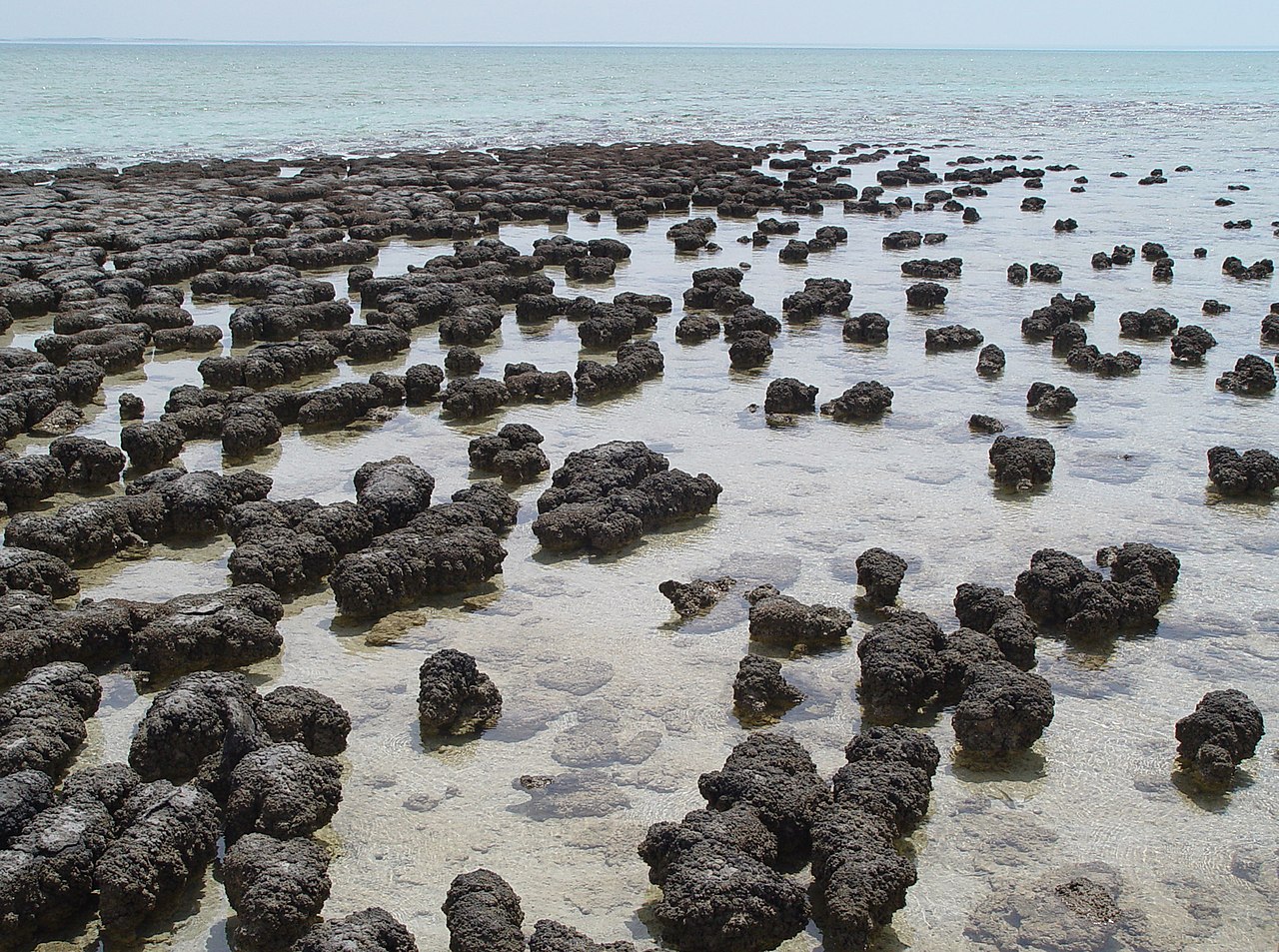
- Ningaloo Coast, Shark Bay, Lord Howe Island Group, Macquarie Island and Heard and McDonald Islands — notable natural places representing marine and polar environments.
These entries are only a selection; the full set of inscriptions and their official descriptions are maintained by UNESCO and national authorities. For the complete list and detailed statements of significance consult the official sources: UNESCO: Australia entries, World Heritage Centre site, or the UNESCO organization pages.
History and importance
Australia became a party to the World Heritage Convention on 22 August 1974 and has actively nominated properties that meet the convention’s cultural and natural criteria. World Heritage designation raises national and international awareness, supports conservation planning, and can influence tourism, research and Indigenous custodianship. Designation also carries obligations: states are expected to protect the outstanding universal value that justified inscription.
Many Australian sites also illustrate global themes — from the evolution of marsupials and ancient rainforests to human adaptation and colonial-era networks — making them important both domestically and to the wider world. For management details, nomination dossiers and statements of significance, see the official listings linked above.
Related articles
Author
AlegsaOnline.com List of World Heritage Sites in Australia Leandro Alegsa
URL: https://en.alegsaonline.com/art/125234