
UNESCO World Heritage Sites in Romania
Overview and guide to Romania’s UNESCO World Heritage Sites: major cultural and natural entries, their characteristics, importance, and conservation issues.
The UNESCO World Heritage Sites in Romania comprise a mix of cultural monuments and natural landscapes recognized for their outstanding universal value. These entries showcase the country's medieval architecture, rural traditions, ancient archaeology and biodiversity-rich ecosystems. The list is compiled and maintained by UNESCO to highlight places considered significant for humanity.
Image gallery
10 Images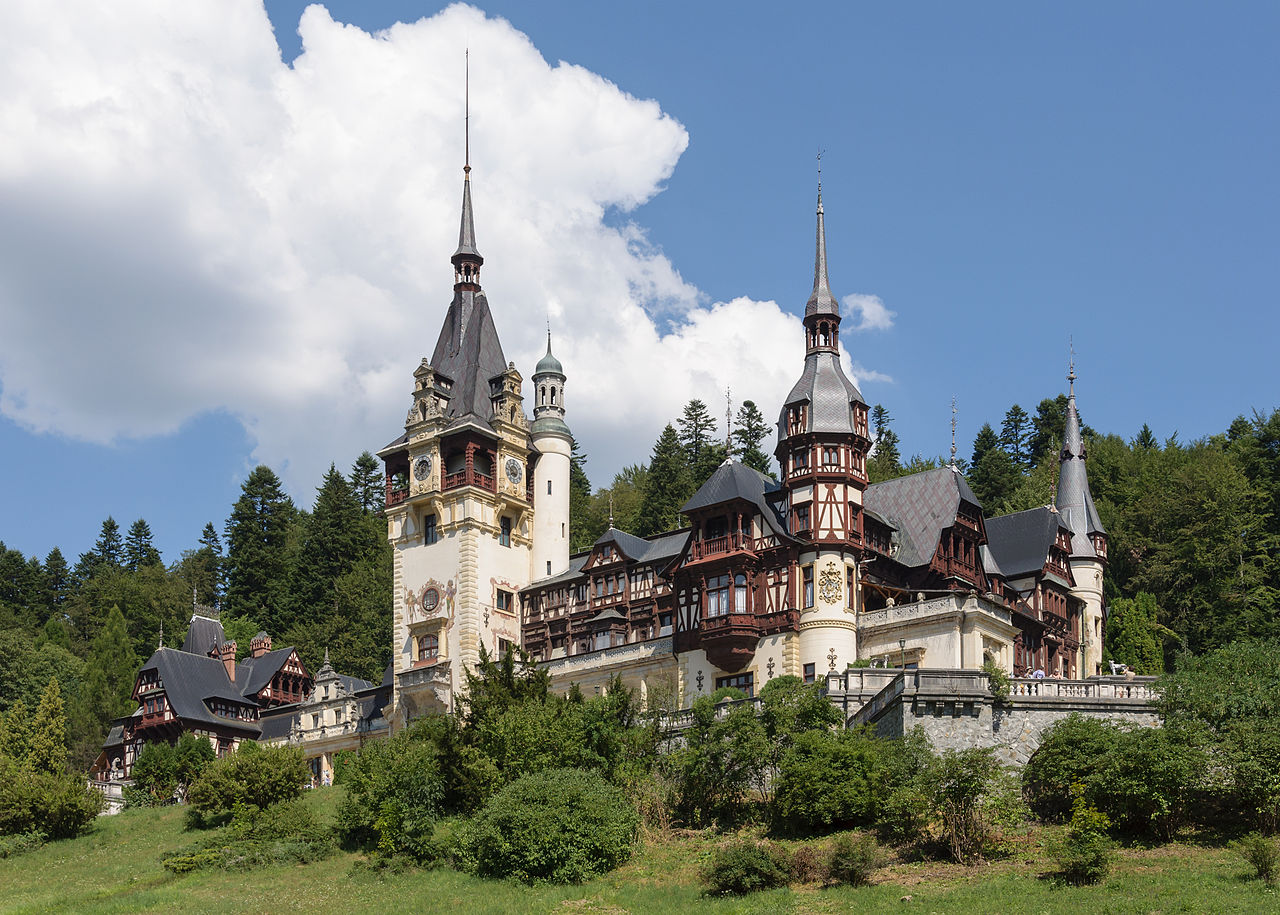


Characteristics and categories
Romanian World Heritage inscriptions fall into two broad categories: cultural sites that reflect historic human achievement, and natural sites that preserve ecosystems and species. Several entries are collective or serial properties, meaning they include multiple locations under one inscription. A few Romanian sites are part of larger transnational listings, linking them to conservation or heritage efforts across borders.
Notable sites
- Danube Delta – a vast wetland where river and sea meet, notable for its birdlife, fish habitats and mosaic of channels and reedbeds.
- Wooden Churches of Maramureș – a group of tall, timber churches reflecting traditional carpentry and rural religious architecture.
- Churches of Moldavia – painted monastery and church interiors decorated with extensive exterior and interior frescoes depicting biblical scenes.
- Historic Centre of Sighişoara – a well-preserved fortified medieval town, representative of Central European urban development.
- Villages with Fortified Churches in Transylvania – a serial nomination of rural communities with fortified religious buildings illustrating defensive and communal history.
- Dacian Fortresses of the Orăştie Mountains – archaeological remains connected with the pre-Roman Dacian civilization.
- Horezu Monastery – an example of local monastic architecture with rich artistic traditions.
- Primeval Beech Forests – a transnational natural property including old-growth beech forests that demonstrate ecological processes.
History, conservation and significance
Sites are proposed, evaluated and inscribed through a process involving national authorities and UNESCO advisory bodies. Following inscription, management plans aim to balance tourism, local communities and preservation. Romanian entries often raise issues common to many heritage sites: sustaining traditional practices, protecting habitats from development and promoting responsible visitation.
Further information
For official descriptions, criteria and the full list of properties, consult the UNESCO World Heritage resources via UNESCO. The national heritage authorities also publish management plans and guidance for visitors and researchers interested in these places.
Related articles
Author
AlegsaOnline.com UNESCO World Heritage Sites in Romania Leandro Alegsa
URL: https://en.alegsaonline.com/art/125241