
World Heritage Sites in Ecuador
An overview of Ecuador's UNESCO World Heritage Sites, their characteristics, significance, conservation challenges, and why they are important culturally and environmentally.
Overview
Ecuador's World Heritage Sites are places recognized for their outstanding universal value to humanity. Designated by UNESCO, these sites include both cultural cities and unique natural areas that reflect the country's rich history and exceptional biodiversity. They play important roles in conservation, scholarship, and sustainable tourism.
Image gallery
10 Images




List of principal sites
The principal World Heritage Sites in Ecuador span urban heritage and fragile ecosystems. Key examples include:
- Historic Centre of Quito — An exceptionally well-preserved colonial city center built on earlier indigenous foundations, noted for its churches, plazas and civic fabric.
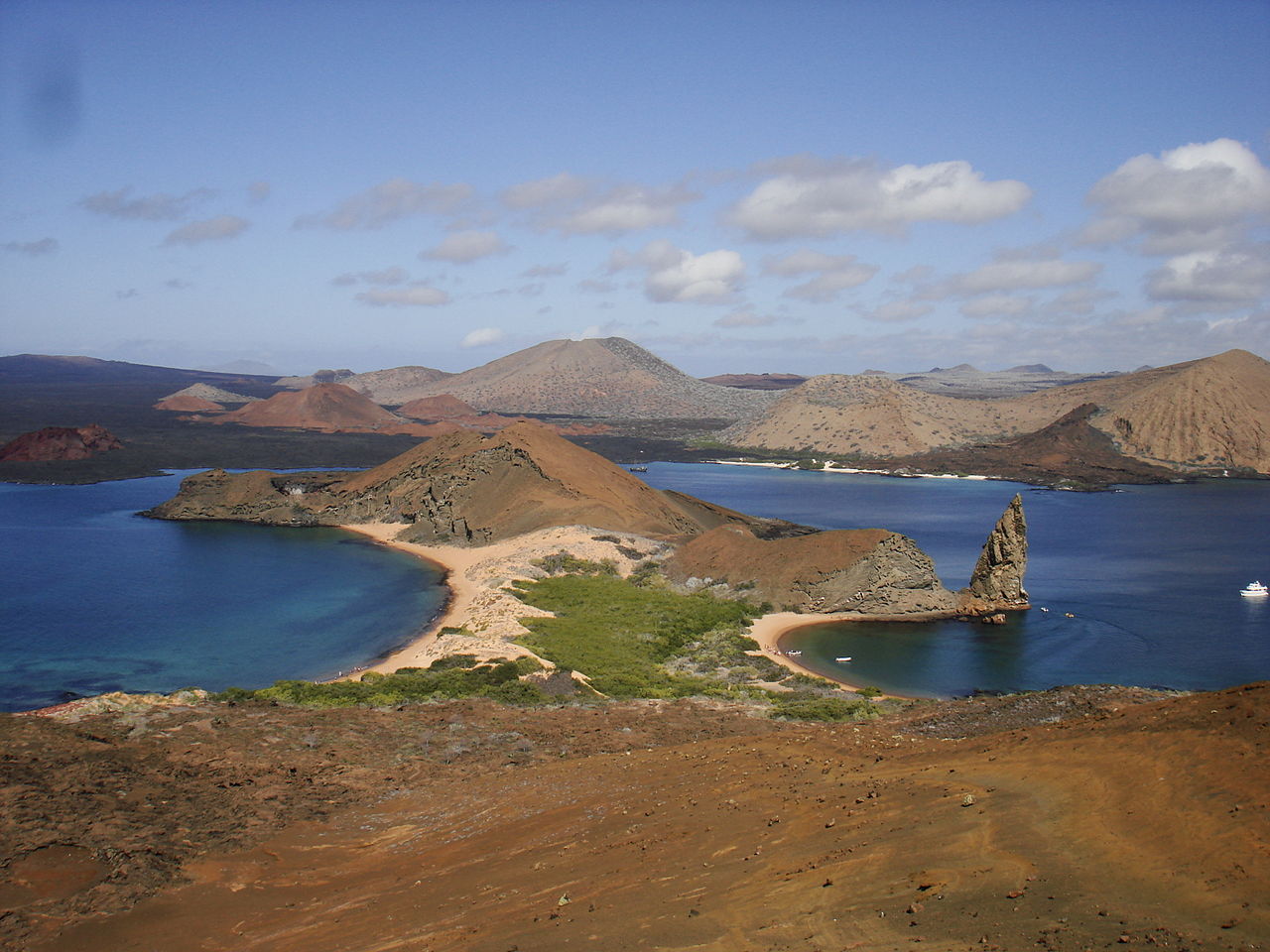
- Galápagos Islands — A volcanic archipelago famed for its endemic species and its influence on the development of modern evolutionary theory; the islands are a priority for scientific research and species protection.
- Historic Centre of Cuenca — An Andean city with a layered colonial and republican architectural legacy, valued for its urban layout and traditional craftsmanship.
- Sangay National Park — A large protected area that includes active volcanoes, diverse ecosystems from Andean forests to páramo, and habitats for many native species.
Characteristics and importance
These sites demonstrate different kinds of outstanding value: cultural sites show architectural, artistic and urban achievements from indigenous and colonial periods; natural sites represent evolutionary processes, ecological diversity and critical habitats. Together they exemplify Ecuador's geographic and cultural variety, from Pacific islands to highland cities and tropical mountains.
Conservation, threats and management
Managing World Heritage Sites in Ecuador involves balancing preservation with local development and tourism. Common challenges include invasive species and visitor pressure in the Galápagos, volcanic activity and habitat shifts in mountain parks, and urban conservation pressures such as modernization and infrastructure demands in historic centres. Site management plans, scientific monitoring, legal protections and community involvement are central tools used to maintain values that merited inscription.
Notable facts and distinction
Several of Ecuador's inscribed places are internationally prominent: the island group is globally renowned for its role in natural history, while Quito and Cuenca are celebrated as among Latin America's most complete colonial urban ensembles. These sites attract researchers, heritage professionals and visitors, and they contribute to Ecuador's identity, education and economy while highlighting the need for careful stewardship.
Further information
For an authoritative list and details on criteria, boundaries and management, consult official materials from UNESCO and national heritage authorities, which provide current status reports and guidance for visitors and researchers.
Related articles
Author
AlegsaOnline.com World Heritage Sites in Ecuador Leandro Alegsa
URL: https://en.alegsaonline.com/art/125235