
World Heritage Sites in France
Overview of France's UNESCO World Heritage Sites: numbers, categories, notable examples, history of inscriptions, conservation challenges, and the significance for culture and nature.
Overview
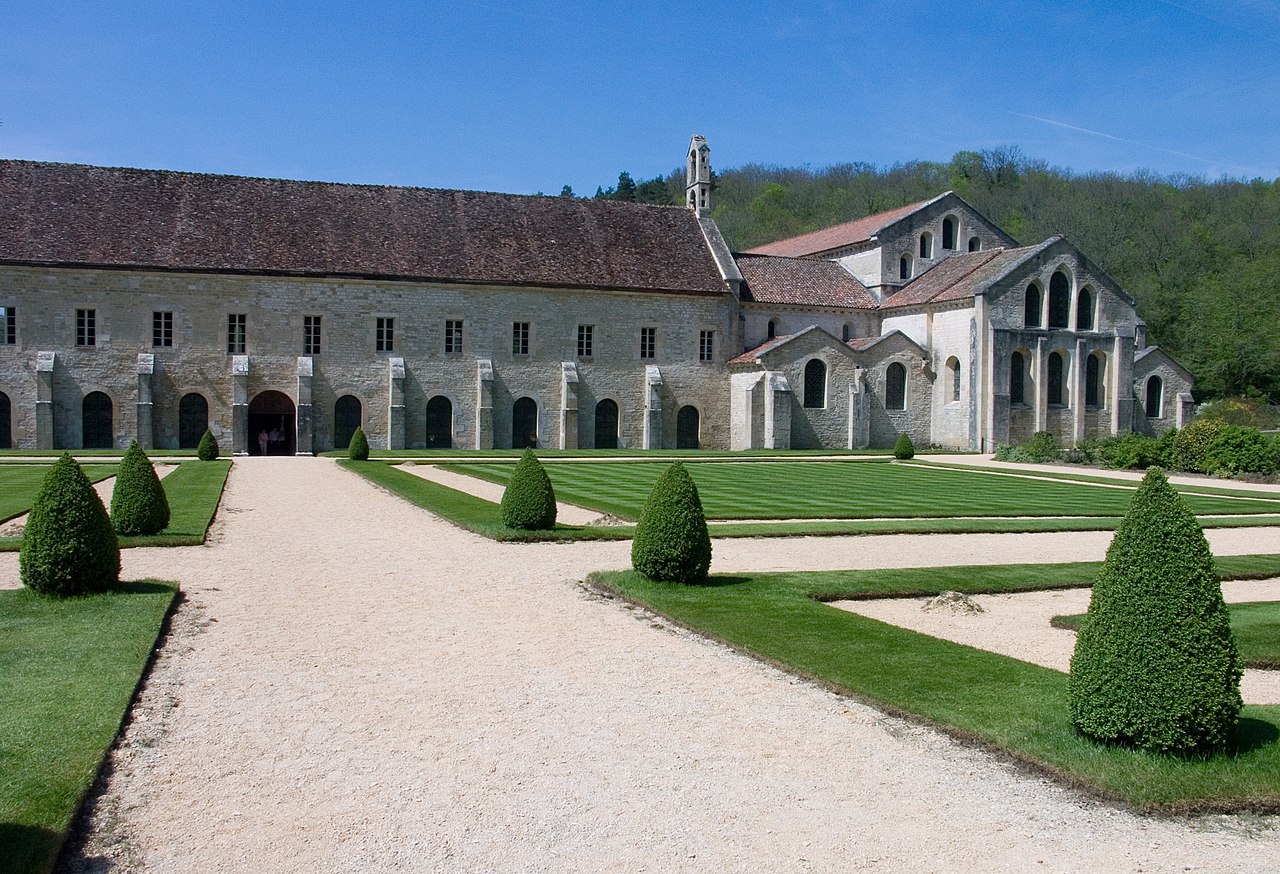
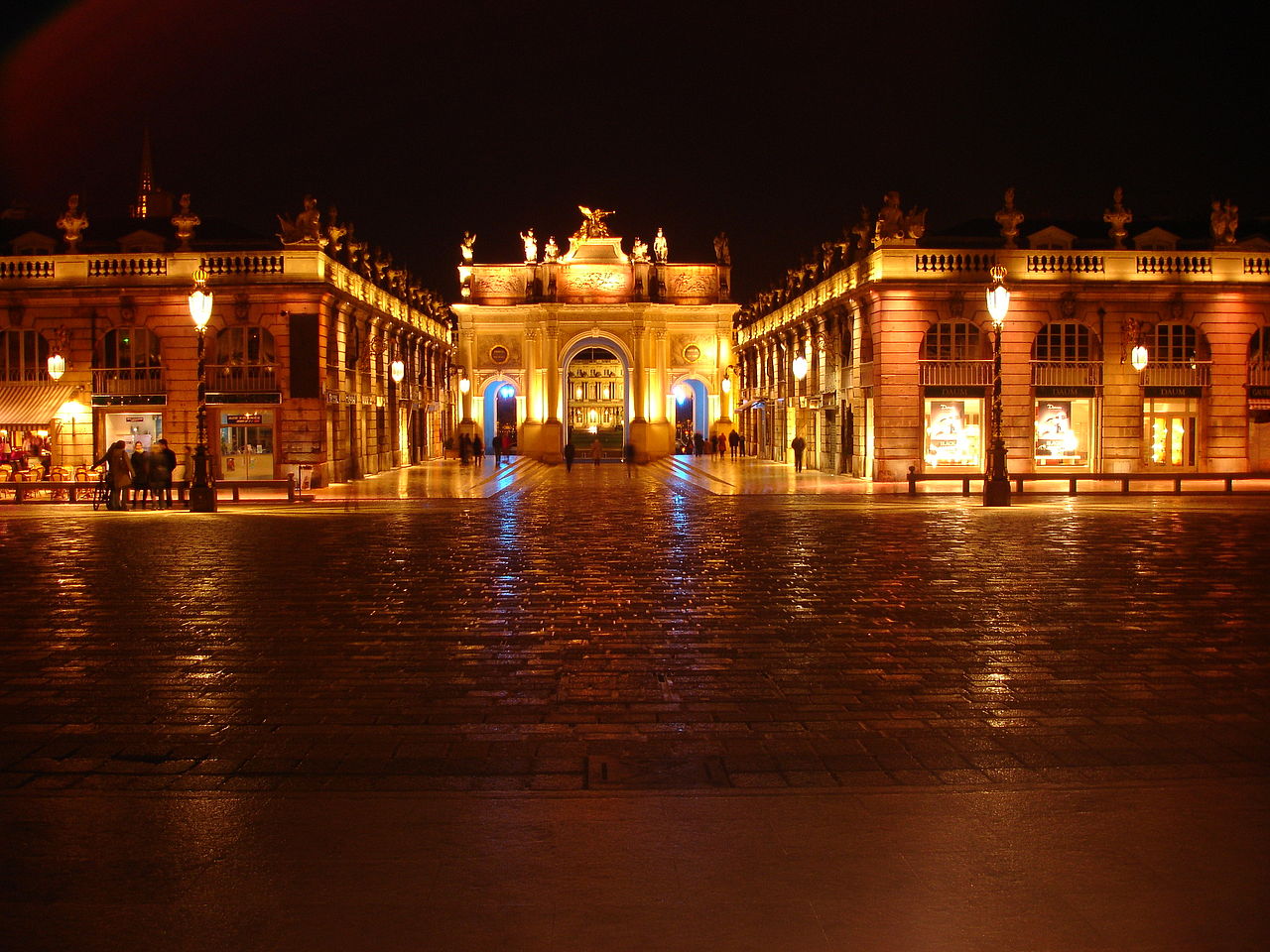
France is home to a significant number of properties inscribed on the UNESCO World Heritage List. As of the most recent update, 37 French properties appear on the list: 33 cultural sites, three natural sites, and one mixed site. The country's first inscriptions date from 1979 and the most recent addition occurred in 2011. The collection includes monuments, historic towns, cultural landscapes, archaeological ensembles and natural areas that illustrate France's long and varied heritage.
Image gallery
10 Images




Categories and Criteria
UNESCO classifies World Heritage properties under cultural, natural or mixed categories. Cultural criteria (I–VI) include masterpieces of human creative genius and outstanding examples of architectural or technological ensembles. Natural criteria (VII–X) relate to exceptional natural phenomena, biodiversity and geological processes. France's sites span these categories and are protected and managed according to the Operational Guidelines established by UNESCO. For official listings and descriptions see the World Heritage List.
Notable Sites and Examples
The French list contains many well‑known places that attract international visitors and scholarly interest. Representative examples include:
- Medieval and religious complexes such as Mont‑Saint‑Michel and Gothic cathedrals;
- Historic urban areas like the Loire Valley between Sully‑sur‑Loire and Chalonnes or well‑preserved medieval towns;
- Prehistoric and archaeological ensembles illustrating early human habitation and art;
- Natural landscapes and parks representing geological or ecological importance.
For a complete inventory and descriptions, consult the national list or the official page titled List of World Heritage Sites in France.
History of Inscriptions and Management
The process of inscription begins with a national tentative list and proceeds through nominations evaluated by advisory bodies. French inscriptions have occurred over several decades, reflecting evolving priorities in heritage recognition. Management typically involves national agencies, local authorities, site managers and, where relevant, cross‑border cooperation for transnational properties. Protective measures combine legal designation, conservation plans and monitoring to maintain the values for which sites were listed.
Conservation, Challenges and Importance
World Heritage status brings international recognition and can boost tourism and funding, but also raises challenges such as visitor pressure, urban development, pollution and climate impacts. Effective stewardship relies on balancing conservation, community needs and sustainable tourism. The sites in France are valued both for their universal cultural significance and for the natural features that some properties preserve.
Further Information
Readers seeking detailed inventories, maps or nomination dossiers should consult the UNESCO World Heritage pages and national heritage authorities via the links above. These resources provide official criteria, statement of significance and guidance on legal protection and site management.
Questions and answers
Q: How many World Heritage Sites in France are on UNESCO's World Heritage List?
A: Currently, thirty-seven properties in France are on the World Heritage List.
Q: What types of properties are on the World Heritage List in France?
A: Thirty-three of these are cultural properties, three are natural properties, and one is mixed.
Q: When was the first property in France added to the World Heritage List?
A: The first property was added to the list in 1979.
Q: When was the latest property in France added to the World Heritage List?
A: The latest property was added to the list in 2011.
Q: How many cultural properties are on the World Heritage List in France?
A: There are thirty-three cultural properties on the World Heritage List in France.
Q: How many natural properties are on the World Heritage List in France?
A: There are three natural properties on the World Heritage List in France.
Q: How many mixed properties are on the World Heritage List in France?
A: There is one mixed property on the World Heritage List in France.
Related articles
Author
AlegsaOnline.com World Heritage Sites in France Leandro Alegsa
URL: https://en.alegsaonline.com/art/125236