
List of World Heritage Sites in India
Overview of India's UNESCO World Heritage Sites: categories, notable examples, the nomination process, their significance for conservation and tourism, and preservation challenges.
The List of World Heritage Sites in India comprises cultural, natural and mixed places inscribed by UNESCO as having Outstanding Universal Value. These sites range from ancient monuments and temple complexes to wildlife reserves and unique natural landscapes. The international designation seeks to encourage protection, documentation and sustainable management of locations that are important to humanity. For official criteria and the global list see UNESCO.
Image gallery
10 Images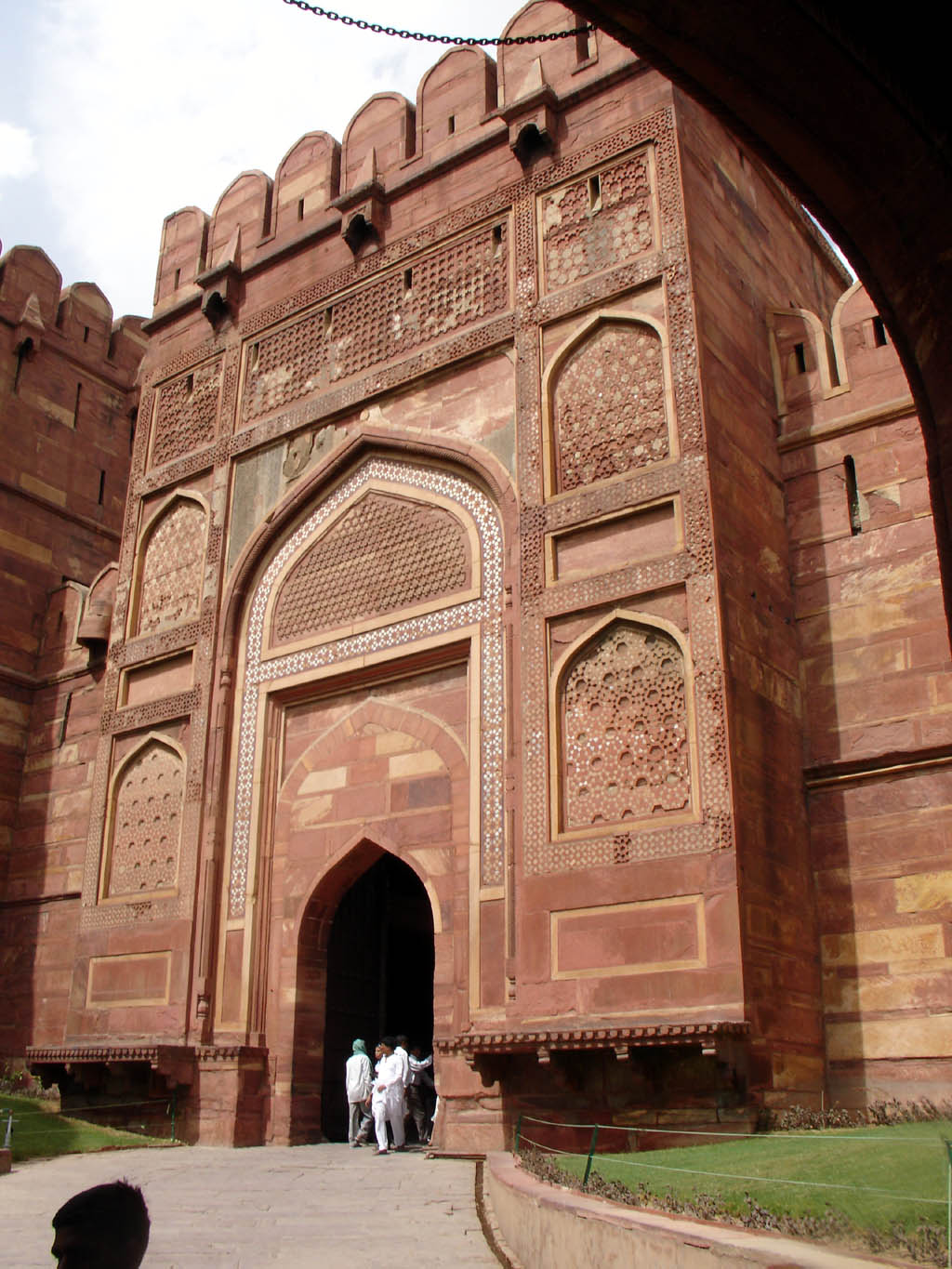




Criteria and categories
UNESCO recognizes sites under cultural, natural or mixed criteria. Cultural listings often include architectural ensembles, archaeological remains and places of religious or historical importance. Natural listings protect exceptional ecosystems, biodiversity and geological formations. Mixed sites combine both cultural and natural significance. In India, both prehistoric rock-cut caves and living monuments, as well as protected forests and wetlands, are represented.
Notable examples
- Taj Mahal — monumental mausoleum, exemplary Mughal architecture
- Agra Fort and Red Fort — major historical fortifications
- Qutb Minar complex — medieval tower and surrounding monuments
- Ajanta and Ellora Caves — rock-cut Buddhist, Hindu and Jain cave temples
- Khajuraho Group of Monuments — medieval temple art
- Konark Sun Temple — 13th-century coastal temple complex
- Hampi — ruins of the Vijayanagara Empire
- Sundarbans National Park — mangrove ecosystem (partly shared regionally)
- Kaziranga National Park — important wildlife habitat
- Keoladeo National Park — seasonal wetlands and birdlife
Nomination and history
Sites are proposed by national authorities and placed on a tentative list before a formal nomination dossier is prepared. Independent advisory bodies assess nominations and the World Heritage Committee makes the final decision at its annual session. The designation has evolved since the Convention was established in the 1970s and reflects changing emphases in protection, documentation and community engagement.
Significance, management and challenges
Inscription raises awareness, attracts funding and can boost tourism, which benefits local economies. It also creates obligations for conservation and reporting. Many Indian sites are managed by government agencies such as the Archaeological Survey of India and state forest departments, often in partnership with local communities and researchers. Challenges include urban development pressures, pollution, visitor management, habitat loss and climate impacts. Successful stewardship typically combines legal protection, scientific study, community involvement and sustainable tourism planning.
Notable facts and distinctions
India's entries illustrate a wide chronological and ecological span — from ancient cave art and imperial monuments to modern urban heritage and critical wildlife sanctuaries. Some inscribed properties are serial or component-based, meaning they include multiple dispersed elements linked by history or theme. The World Heritage label is both a recognition and a call to sustained conservation action that balances heritage values with contemporary needs.
Related articles
Author
AlegsaOnline.com List of World Heritage Sites in India Leandro Alegsa
URL: https://en.alegsaonline.com/art/125237