
List of volcanoes: overview, classification, distribution and notable examples
An organized overview of volcano lists: categories (active, dormant, extinct), common types, global distribution, notable examples, hazards, monitoring and how volcano inventories are compiled.
Overview
The compiled list of volcanoes is a reference that catalogs volcanic features worldwide and records their current status, location and basic characteristics. Such lists are used by scientists, emergency planners and the public to understand where volcanoes are, how they behave and what risks they pose. Entries range from large stratovolcanoes to submarine vents and volcanic fields.
Image gallery
4 Images
Classification by activity
Volcanoes are commonly grouped by activity status. These categories are pragmatic rather than absolute and can change as new observations arrive. Typical status labels include:
- Active — showing recent eruptions or ongoing unrest.
- Dormant — not currently erupting but with potential to erupt again; see related pages on dormant and extinct volcanoes.
- Extinct — considered unlikely to erupt again, often eroded or deeply altered.
Volcano types and characteristics
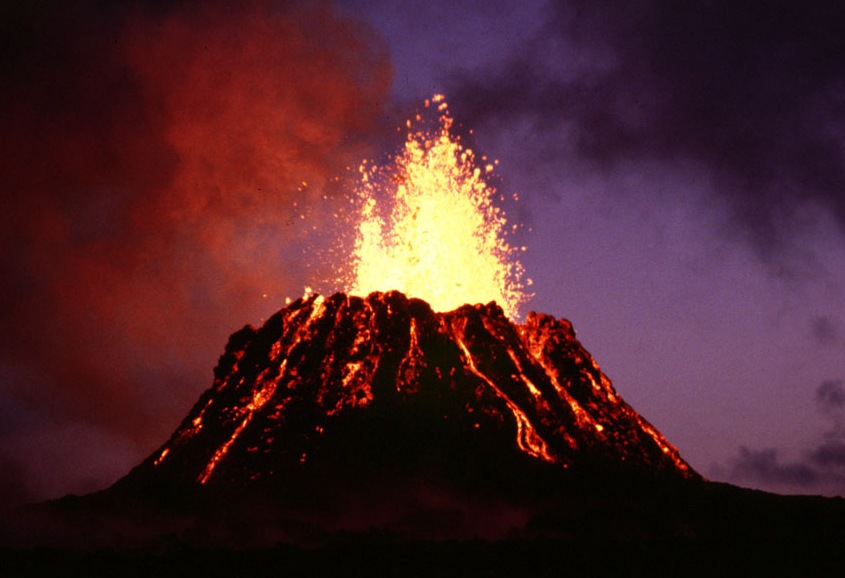
Volcanoes are also classified by shape and eruption style. Common types include stratovolcanoes (steep, often explosive), shield volcanoes (broad, fluid lava flows), cinder cones (small, steep-sided), calderas (large collapse structures) and fissure vents. Each type has characteristic hazards such as lava flows, pyroclastic flows, ash fall and lahars.
Distribution and notable examples
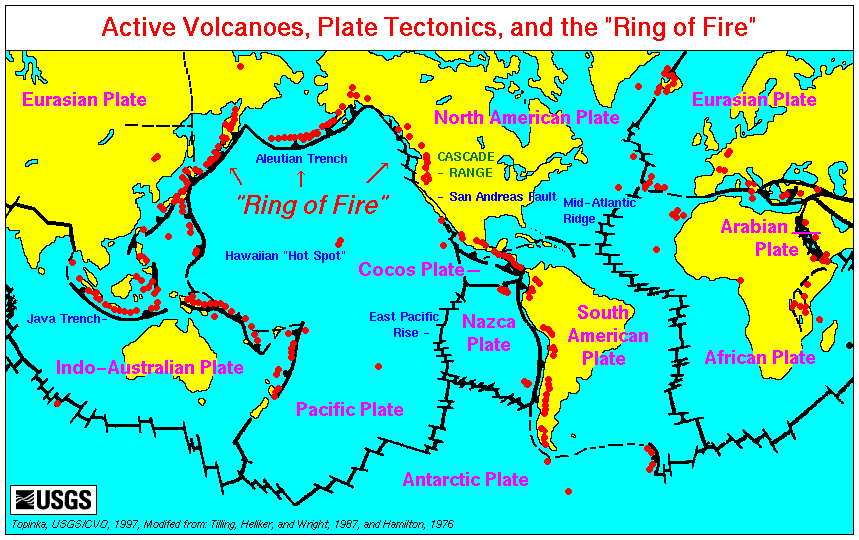
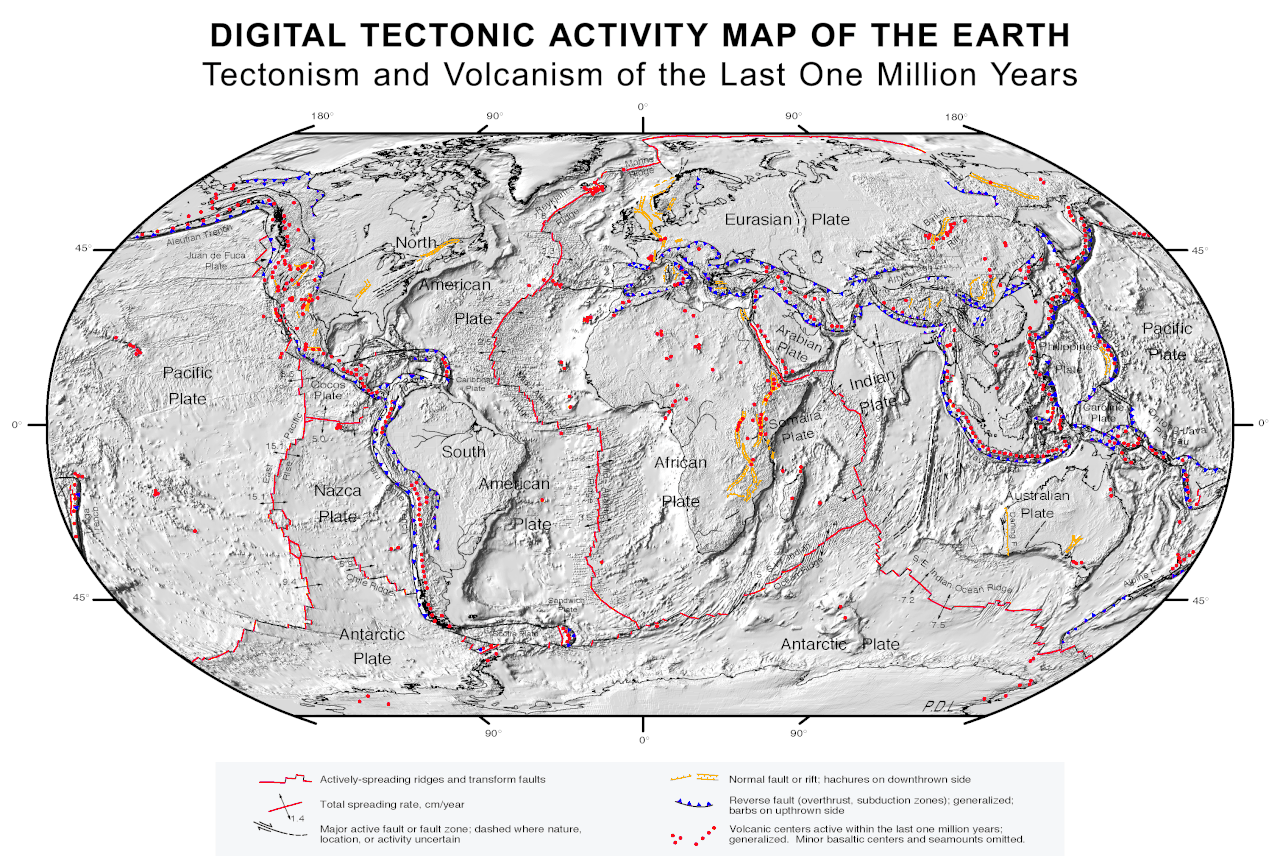
Volcanoes are concentrated along tectonic plate boundaries and hot spots. Well-known examples that appear on many lists include:
- Mauna Loa and Kilauea (Hawaii) — shield volcanoes formed over a hot spot.
- Mount Fuji (Japan) and Mount St. Helens (Cascade Range) — stratovolcanoes with a history of explosive activity.
- Mount Vesuvius (Italy) and Mount Etna (Sicily) — historically active, with significant human impact.
- Krakatoa and Eyjafjallajökull — examples noted for powerful eruptions that affected distant regions.
Hazards, monitoring and uses
Volcano lists support hazard assessment by identifying where monitoring should focus. Instruments measure seismicity, ground deformation, gas emissions and thermal anomalies to detect unrest. Understanding volcanoes also informs land use, geothermal energy development and tourism. Even dormant volcanoes may host valuable ecosystems or mineral deposits.
Compiling and using volcano lists
Lists are compiled from field studies, satellite observations and historical records. Criteria for inclusion and status assignment vary by organization, so users should consult the maintaining authority for definitions and updates. For more detailed inventories and current activity bulletins consult specialist databases and local geological surveys.
Related articles
Author
AlegsaOnline.com List of volcanoes: overview, classification, distribution and notable examples Leandro Alegsa
URL: https://en.alegsaonline.com/art/125225