
List of Pacific typhoon seasons
Annual compilations of tropical cyclone activity in the western North Pacific, which is monitored year‑round and documented as individual seasonal lists for each calendar year.
Overview
A "Pacific typhoon season" is a conventional way to group the tropical cyclones that form in the western North Pacific basin during a calendar year. Unlike Atlantic hurricane seasons, which have official start and end dates, the western North Pacific is active year‑round; the season therefore runs from January 1 (start) to December 31 (end). These dates simply reflect the calendar period when storms typically form north of the equator and west of the International Date Line (region).
Image gallery
2 Images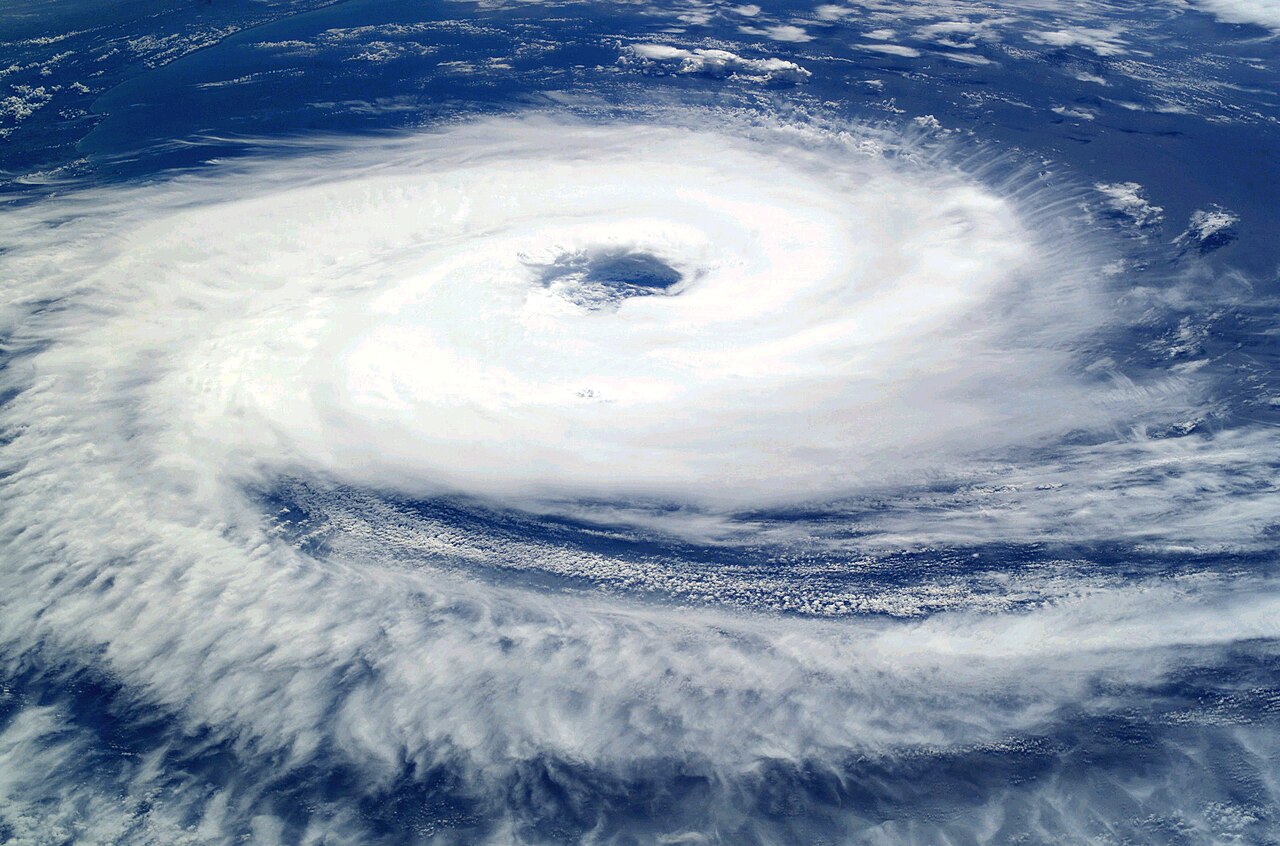

Characteristics and definitions
Tropical cyclones in this basin are classified by intensity and commonly called "tropical storms" or "typhoons" when they reach stronger winds. The term "typhoon" is used for systems that attain sustained winds comparable to a hurricane in the Atlantic. Seasonal lists record each system's name(s), dates of existence, track, peak intensity and impact on land.
Monitoring and naming
Multiple meteorological agencies track storms in the basin. The Japan Meteorological Agency (JMA) provides official numbers and warnings for the western North Pacific, while regional bodies such as the Philippine weather service give local names when systems enter their area of responsibility. The United States Joint Typhoon Warning Center (JTWC) also issues advisories for military and international interests. Names are drawn from established lists and very destructive names are retired and replaced.
History and seasonal variability
Documentation of Pacific typhoon activity goes back many decades and is maintained as a sequence of yearly lists. Seasonal activity varies with large‑scale climate patterns — for example, phases of the El Niño–Southern Oscillation influence the frequency, tracks and regions most affected. While storms can occur in any month, climatological peaks typically fall in the late summer and early autumn.
Uses and examples
Yearly lists serve several purposes: they provide an archival record for researchers, are used to assess societal impacts and insurance losses, and help with disaster preparedness. Each season's list usually highlights the number of named storms, the strongest systems, those causing the most damage or fatalities, and notable records.
How to read a season list
- Entries are chronological and include formation and dissipation dates.
- Tracks show the path across the basin and landfalls.
- Intensity is given as peak sustained winds and central pressure.
- Alternate names are noted when agencies assign local identifiers.
Researchers, emergency managers and the public use these compiled lists to compare seasons, study trends, and learn from past impacts. For further regional details or official seasonal summaries consult the designated meteorological agencies linked above.
Questions and answers
Q: What is the list of Pacific typhoon seasons?
A: The list of Pacific typhoon seasons is a compilation of the annual periods when tropical cyclones usually form in the western half of the Pacific Ocean, north of the equator.
Q: When do the Pacific typhoon seasons run?
A: The Pacific typhoon seasons run for the entire year, starting on January 1 and ending on December 31.
Q: How are the Pacific typhoon seasons different from Atlantic and Pacific hurricane seasons?
A: The Pacific typhoon seasons differ from Atlantic and Pacific hurricane seasons in that they run for the whole year, while the hurricane seasons last only from June to November.
Q: Where do tropical cyclones usually form in the Pacific Ocean?
A: Tropical cyclones usually form in the western half of the Pacific Ocean, north of the equator.
Q: What is the significance of the dates mentioned in the text?
A: The dates mentioned in the text are significant because they mark the typical period when tropical cyclones usually form in the western half of the Pacific Ocean, north of the equator.
Q: How can the list of Pacific typhoon seasons be helpful to people?
A: The list of Pacific typhoon seasons can be helpful to people who live or travel to areas affected by typhoons as they can use it to plan and prepare for potential storms.
Q: Is it guaranteed that there will be a tropical cyclone forming during the Pacific typhoon seasons?
A: It is not guaranteed that there will be a tropical cyclone forming during the Pacific typhoon seasons as it depends on various factors like weather patterns and ocean temperatures.
Related articles
Author
AlegsaOnline.com List of Pacific typhoon seasons Leandro Alegsa
URL: https://en.alegsaonline.com/art/124894