
List of minerals
Overview of mineral species: classification, key properties, formation processes, common examples, uses, and how minerals differ from rocks.
Overview
Minerals are naturally occurring, inorganic solids with a definite chemical composition and an ordered atomic structure. They form the building blocks of rocks and soils and are identified by physical and chemical properties such as crystal habit, hardness, cleavage, color, luster, and specific gravity. Scientists recognise several thousand distinct mineral species, each defined by a unique combination of composition and structure.
Image gallery
10 Images
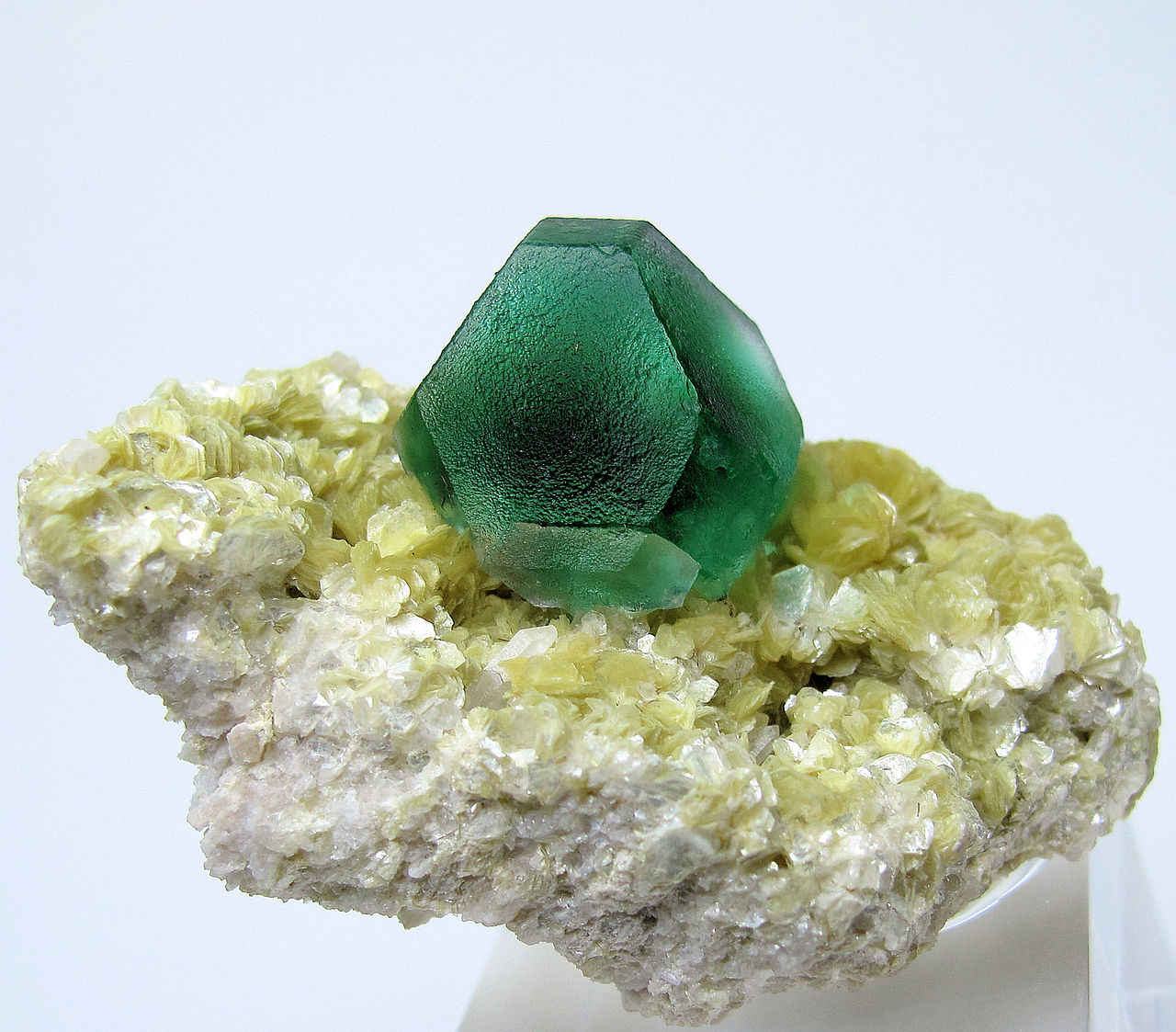


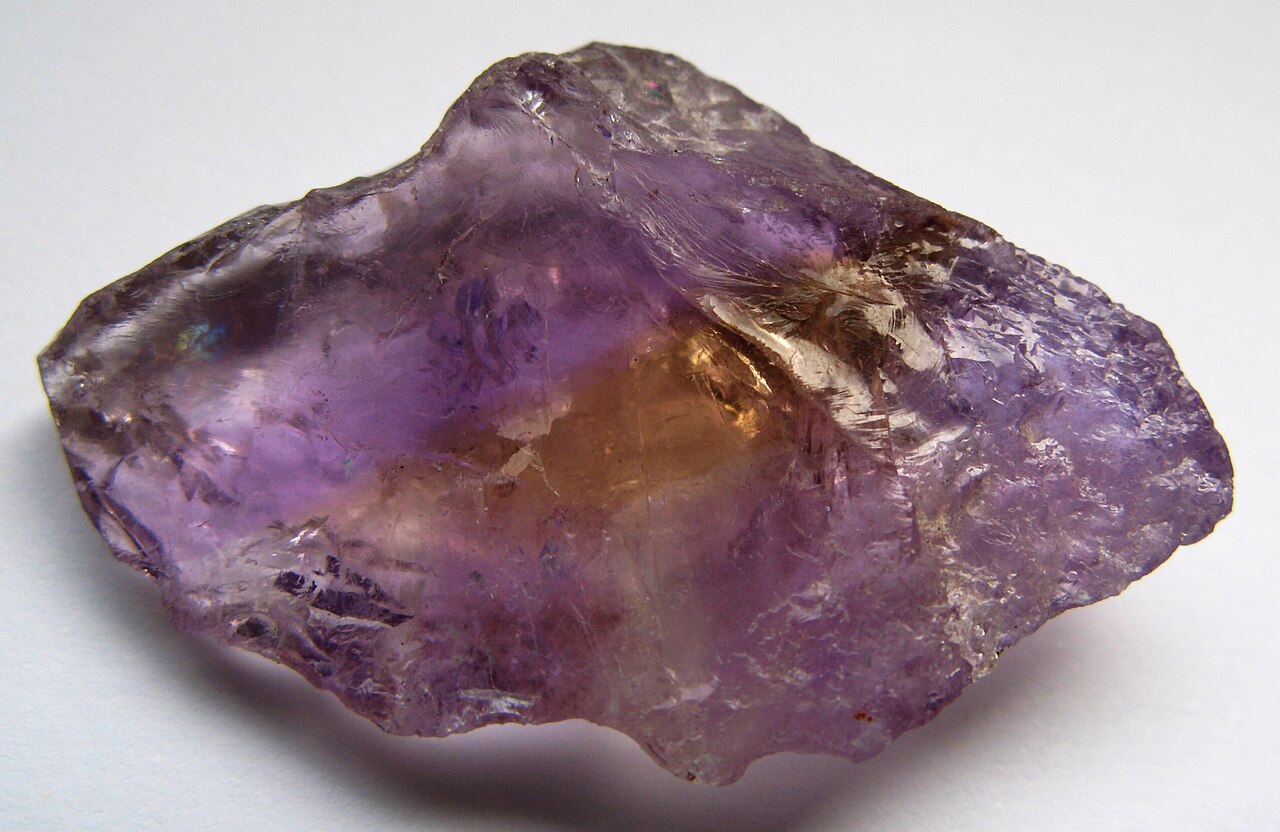


Classification and properties
Minerals are commonly grouped by dominant anion or anionic group and by crystal structure. Two widely used classification schemes are the Dana and Strunz systems, which organize species into classes and subclasses for study and reference. Key diagnostic properties include:
- Chemical composition: elements and anionic groups (e.g., silicates, carbonates).
- Crystal system: cubic, tetragonal, orthorhombic, etc.
- Physical traits: hardness (Mohs scale), cleavage/fracture, color, streak, and luster.
Formation and occurrence
Minerals form by a range of geological processes. Common origins include crystallization from magma (igneous), recrystallization during metamorphism, precipitation from aqueous solutions (sedimentary and hydrothermal), weathering of preexisting minerals, and biologically mediated processes such as shell formation. Their occurrence reflects local temperature, pressure, and chemical environment.
Examples and notable groups
- Silicates: quartz, feldspars, micas — the most abundant group in Earth’s crust.
- Oxides: hematite, magnetite — important for metal ores.
- Sulfides: pyrite, galena — common ore minerals for metals.
- Carbonates: calcite, dolomite — often form sedimentary rocks and cave formations.
- Native elements: gold, copper, sulfur — pure element minerals.
Uses and importance
Minerals have wide economic and cultural value. They supply metals, industrial materials, and building stones; many are essential in manufacturing (silicates for glass and ceramics, carbonates for cement). Gem-quality specimens are used in jewelry and art. In science, minerals record conditions of formation and help interpret geological history.
Distinctions and further resources
A mineral differs from a rock in that a rock is an aggregate of one or more minerals or mineraloids. For identification and comprehensive lists of recognized species, consult mineralogical handbooks or curated databases and catalogs. For a general compiled listing and further reading, see the List of minerals.
Related articles
Author
AlegsaOnline.com List of minerals Leandro Alegsa
URL: https://en.alegsaonline.com/art/124832