
Uninhabited regions: definition, types, causes and significance
Survey of places with no permanent human residents — definition, common categories (polar, deserts, remote islands, oceans), causes, uses (research, conservation) and legal or practical distinctions.
Overview
An uninhabited region is an area where no people live on a permanent basis. The term usually excludes places with temporary or seasonal occupants such as transient researchers, visiting crews, seasonal workers, or tourists. Some well known examples raise borderline questions: for instance, Antarctica hosts year-round research stations but no indigenous or permanently resident population, so it is commonly treated as uninhabited in demographic terms.
Image gallery
5 Images



Common categories
Uninhabited places occur across a variety of environments. They can be grouped by the physical or human factors that make permanent settlement impractical or undesirable.
- Polar ice sheets and high-latitude regions — vast, cold expanses of ice where harsh climate and logistical difficulty limit continuous habitation.
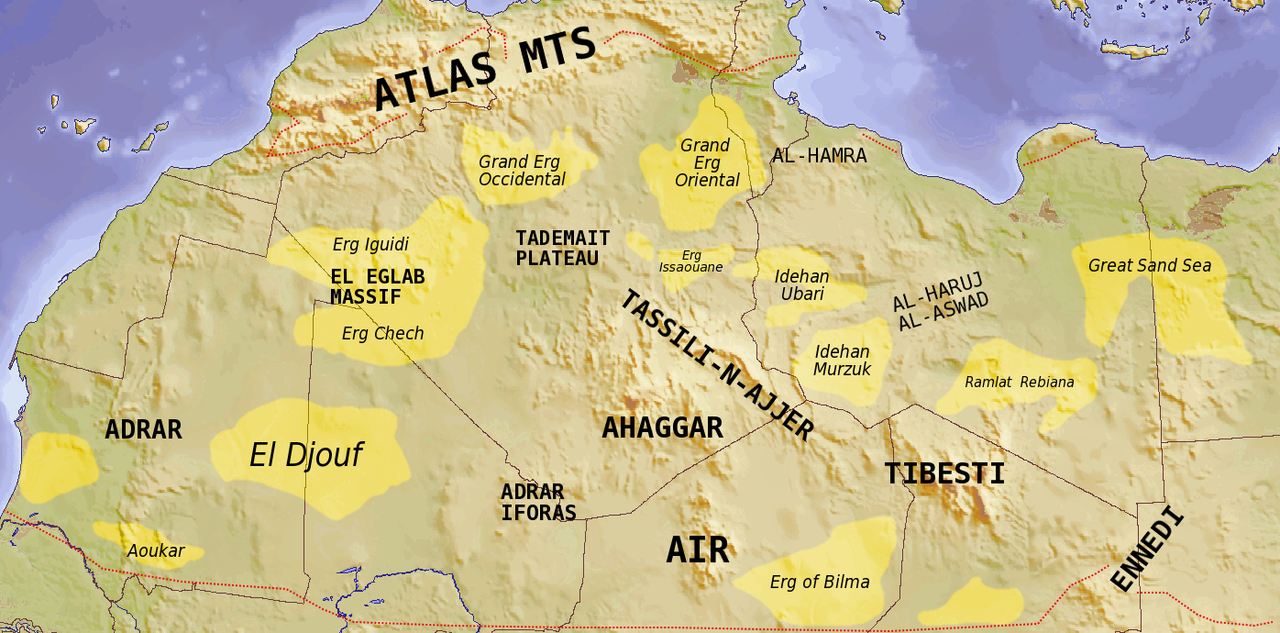
- Arid and desert interiors — areas lacking reliable water or arable land, such as parts of large deserts and semi-arid plateaus.
- Remote oceanic islands and atolls — small landmasses far from supply routes where freshwater and economic viability are constrained.
- High mountains and plateaus — elevations with thin air, severe weather, and limited soils that discourage permanent communities.
- Open ocean and deep-sea regions — by definition the high seas and abyssal plains do not host permanent human habitation, apart from transient vessels or installations.
Causes and historical development
Many uninhabited regions have remained so because of long-standing environmental barriers: extreme temperatures, lack of fresh water, poor soils, constant storms, or dangerous sea approaches. In some cases historical events such as natural disasters, pandemics, or economic collapse have depopulated formerly occupied areas. Human activity can also produce uninhabited zones — for example through contamination, industrial exclusion, or the establishment of protected reserves that restrict settlement.
Uses, importance and examples
Despite lacking permanent residents, uninhabited regions are important for science, conservation, and global systems. Polar and high-altitude sites are key for climate research; remote islands and wilderness areas often serve as refuges for endemic species; and open ocean zones drive weather and biogeochemical cycles. Researchers, conservationists, and regulated tourism frequently visit such places for study or recreation, but typically on a non-permanent basis.
Legal status and notable distinctions
Not all uninhabited places share the same legal or political status. Some are incorporated into nearby states, some lie under international governance regimes, and others are the subject of territorial claims or special treaties that limit activities. It is also important to distinguish "uninhabited" from "sparsely populated" — many regions have very low but continuous populations, while others admit only temporary human presence. Management challenges include balancing scientific access, biodiversity protection, respect for indigenous rights where applicable, and oversight of any resource exploration.
Related articles
Author
AlegsaOnline.com Uninhabited regions: definition, types, causes and significance Leandro Alegsa
URL: https://en.alegsaonline.com/art/125201