
Ultras of Mexico: mountains with 1,500+ m topographic prominence
Overview and context for the 26 Mexican mountains classified as Ultras — peaks with at least 1,500 m of topographic prominence — including characteristics, distribution and notable examples.
Overview
Any mountain whose topographic prominence measures 1,500 metres (4,921 ft) or more is classified as an Ultra. In Mexico there are 26 peaks that meet this threshold. These summits stand out relative to surrounding terrain and are of interest to geographers, climbers and conservationists because prominence highlights independent mountains rather than subsidiary high points.
Image gallery
8 Images
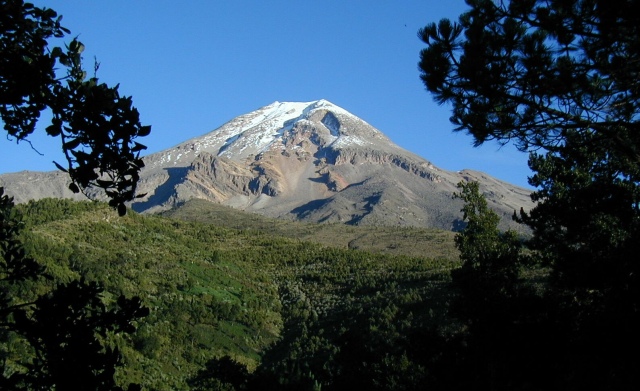


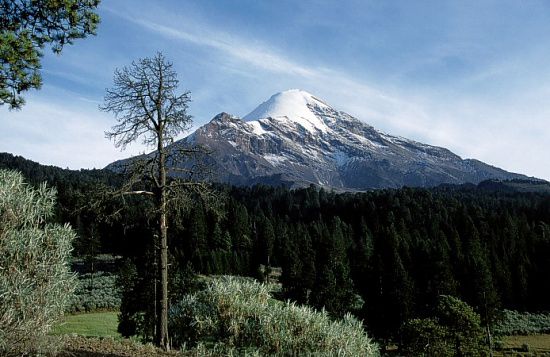
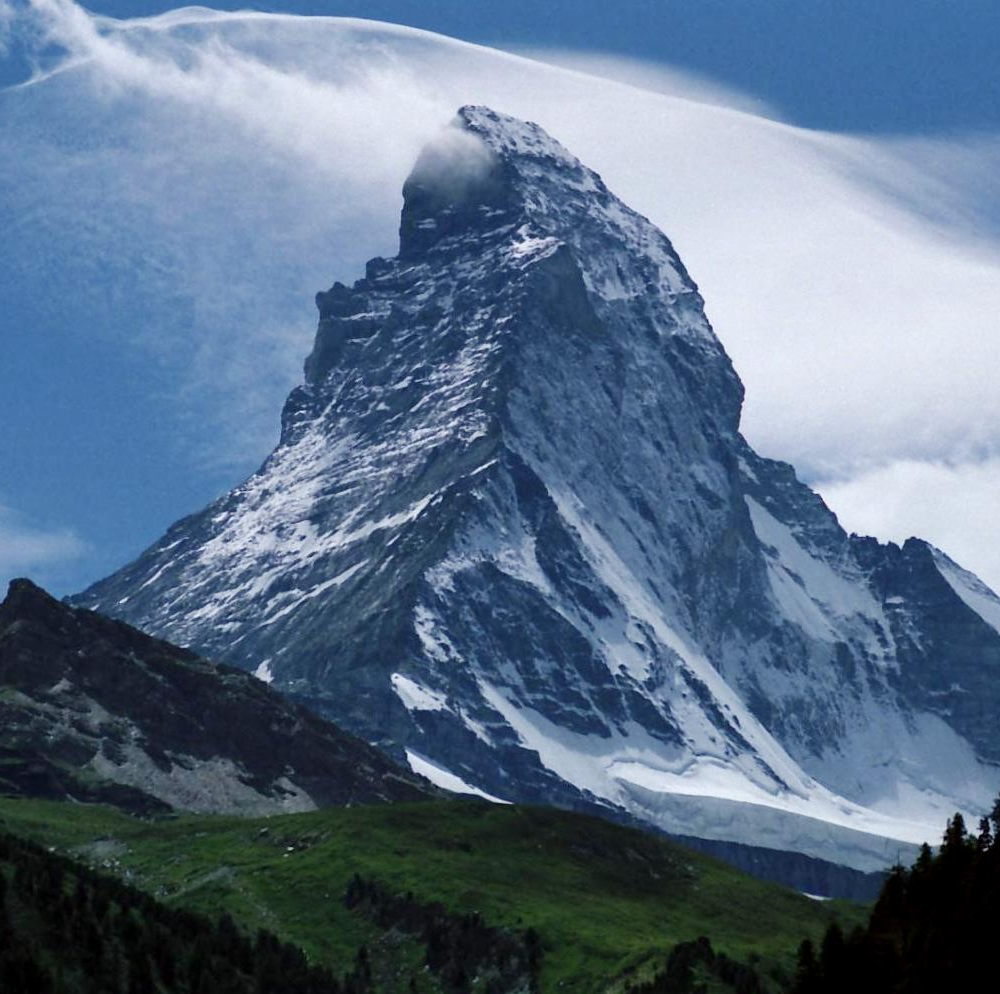


Characteristics and measurement
Topographic prominence quantifies how far a peak rises above the lowest contour line encircling it and no higher summit. Prominence is distinct from elevation: a high-elevation point can have low prominence if it sits on a ridge near a taller neighbor. Ultras therefore represent peaks that are not only tall, but also topographically distinct.
Geographic distribution
Mexico's Ultras are distributed across volcanic ranges, the Sierra Madre Occidental and Sierra Madre Oriental, and several isolated massifs. Many are volcanoes or eroded volcanic domes that dominate local landscapes. Their locations often create ecological islands with distinct climates and vegetation compared with surrounding lowlands.
Notable examples
- Pico de Orizaba (Citlaltépetl) — the highest point in Mexico and one of the most prominent North American peaks.
- Popocatépetl — an active stratovolcano visible from the central highlands.
- Iztaccíhuatl — a neighboring high volcano with characteristic peaks and ridgelines.
- Cofre de Perote, Nevado de Toluca and La Malinche — other well-known massifs that qualify as Ultras and shape regional climates and watersheds.
Importance and uses
Listing Ultras helps researchers prioritize peaks for mapping, biodiversity studies and mountaineering records because prominence reflects true summit independence. For local communities these peaks can be cultural landmarks, water sources and focal points for outdoor recreation. Conservation efforts sometimes target the distinctive habitats found on these elevated, isolated slopes.
Distinctions and further notes
Prominence-based lists differ from simple elevation lists: some very high summits do not appear among Ultras, and some lower-elevation but isolated peaks do. The count of 26 Ultras in Mexico is based on the 1,500 m cutoff and may be refined as mapping improves. For further technical details and maps consult specialized topographic resources and peak databases.
Questions and answers
Q: What are ultras in Mexico?
A: Ultras are mountains in Mexico that have a topographic prominence of 1500 metres (4921 feet) or more.
Q: How many ultras are there in Mexico?
A: There are 26 mountains in Mexico that qualify as ultras.
Q: What is the criterion for a mountain to qualify as an ultra in Mexico?
A: A mountain must have a topographic prominence of 1500 metres (4921 feet) or more to qualify as an ultra in Mexico.
Q: Is the list of ultras of Mexico sortable?
A: Yes, the list of ultras of Mexico is sortable.
Q: What is the purpose of the list of ultras of Mexico?
A: The purpose of the list of ultras of Mexico is to provide information about the mountains in Mexico that meet the criteria of an ultra.
Q: What is topographic prominence?
A: Topographic prominence is the elevation difference between the summit of a mountain and its highest saddle or intervening bump.
Q: Why is the topographic prominence of a mountain important for it to be classified as an ultra?
A: The topographic prominence of a mountain is important because it helps to determine the relative importance and separation of distinct mountain peaks.
Related articles
Author
AlegsaOnline.com Ultras of Mexico: mountains with 1,500+ m topographic prominence Leandro Alegsa
URL: https://en.alegsaonline.com/art/125198