
List of seas
Overview and classification of the world's seas, definitions, major examples by ocean, ecological and human importance, and how seas differ from oceans, gulfs and lakes.
The term "sea" is used in two related senses: collectively for the planet's interconnected oceanic waters and individually for many smaller, named bodies of saltwater. Seas may be open to the world ocean or partially or fully enclosed by land. Because naming and classification vary by convention, reference lists differ; many authorities enumerate roughly 70–80 named seas, with some lists citing 78.
Image gallery
9 Images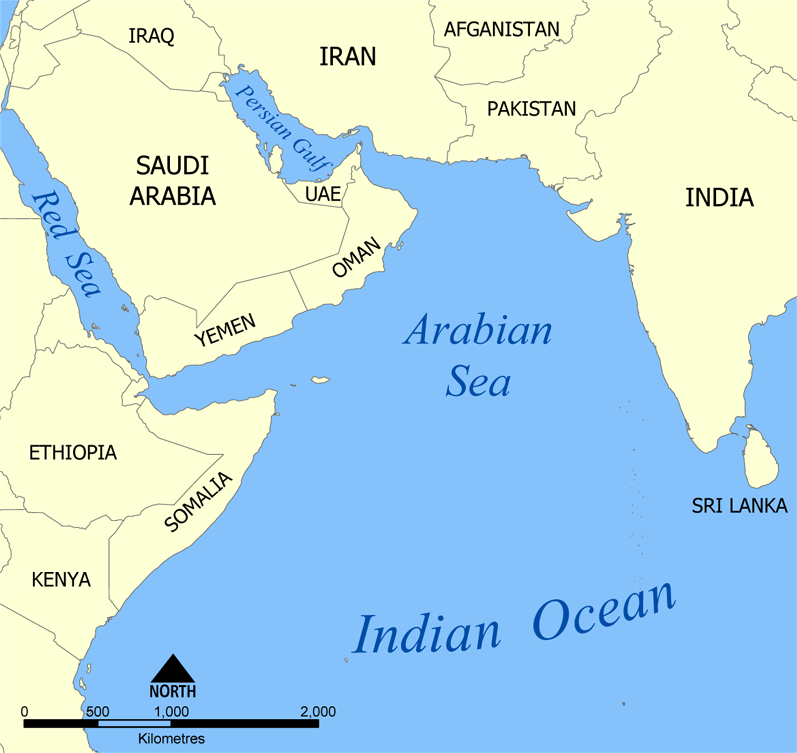


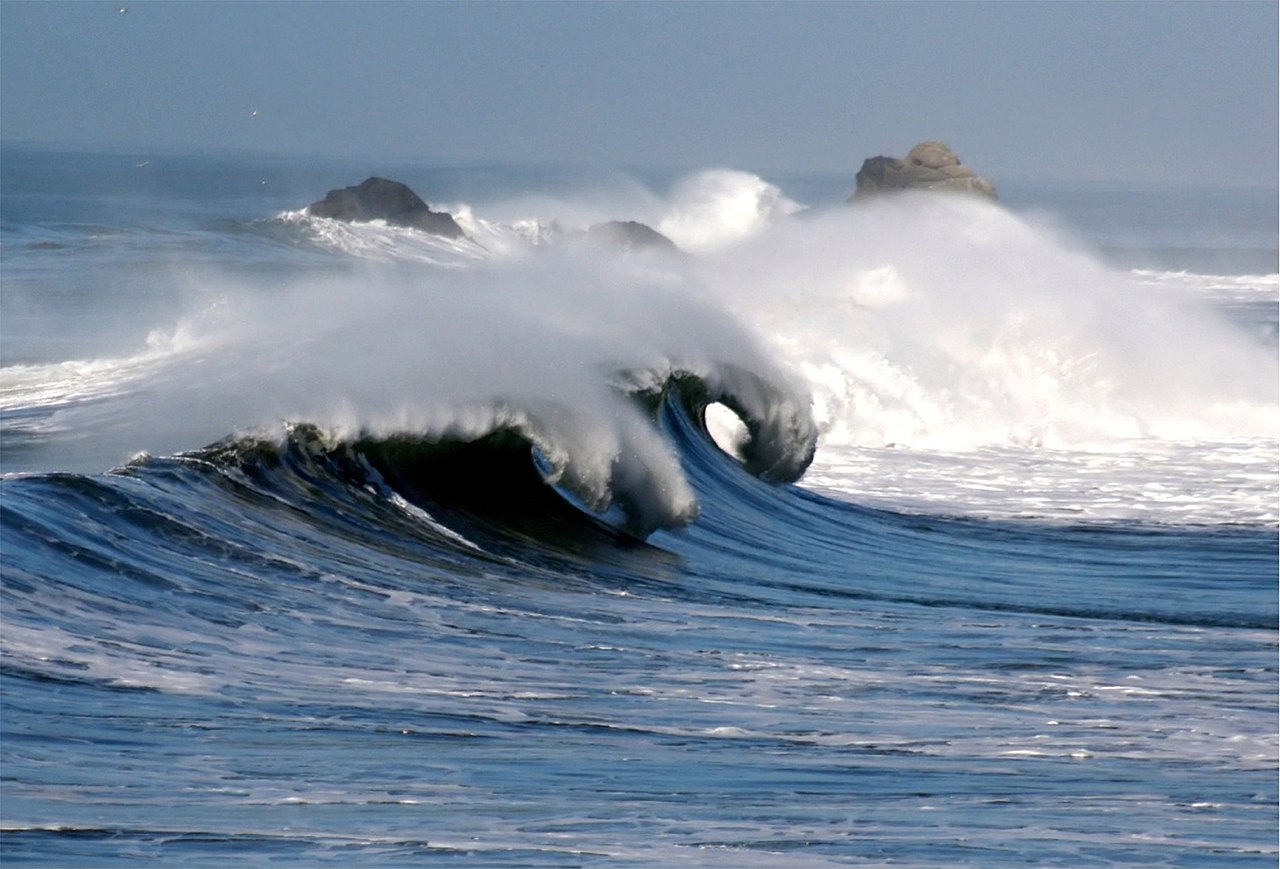


Types and defining characteristics
Seas are commonly grouped by their relationship to continents and oceans. Marginal seas lie on a continental margin and are partly enclosed by peninsulas or archipelagos (for example, the North Sea). Inland or enclosed seas are largely cut off from the global ocean by landforms and often have distinctive salinity and ecology (the Caspian Sea is the largest by surface area among bodies called "sea"). Epicontinental or epeiric seas are shallow waters that once flooded continental interiors during past geological periods. Other descriptive categories include semi-enclosed seas, shelf seas and seas defined by currents rather than coasts (the Sargasso Sea).
Major seas by ocean
- Atlantic Ocean: Mediterranean Sea, Caribbean Sea, North Sea, Baltic Sea, Labrador Sea, Celtic Sea, Gulf of Guinea (often listed with seas and gulfs).
- Pacific Ocean: South China Sea, East China Sea, Sea of Japan, Bering Sea, Coral Sea, Tasman Sea, Philippine Sea, Sea of Okhotsk.
- Indian Ocean: Arabian Sea, Bay of Bengal (often treated as a large bay or sea), Andaman Sea, Laccadive (Lakshadweep) Sea, Timor Sea.
- Arctic Ocean and Southern Ocean (Antarctic): Barents Sea, Kara Sea, Greenland Sea, Chukchi Sea, Weddell Sea, Ross Sea, Amundsen Sea.
Uses, importance and threats
Seas support shipping routes, fisheries, coastal economies and a large share of marine biodiversity. They influence regional climate through heat and moisture exchange and are sites for natural resource extraction (oil, gas, minerals) and tourism. Many seas face environmental pressures: overfishing, pollution, eutrophication, invasive species and habitat loss. Sea level rise, warming and ocean acidification affect coastal communities and ecosystems, while some enclosed seas show extreme changes in salinity, water level or oxygenation due to human activities.
Distinctions, naming and notable examples
Everyday usage of "sea", "ocean", "gulf" and "bay" overlaps; technical lists vary by language, history and cartographic convention. Oceans are the largest continuous bodies of saltwater; seas are smaller and often partially enclosed. Some named "seas" are inland freshwater or brackish lakes hydrologically (Caspian Sea, Sea of Galilee) or are exceptionally saline (Dead Sea). The Black Sea has a deep anoxic layer, the Baltic Sea is markedly brackish, and the Red Sea is noted for high salinity and diverse coral reefs. International catalogues such as older editions of the International Hydrographic Organization provide one set of limits and names, but no single global list is universally accepted.
Understanding the world's seas requires attention to geography, geology, oceanography and human context: the same term can apply to shallow, productive coastal shelves, large semi-enclosed basins, or even distinctive current-defined regions of the open ocean.
Questions and answers
Q: What is a sea?
A: A sea is the interconnected system of all the Earth's oceanic waters, including the Atlantic, Pacific, Indian, Southern and Arctic Oceans.
Q: Can the word "sea" refer to smaller bodies of seawater?
A: Yes, the word "sea" can also refer to specific, much smaller bodies of seawater, such as the North Sea or the Red Sea.
Q: How many seas are there in the world?
A: There are 78 seas in the world.
Q: Can you provide examples of specific seas?
A: Examples of specific seas include the North Sea, the Red Sea, the Black Sea, and the Caspian Sea.
Q: Are all seas connected to each other?
A: Yes, all seas are interconnected as part of the Earth's oceanic waters.
Q: What are some of the larger oceanic waters?
A: Some larger oceanic waters include the Atlantic, Pacific, Indian, Southern, and Arctic Oceans.
Q: What is the difference between an ocean and a sea?
A: The term "ocean" typically refers to the larger, interconnected bodies of water that make up most of the Earth's water. "Sea" is usually used to refer to smaller, more specific bodies of water.
Related articles
Author
AlegsaOnline.com List of seas Leandro Alegsa
URL: https://en.alegsaonline.com/art/125128