
Ultras of Canada: Mountains with 1,500 m or Greater Topographic Prominence
An encyclopedic overview of Canada's 143 Ultra-prominent summits: definition, measurement, geographic distribution, notable examples, uses and where to consult complete sortable lists and maps.
Overview
An "Ultra" is a mountain whose topographic prominence equals or exceeds 1,500 metres (4,921 ft). In Canada, 143 summits meet that standard. Prominence measures how independently a peak rises above surrounding terrain rather than just its elevation, so many well-known Canadian mountains qualify as Ultras because they stand distinctly above neighbouring ridgelines and valleys.
Image gallery
10 Images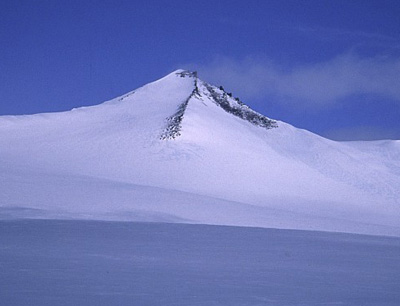


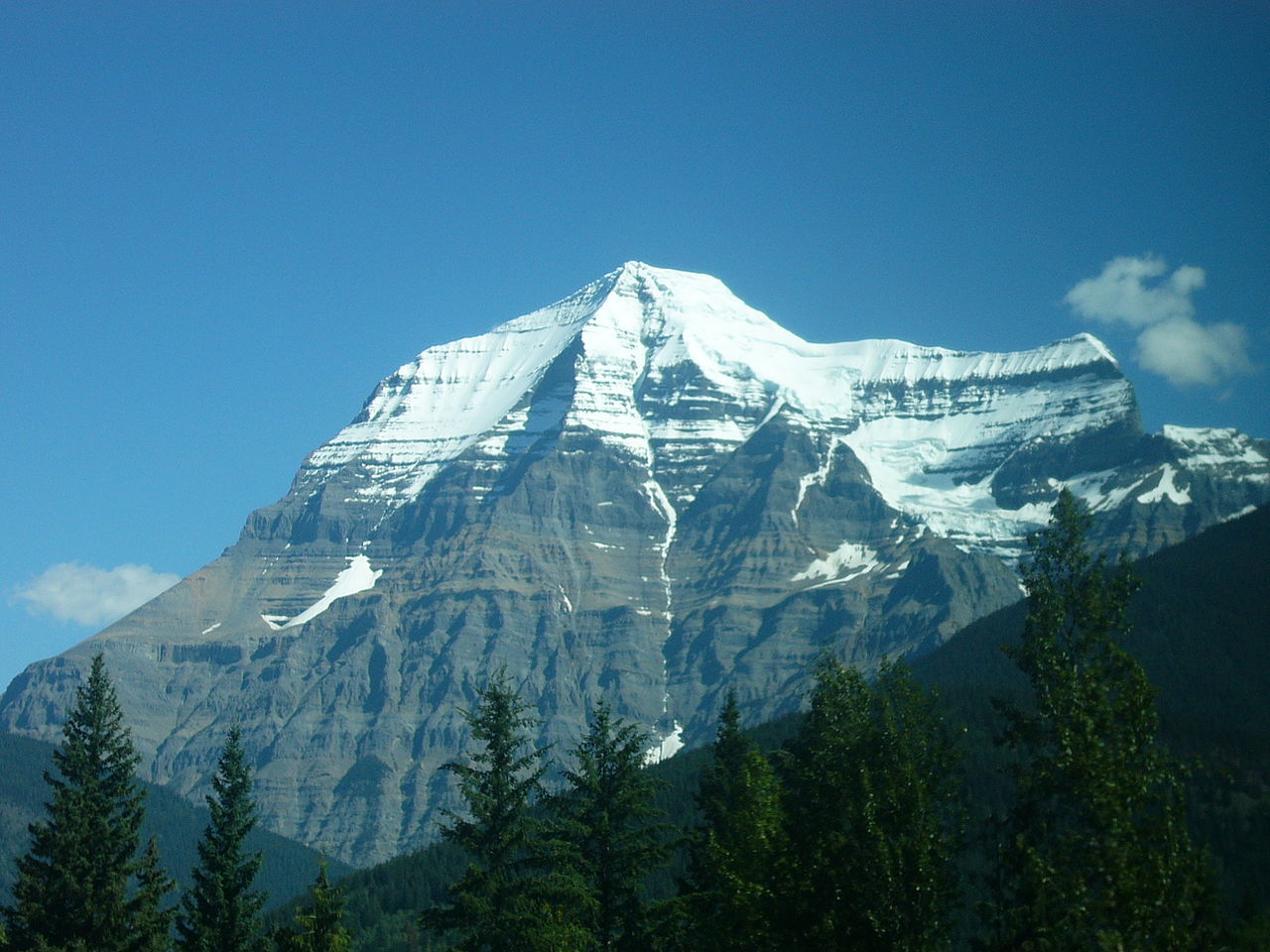


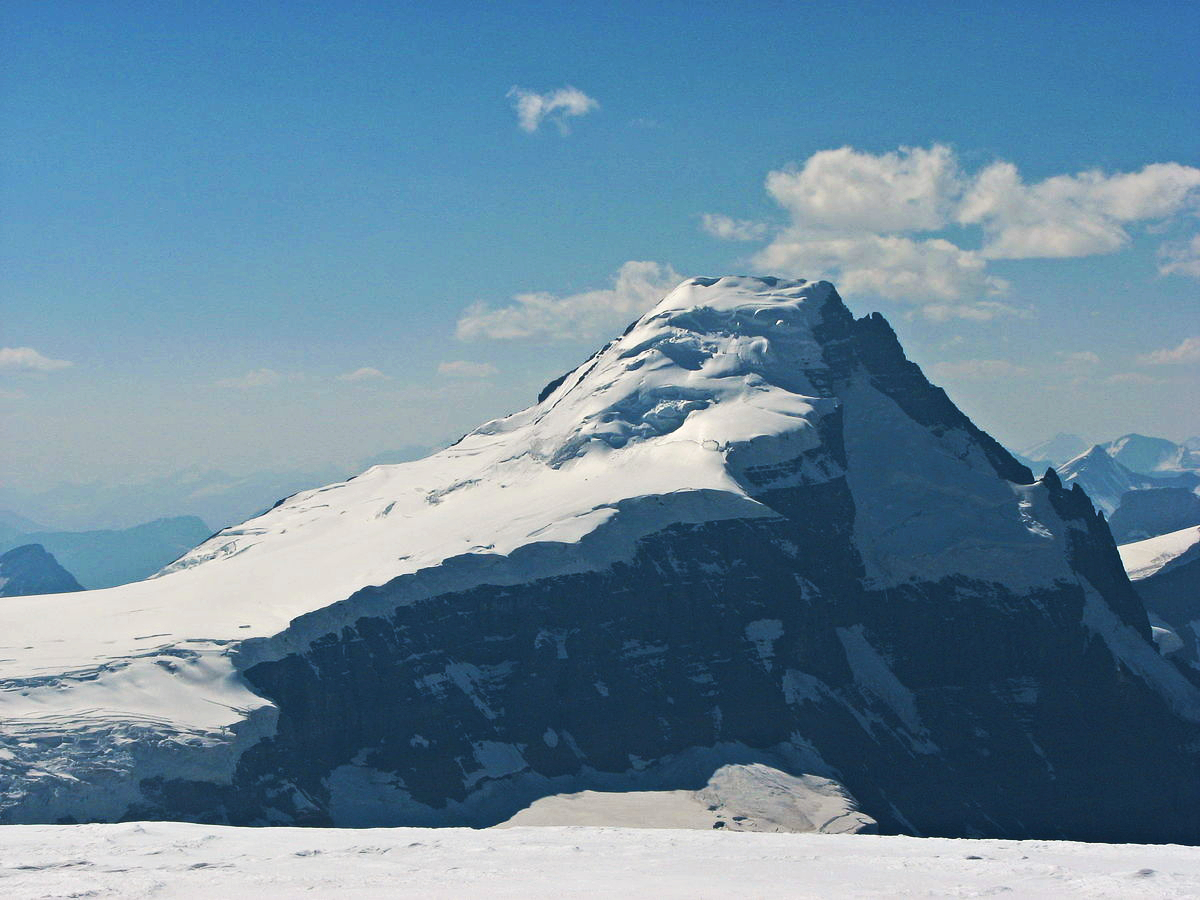

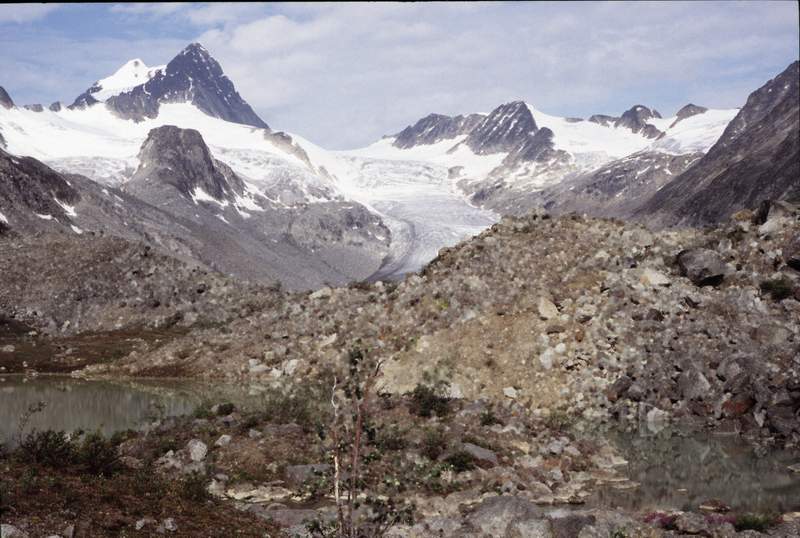

Definition and measurement
Topographic prominence is the vertical distance between a summit and the lowest contour line encircling it and no higher summit; that lowest point is the key col. Measuring prominence requires reliable elevation data, topographic maps and, increasingly, digital elevation models. For a technical introduction see topographic prominence, and for general mountain terminology consult broader mountain resources at mountain definitions and guides.
Geographic distribution
Canada's Ultras are concentrated in the western Cordillera — British Columbia and Yukon are particularly rich in high-prominence peaks — with additional examples in the far north and along coastal ranges. Eastern Canada has far fewer Ultras; the Torngat Mountains and some Arctic ranges include isolated high-prominence summits. The pattern reflects tectonics, glacial carving and the depth of intervening cols that separate peaks.
Notable examples
- Mount Logan — Canada's highest peak and a dominant Ultra that rises far above surrounding terrain
- Mount Saint Elias — a massive coastal peak shared by the Alaska–Yukon region
- Mount Fairweather — notable for its coastal prominence and severe weather
- Mount Waddington — the highest mountain entirely within British Columbia
- Mount Robson — the highest peak of the Canadian Rockies and visually prominent
Uses and significance
Lists of Ultras are used by geographers, climbers, conservationists and land managers. For mountaineers, tracking Ultras is a peak-bagging objective that highlights isolated, dramatic summits. For scientists and planners, prominence informs watershed boundaries, landscape character studies and mapping priorities. Because data sources and elevation models improve over time, published counts and prominence values may be revised; consult current catalogues for the latest figures.
Finding the complete list and resources
Comprehensive sortable catalogues and interactive maps collect the 143 Canadian Ultras for reference. For a full tabulation and sortable presentation consult the dedicated compilation at the Canadian Ultras list. For global context and how Ultras are defined internationally see what constitutes an Ultra. Additional regional guides, climbing reports and mapping tools are available through mountain resource sites and topographic services (see mountain resources).
Questions and answers
Q: What is an Ultra in the context of mountains in Canada?
A: An Ultra is a mountain that has a topographic prominence of 1500 metres (4921 feet) or more in Canada.
Q: How many mountains in Canada qualify as Ultras?
A: There are 143 mountains in Canada that qualify as Ultras.
Q: Can the list of Ultras in Canada be sorted?
A: Yes, the list of Ultras in Canada is sort-able.
Q: What is the criterion for a mountain to be included in the list of Ultras in Canada?
A: For a mountain to be included in the list of Ultras in Canada, it has to have a topographic prominence of 1500 metres (4921 feet) or more.
Q: How can one access the list of Ultras in Canada?
A: The list of Ultras in Canada can be accessed online.
Q: Is the list of Ultras in Canada exhaustive?
A: The list of Ultras in Canada includes all the mountains that have a topographic prominence of 1500 metres (4921 feet) or more, hence it is exhaustive.
Q: What is the significance of having a mountain listed as an Ultra?
A: Having a mountain listed as an Ultra in Canada signifies that it is one of the highest mountains in the country with a significant level of topographic prominence.
Related articles
Author
AlegsaOnline.com Ultras of Canada: Mountains with 1,500 m or Greater Topographic Prominence Leandro Alegsa
URL: https://en.alegsaonline.com/art/125197