
List of the 53 Stations of the Tōkaidō
The 53 Stations of the Tōkaidō were official post-towns on the coastal route between Edo and Kyoto in the Edo period, providing lodging and services and inspiring art and travel culture.
Overview
The "53 Stations of the Tōkaidō" (東海道五十三次, Tōkaidō Gojūsan-tsugi) refers to the series of official post towns that lined the historic Tōkaidō, the principal coastal highway connecting Edo (the seat of government) with Kyoto. The road began at Nihonbashi in Edo and terminated at Sanjō Ōhashi in Kyoto; along the way 53 shukuba (post stations) served travelers, messengers and officials. In modern geography the starting area is now part of Tokyo, while the route traverses several present-day prefectures.
Image gallery
9 Images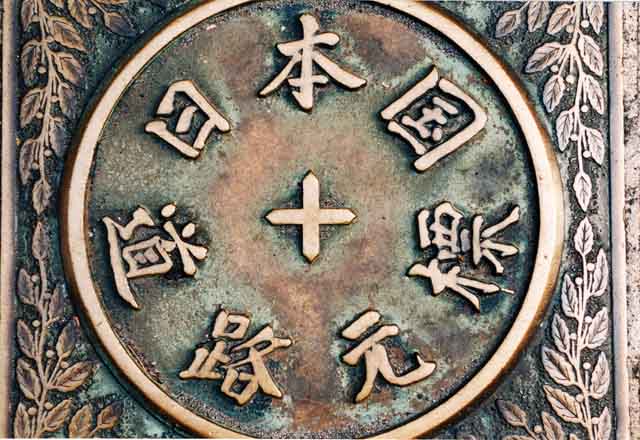





Function and characteristics
Each station existed to support overland travel. Typical facilities included honjin (principal inns reserved for high-ranking officials), waki-honjin (secondary inns), and hatago (lodgings for ordinary travelers). Stations also provided stables, courier services, shops and teahouses. The spacing of stations reflected terrain and daily travel distances, with more frequent stops in populated coastal plains and fewer in mountainous stretches.
History and cultural impact
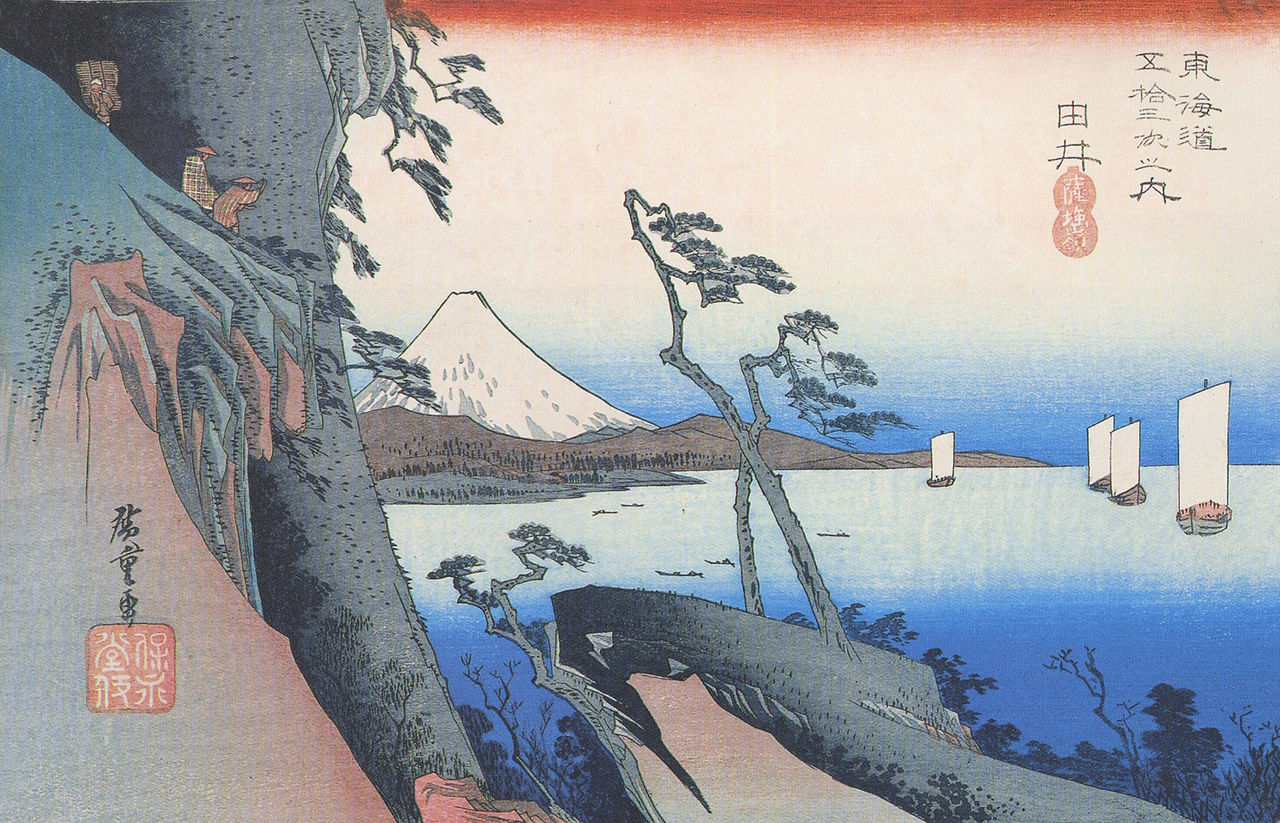
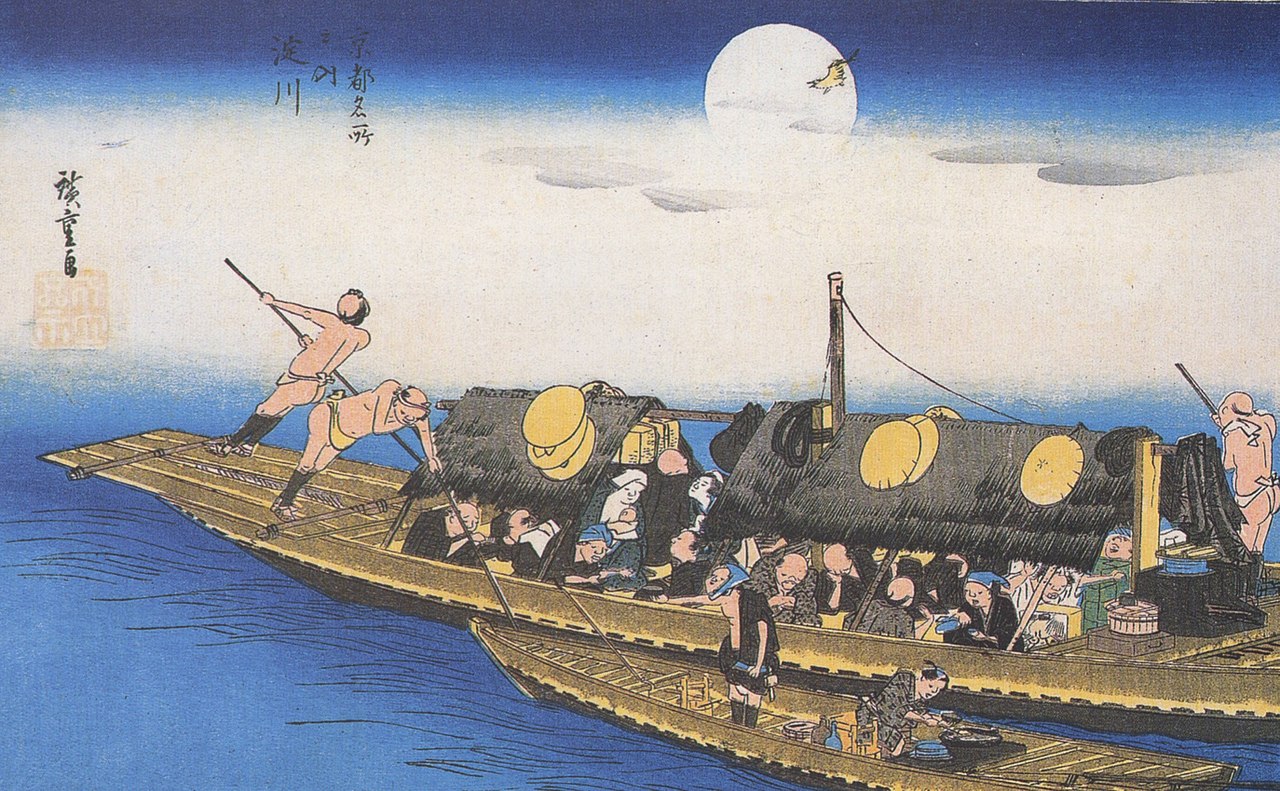
The Tōkaidō achieved institutional form under the Tokugawa shogunate as one of the Five Routes (Gokaidō) used to regulate movement and communication. It became central to the sankin-kōtai system that required daimyō to travel to Edo, stimulating a steady flow of traffic. The stations and their scenery entered popular culture through travel diaries, guidebooks and especially woodblock prints—most famously Utagawa Hiroshige's series depicting scenes at the fifty-three stations, which shaped later perceptions of the route.
Modern legacy and preservation
Today many parts of the historic route are followed by highways and railways, and numerous former post towns preserve buildings, monuments and museum collections. Some stations have been restored as tourist attractions that interpret Edo-period travel, while others have evolved into suburbs or city districts. Scholars and enthusiasts study the stations to understand transportation, commerce and daily life in early modern Japan.
Notable stations and distinctions
While there are 53 official post towns, some are more frequently cited in literature and art: Nihonbashi (the traditional starting point), Shinagawa (an early Tokyo suburb), Odawara and Hakone (noted for difficult mountain passages), Mishima and Numazu (important coastal stops), and Sanjō Ōhashi in Kyoto. The Tōkaidō is distinct from inland routes such as the Nakasendō (which had sixty-nine stations); together they formed the transportation spine of Edo-period Japan.
Further reading
- Historic travel guides and contemporary studies of the shukuba system.
- Art histories focused on Hiroshige and other ukiyo-e depictions of the Tōkaidō.
- Local preservation projects and museum collections that interpret individual stations.
Questions and answers
Q: What is the List of the 53 Stations of the Tōkaidō?
A: The List of the 53 Stations of the Tōkaidō covers the rest areas along the Tōkaidō, which was a coastal route that ran from Edo (modern-day Tokyo) to Kyoto.
Q: How many stations are on the List of the 53 Stations of the Tōkaidō?
A: The List of the 53 Stations of the Tōkaidō has 53 stations.
Q: What was the Tōkaidō?
A: The Tōkaidō was a coastal route that ran from Edo (modern-day Tokyo) to Kyoto.
Q: Why were rest areas important along the Tōkaidō?
A: Rest areas were important along the Tōkaidō because the journey from Edo to Kyoto was a long one, and travelers needed places to rest.
Q: What was the purpose of the List of the 53 Stations of the Tōkaidō?
A: The purpose of the List of the 53 Stations of the Tōkaidō was to provide travelers with a guide to the rest areas along the Tōkaidō.
Q: What cities did the Tōkaidō run between?
A: The Tōkaidō ran between Edo (modern-day Tokyo) and Kyoto.
Q: What is the significance of the Tōkaidō?
A: The Tōkaidō was a significant route in feudal Japan because it connected the capital of Edo to the Imperial court in Kyoto. It was also an important trading route.
Related articles
Author
AlegsaOnline.com List of the 53 Stations of the Tōkaidō Leandro Alegsa
URL: https://en.alegsaonline.com/art/125180