
A Tale of Two Cities — novel by Charles Dickens
Charles Dickens's 1859 historical novel set in London and Paris during the French Revolution, exploring sacrifice, resurrection and social injustice through intertwined lives.
Overview
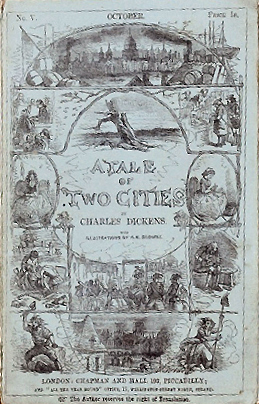
A Tale of Two Cities is a historical novel by Charles Dickens first published in 1859. Its well-known opening—"It was the best of times, it was the worst of times..."—introduces a narrative that alternates between London and Paris and examines the social upheavals of the late 18th century. The book is often described as both a study of personal redemption and a portrait of political violence.
Image gallery
8 Images





Setting and structure
The story takes place primarily in France and England during the years surrounding the French Revolution. Dickens employs a dual-city framework to contrast legal restraint and revolutionary excess, urban calm and eruptive fury. The novel is divided into three long books and moves between domestic scenes in London and increasingly tense streets and prisons in Paris.
Main characters
- Charles Darnay — a French aristocrat who rejects his family's oppressive legacy.
- Sydney Carton — an English lawyer whose wasted life finds meaning through sacrifice.
- Lucie Manette — the compassionate center of the story around whom loyalties form.
- Dr. Alexandre Manette — Lucie's father, a former Bastille prisoner whose fragile recovery is central to the plot.
- Other figures include revolutionary leaders and loyal friends who shape the personal and political conflicts.
Themes and notable features
- Resurrection: repeated images of rebirth and restoration pervade character arcs.
- Sacrifice: personal self-giving versus collective violence is a key moral tension.
- Duality: doubles and parallels—two cities, doubled characters, mirrored fates—structure the narrative.
- Social critique: Dickens examines injustice, economic desperation, and how political anger can turn to terror.
History, publication and context
The novel was serialized in Dickens's weekly periodical before appearing in book form in 1859. Unlike many of his works set in contemporary England, this book engages directly with a major historical event and is commonly regarded as one of Dickens's most ambitious experiments in blending fiction with historical narrative. Its vivid depictions of revolutionary Paris reflect Victorian anxieties about class conflict and the consequences of social neglect.
Legacy and adaptations
A Tale of Two Cities has remained in print and has been adapted for stage, film and television numerous times. Its closing meditation—"It is a far, far better rest that I go to..."—and the image of sacrificial heroism continue to be quoted and debated. For readers seeking a concise introduction to the novel, see a modern edition or an annotated guide to the text and to Dickens's life and career as an author of both social fiction and historical drama. Further information about editions and commentary is available in bibliographies and study resources on the novel here.
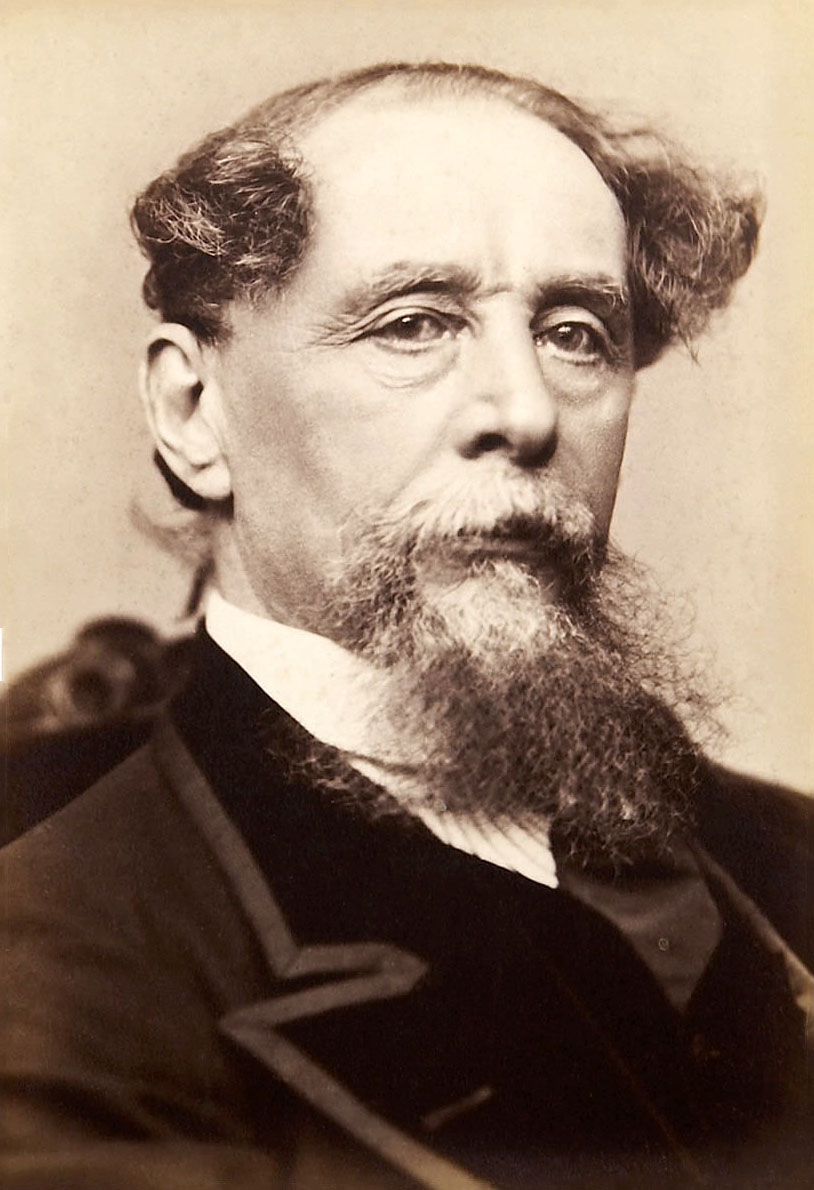
For background on the Revolution itself and its broader consequences, consult standard histories and summaries of the French Revolution. For discussions of Dickens's biography and bibliography, see resources linked to the author Charles Dickens and general literature guides focusing on 19th-century Britain and cross-Channel relations between England and France.
Tags
Related articles
Author
AlegsaOnline.com A Tale of Two Cities — novel by Charles Dickens Leandro Alegsa
URL: https://en.alegsaonline.com/art/125