
List of mayors of Paris: role, history and notable incumbents
Overview of the office of the Mayor of Paris, its powers, historical development, and a concise list of notable holders from the Revolution to the modern era.
Overview
The Mayor of Paris (French: maire de Paris) is the principal elected official responsible for the municipal administration of Paris. Often described as the city's chief executive, the office works with the Paris City Council and coordinates municipal services, urban planning and local policy within the framework set by the national government of France. The municipal head also takes part in enforcing local regulations and preparing the city budget in consultation with elected councillors and administrative departments.
Image gallery
10 Images



Role and powers
The mayor directs the municipal administration, presides over the council's deliberations and signs the city's regulatory acts. Daily responsibilities include overseeing public works, schools at the municipal level, local social services, cultural programs and some aspects of traffic and parking. National authorities retain important competencies—most notably public order, which in Paris involves the Prefect and the Prefect of Police—so the mayor's powers exist in a shared institutional context. The office operates through a team of deputy mayors and specialized municipal departments.
History and evolution
The governance of Paris has changed repeatedly. In the revolutionary period a modern municipal mayor was established, with early revolutionary leaders serving as city heads. After episodes such as the Paris Commune in 1871, central governments curtailed municipal autonomy and the formal office of mayor was suppressed for long stretches; the city was administered instead via prefects and council structures. The specific office of Mayor of Paris in its contemporary form was restored in the late 20th century, marking a return to local democratic leadership for the capital.
Election, term and municipal structure
Today the mayor is chosen by the Paris City Council, which itself is elected by universal suffrage in municipal elections held at regular intervals. Councilors represent the city's twenty arrondissements and form political groups; the council then elects the mayor from among its members. The mayor's term aligns with the council term and is renewable. Practical governance relies on a network of deputy mayors and arrondissement councils handling neighborhood-level matters.
Notable mayors and periods
Rather than an exhaustive roll, the following list highlights figures often mentioned in histories of Parisian municipal government:
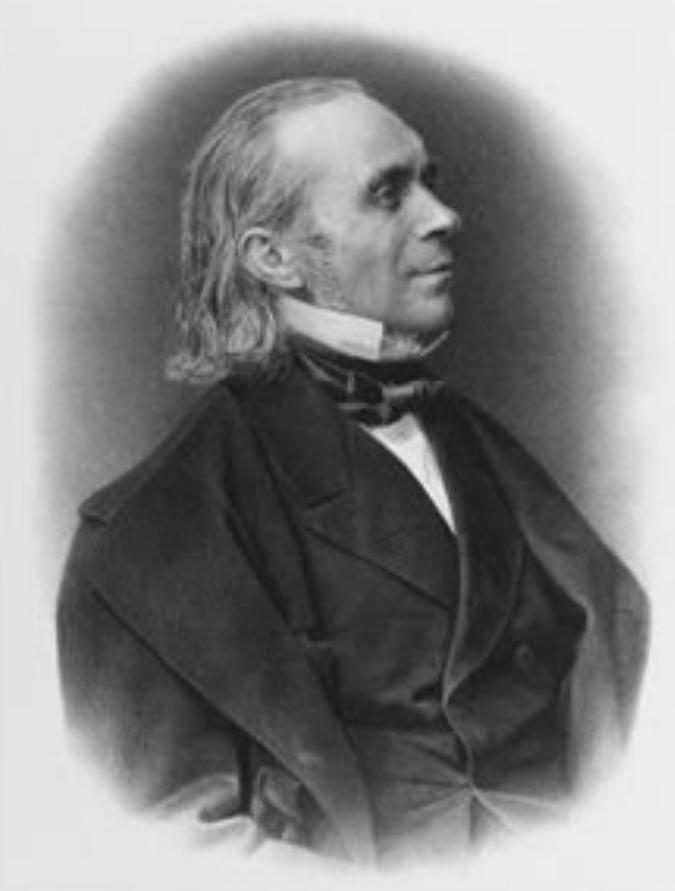
- Jean-Sylvain Bailly — an early revolutionary mayor who led the city in the years around 1789 and symbolized the municipal role during the Revolution.
- Leaders of the Paris Commune (1871) — a short-lived radical municipal government whose suppression led to a long period without a mayor.
- Jacques Chirac — appointed as the first mayor after the office's modern restoration in 1977; later served as Prime Minister and President of France.
- Jean Tiberi — succeeded Chirac and served in the 1990s, representing a period of municipal continuity.
- Bertrand Delanoë — elected in 2001, known for policy initiatives on transport and public space.
- Anne Hidalgo — first woman to hold the office, elected in 2014 and re-elected thereafter, notable for initiatives on climate, pedestrianization and social housing.
Distinctive facts and significance
The mayoralty of Paris has outsized national visibility because Paris is France's political, cultural and economic center. Changes to how the city is governed often reflect broader debates about centralization versus local autonomy in France. The office combines ceremonial, managerial and political roles, and its occupants frequently influence national politics. For readers seeking official or archival sources, consult municipal records and specialized institutional histories for complete lists and biographies.
Further details on the office and terminology can be found through dedicated resources on municipal government: for the French title see maire de Paris, for institutional descriptions see the mayoral functions, for geographic context see Paris, and for national governance context see France.
Related articles
Author
AlegsaOnline.com List of mayors of Paris: role, history and notable incumbents Leandro Alegsa
URL: https://en.alegsaonline.com/art/124818