
List of municipalities in Nova Scotia
Overview of Nova Scotia's 50 municipalities: classification, governance, coverage, roles, history, and how to read a municipal list for the province.
Nova Scotia is one of Canada’s provinces and is home to a structured system of local governments commonly referred to as municipalities. The province contains 50 incorporated municipal units that together occupy nearly the entire land area and population of the province: according to the 2016 Census they covered about 99.8% of Nova Scotia’s territory and were home to roughly 98.9% of its residents. The municipal landscape includes large urban conglomerations as well as small rural districts and local service communities. For background on the province see Nova Scotia and more general provincial context at the province.
Image gallery
7 Images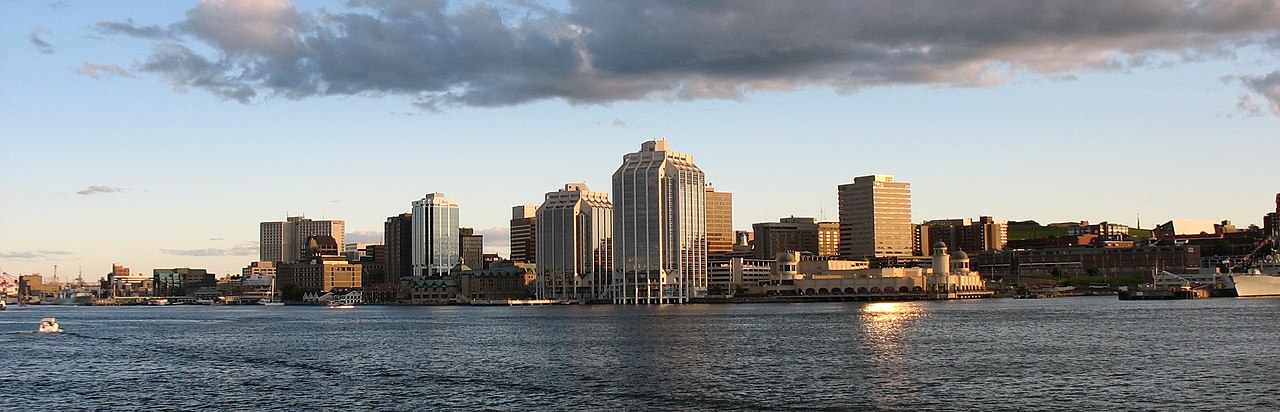


Types and organization
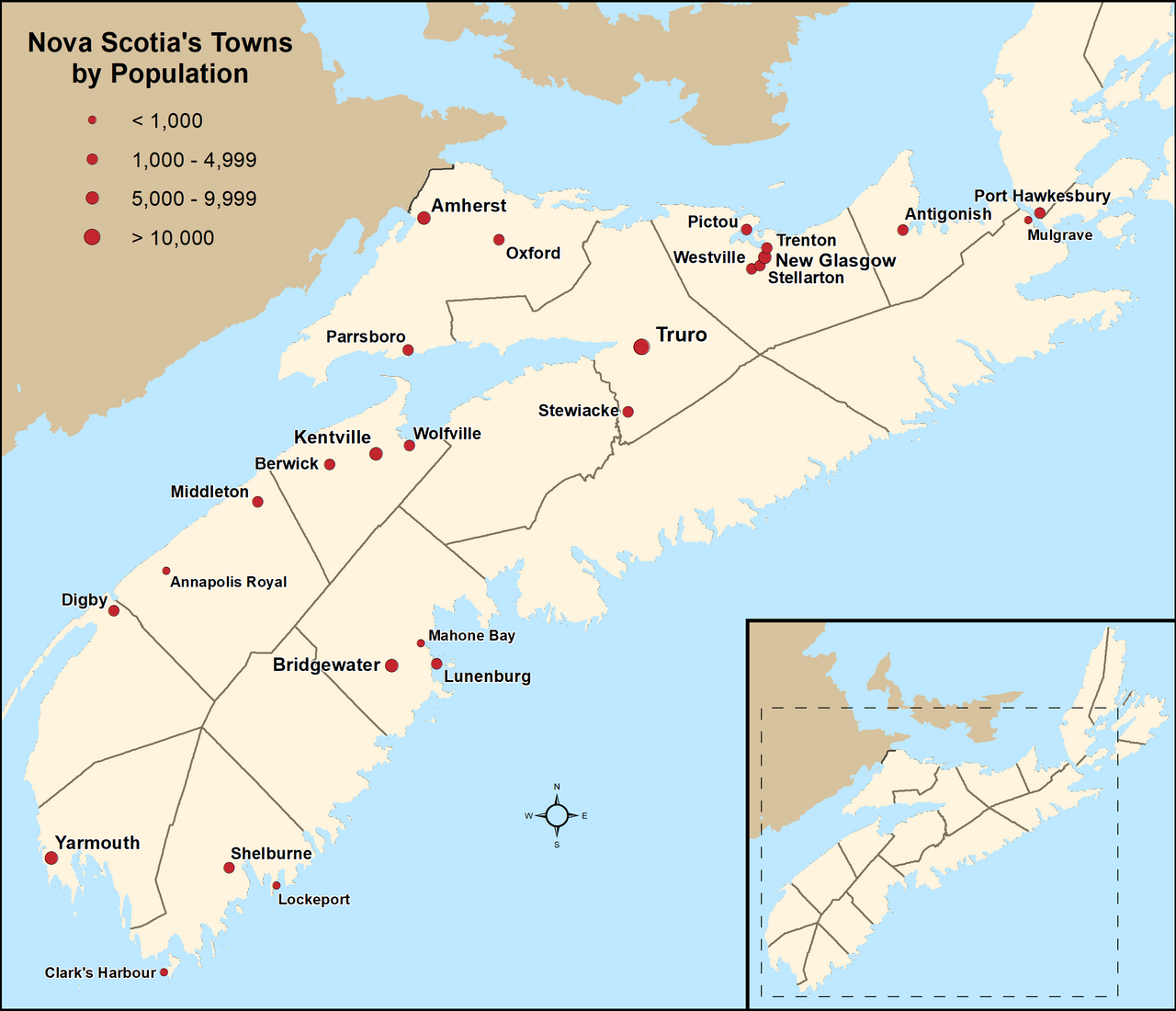
Municipalities in Nova Scotia are organized into a small set of legal classifications that reflect size, governance model and the services they deliver. Common categories are:
- Regional municipalities — large amalgamated urban–rural entities that combine multiple former municipalities under a single council;
- Towns — smaller incorporated urban centres with their own elected councils and a narrower range of services;
- County and district (or municipal) units — predominantly rural municipalities covering wider geographic areas, often referred to by the names of the county or district they serve;
- Villages — locally incorporated service areas within a larger municipality that provide a limited set of services to a defined community.
Provincial legislation (the Municipal Government Act and related statutes) sets out the powers, responsibilities and procedures for incorporation, elections and financial management. Each municipal council typically includes an elected mayor or warden and councillors; administrative staff implement council decisions and manage day-to-day operations.
History and development
The current municipal map reflects more than a century of local government evolution and several waves of reform. Over time, small town and county governments have been created, modified and occasionally amalgamated to improve service delivery, reduce duplication and respond to shifting population patterns. Notable restructuring in the late 20th century produced larger regional municipalities in some areas, bringing urban centres and surrounding rural districts under single administrations.
Functions and services
Municipalities provide many of the local services residents use daily. Typical responsibilities include local roads and infrastructure maintenance, water and sewer systems, land-use planning and zoning, local parks and recreation, solid-waste collection and local economic development. In larger municipalities there are also municipal police forces, transit systems and more complex planning and social-service programs; in rural municipalities some services are contracted provincially or shared across neighbouring units.
Using and interpreting the list
A formal list of municipalities in Nova Scotia is usually organized by legal type and includes for each entry the incorporated name, classification (regional municipality, town, county/district), the municipal seat or administrative centre, and key statistics such as population and land area reported by Statistics Canada. Such lists are useful for researchers, planners and citizens seeking to compare size, governance and service responsibilities. For an official directory or aggregated data on the province’s local governments see a central municipal listing of municipalities.
Notable points and distinctions
While the number of incorporated municipalities is relatively small, the diversity within that set is large: the provincial capital and largest municipality contains an extensive urban core and many suburban and rural communities, while numerous towns and district municipalities serve sparsely populated coastal and inland regions. Many communities that appear as distinct places to residents may not be separate municipalities for legal or census purposes; some are villages, neighbourhoods or unincorporated communities contained within a broader municipal unit. Understanding these distinctions helps when using municipal lists for policy, navigation, research or civic engagement.
Questions and answers
Q: What is the population of Nova Scotia?
A: As of the 2016 Census of Population, Nova Scotia has 923,598 residents.
Q: How much land area does Nova Scotia have?
A: Nova Scotia has a land area of 52,942 km2 (20,441 sq mi).
Q: What percentage of the territory's land mass is covered by its 50 municipalities?
A: The 50 municipalities in Nova Scotia cover 99.8% of the territory's land mass.
Q: What percentage of the province's population lives in these municipalities?
A: 98.9% of Nova Scotia's population lives in its 50 municipalities.
Q: Is Nova Scotia the most populous province in Canada?
A: No, it is not; it is actually the seventh-most populous province in Canada.
Q: Is it also one of the smallest provinces in terms of land area?
A: Yes, it is; it is actually the second-smallest province in terms of land area.
Related articles
Author
AlegsaOnline.com List of municipalities in Nova Scotia Leandro Alegsa
URL: https://en.alegsaonline.com/art/124845
Sources
- www12.statcan.gc.ca : "Population and dwelling counts, for Canada, provinces and territories, 2016 and 2011 censuses – 100% data"
- www12.statcan.gc.ca : "Population and dwelling counts, for Canada, provinces and territories, and census subdivisions (municipalities), 2016 and 2011 censuses – 100% data (Nova Scotia)"
- novascotia.ca : "Municipal Incorporation Timeline"
- town.shelburne.ns.ca : "Shelburne's History: Settlement of Shelburne"