
Settlements of Massachusetts: cities, towns, villages and neighborhoods
Overview of Massachusetts settlements: how municipalities are classified, historical background, practical uses, and notable distinctions. Includes guidance on organization and where to find alphabetic lists.
Massachusetts comprises a large number of distinct settlements ranging from formally incorporated cities and towns to informal villages and neighborhoods. In common use the word "settlement" can mean an incorporated municipality with legal powers, or an unincorporated place recognized by residents, postal services, or historical usage. Alphabetical compilations are a practical way to navigate these names.
Image gallery
2 Images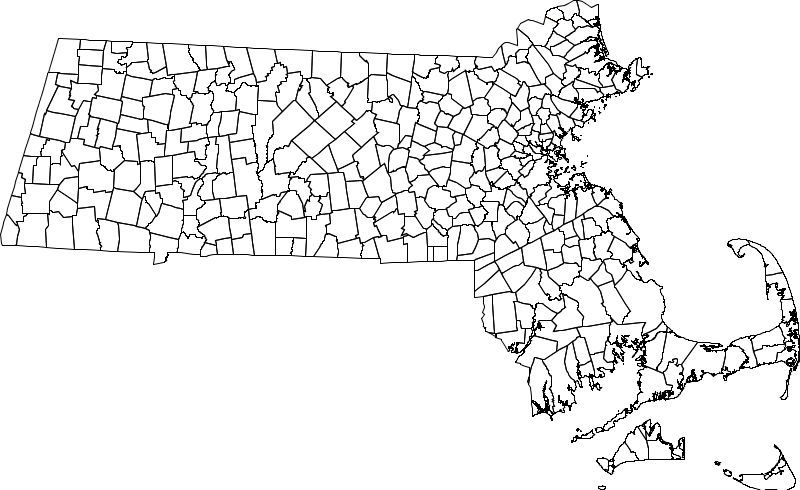
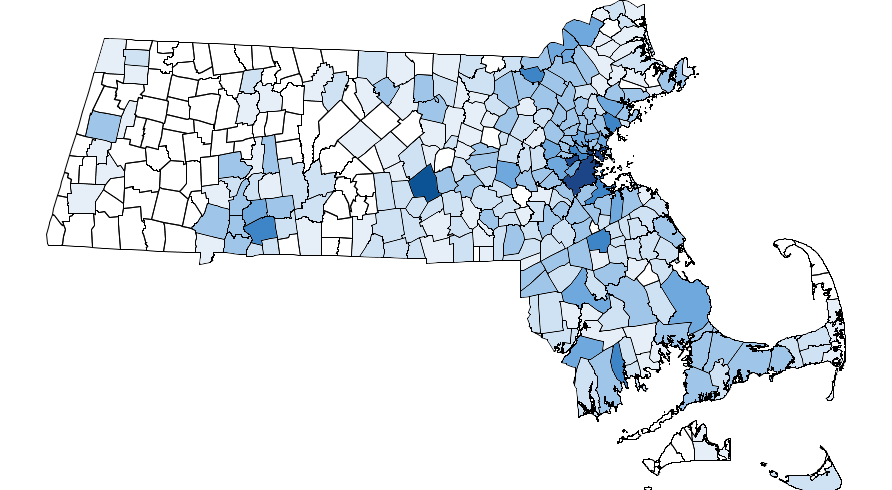
Organization and classification
Officially, the state's local governments are organized as municipalities. Two primary municipal types are recognized: cities and towns. Cities are generally governed under a city charter with a council and mayor or council-manager structure; many towns use the town meeting system or a representative town meeting combined with an elected board. Counties remain as geographic and judicial entities in many contexts, but day-to-day local government is carried out by municipalities.
Common categories
- Cities — incorporated municipalities that operate under a charter and provide municipal services.
- Towns — traditionally governed through town meetings or similar arrangements.
- Villages and neighborhoods — named places within municipalities that have no separate corporate status but are important for identity, mail delivery, and local history.
Historical background
The pattern of settlements in Massachusetts reflects Native American habitation followed by European colonial town founding. Many present-day town and city boundaries follow patterns set in the 17th and 18th centuries, when villages were laid out for agriculture, trade, and defense. Over time, population growth, industrialization, and suburbanization produced new neighborhoods and modified municipal governance.
Uses and practical importance
Lists of settlements serve several purposes: they support government administration, census reporting, emergency response, postal addressing, regional planning, and cultural research. Alphabetical lists, county groupings, and maps are common reference formats. For a comprehensive alphabetical listing and official names, consult state or municipal compilations such as the referenced directory: full list of settlements by letter.
Notable distinctions
One notable feature of Massachusetts local nomenclature is that a place's common name does not always indicate its governmental form. Some communities retain traditional or historical labels while their governing structures evolve. Villages and neighborhoods often retain strong local identity despite lacking separate municipal status.
For researchers, planners, and residents, an up-to-date alphabetical list is a useful starting point. Official and curated lists provide authoritative names and can be cross-referenced with postal, census, and county records: see an alphabetical directory.
Related articles
Author
AlegsaOnline.com Settlements of Massachusetts: cities, towns, villages and neighborhoods Leandro Alegsa
URL: https://en.alegsaonline.com/art/125138