
List of settlements in Belarus
Overview and context for the settlements of Belarus, including types, administrative organization, historical development, major regional centres, and how lists are compiled and used.
The list of settlements in Belarus comprises a range of inhabited localities from large cities to small villages. Settlements are the basic units of population and local government; they vary by size, legal status and role in administration. The capital and largest city is Minsk, followed by several regional centres that serve as cultural and economic hubs.
Image gallery
10 Images

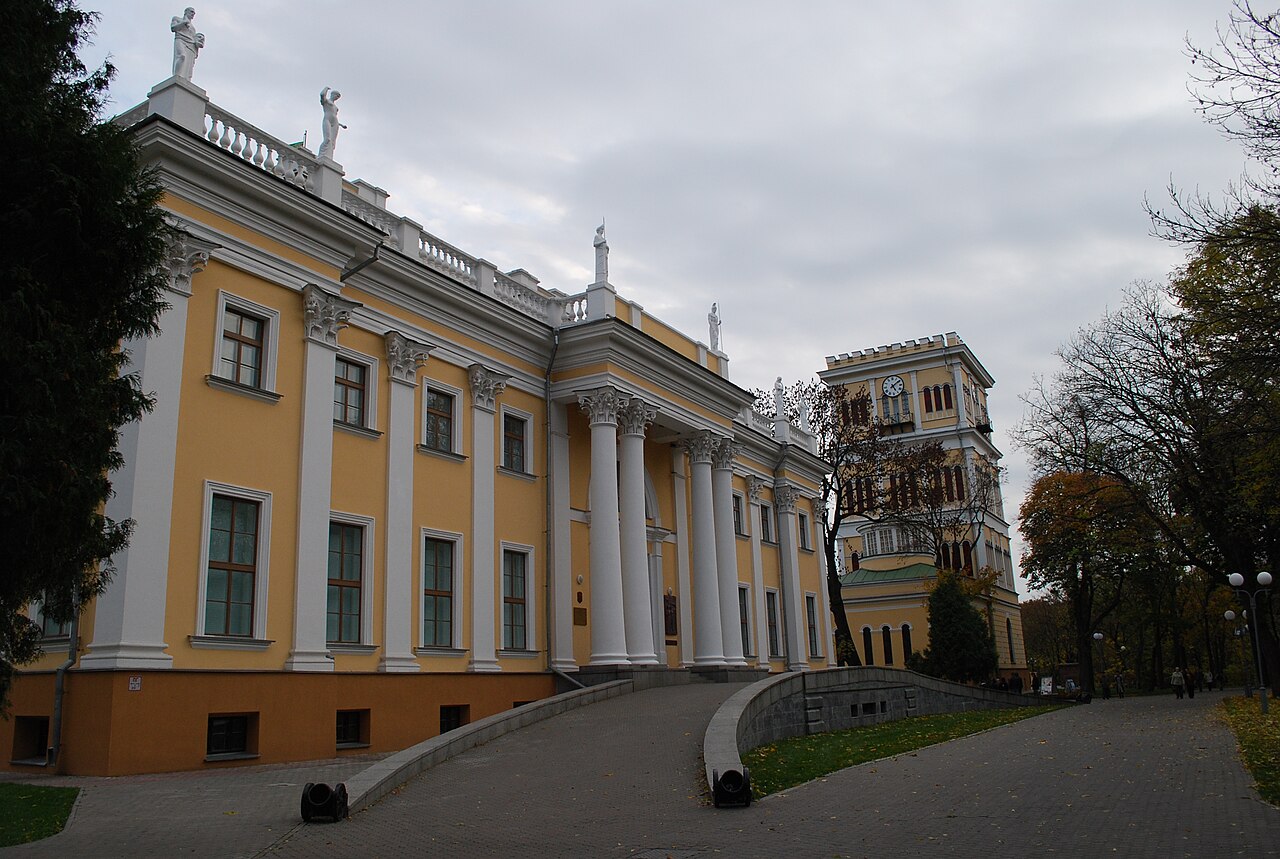


Types and administrative structure
Belarusian settlements are commonly categorized as cities, towns, urban-type settlements and rural villages. These categories reflect legal status and local infrastructure rather than only population size. The country is divided into administrative regions (oblasts) and districts (raions), and each settlement falls under that hierarchy for governance and statistical reporting.
Major regional centres
- Minsk — national capital and principal city.
- Gomel — important industrial and transport centre.
- Mogilev — regional administrative hub.
- Vitebsk — cultural centre in the north-east.
- Hrodna (Grodno) — historic city near the west.
- Brest — western border city with transport links.
These cities are commonly listed as primary urban settlements and often head their respective regions. A comprehensive register will also include numerous smaller towns, urban settlements that serve local industry or transport, and thousands of villages.
History and development
Belarusian settlement patterns reflect centuries of historical change: medieval trade routes, the administrative arrangements of the Polish–Lithuanian Commonwealth, industrialization and urbanization in the 19th and 20th centuries, and Soviet-era planning. After World War II and during the Soviet period, many towns grew around industry; some rural localities were reorganized into collective farms and later into agrotowns.
Modern lists of settlements are used for administration, postal services, planning and statistics. Official and scholarly compilations typically organize entries alphabetically, by region, or by legal status. For a full register and authoritative listing, consult national sources and databases such as the central compilation referenced here: official list of settlements. These resources provide names, administrative affiliations and often additional details about status and changes over time.
Related articles
Author
AlegsaOnline.com List of settlements in Belarus Leandro Alegsa
URL: https://en.alegsaonline.com/art/125132