
List of deserts by region
Organized overview of the world's deserts, their types, major examples by region, ecological roles, and human interactions. Includes classification and notable distinctions.
Overview
Deserts are regions that receive very little precipitation and have sparse vegetation. They occur on every continent except some island groups and range from hot sandy dunes to cold, rocky, or polar ice expanses. A "list of deserts" commonly groups these landscapes by region to reflect climatic, geographic, and ecological differences across the globe. For further indexed compilations see regional desert lists.
Image gallery
8 Images



Classification and characteristics
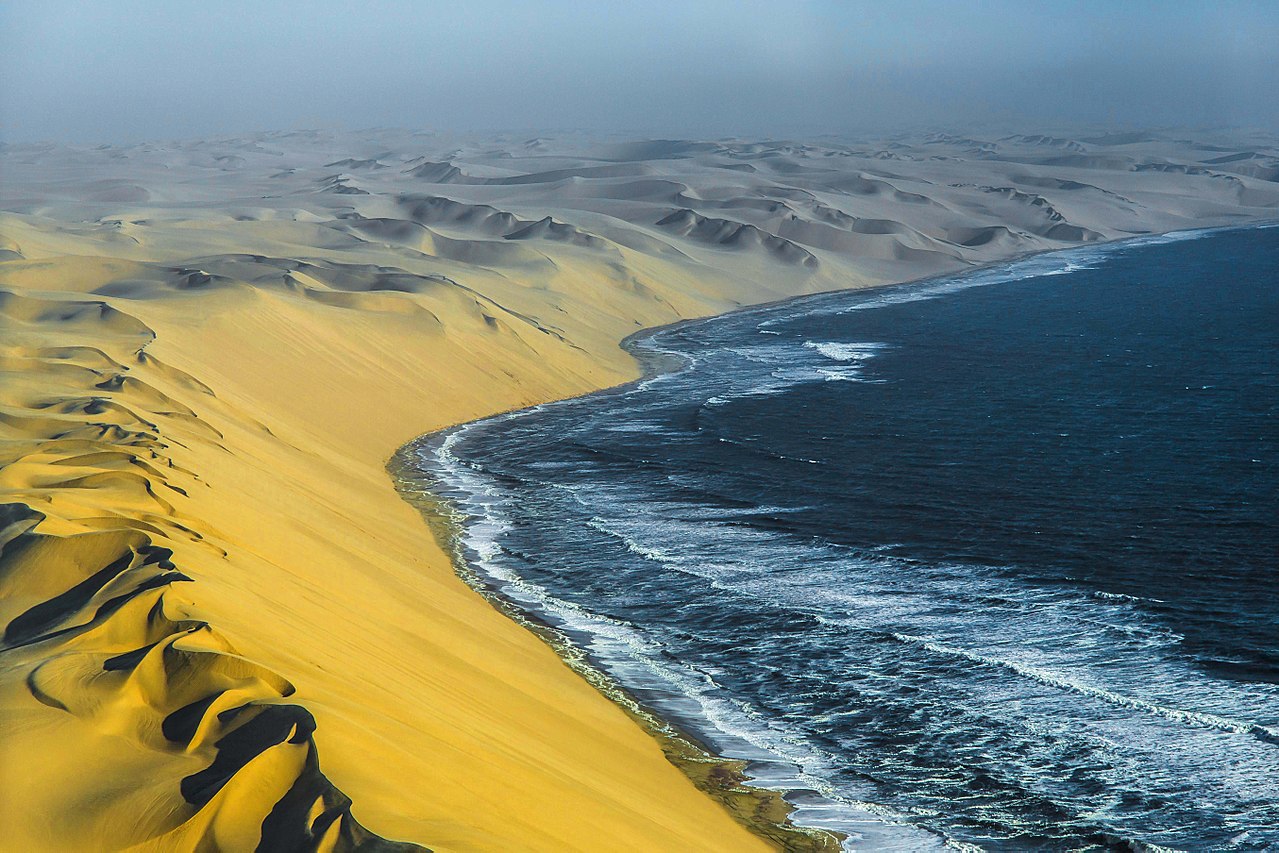
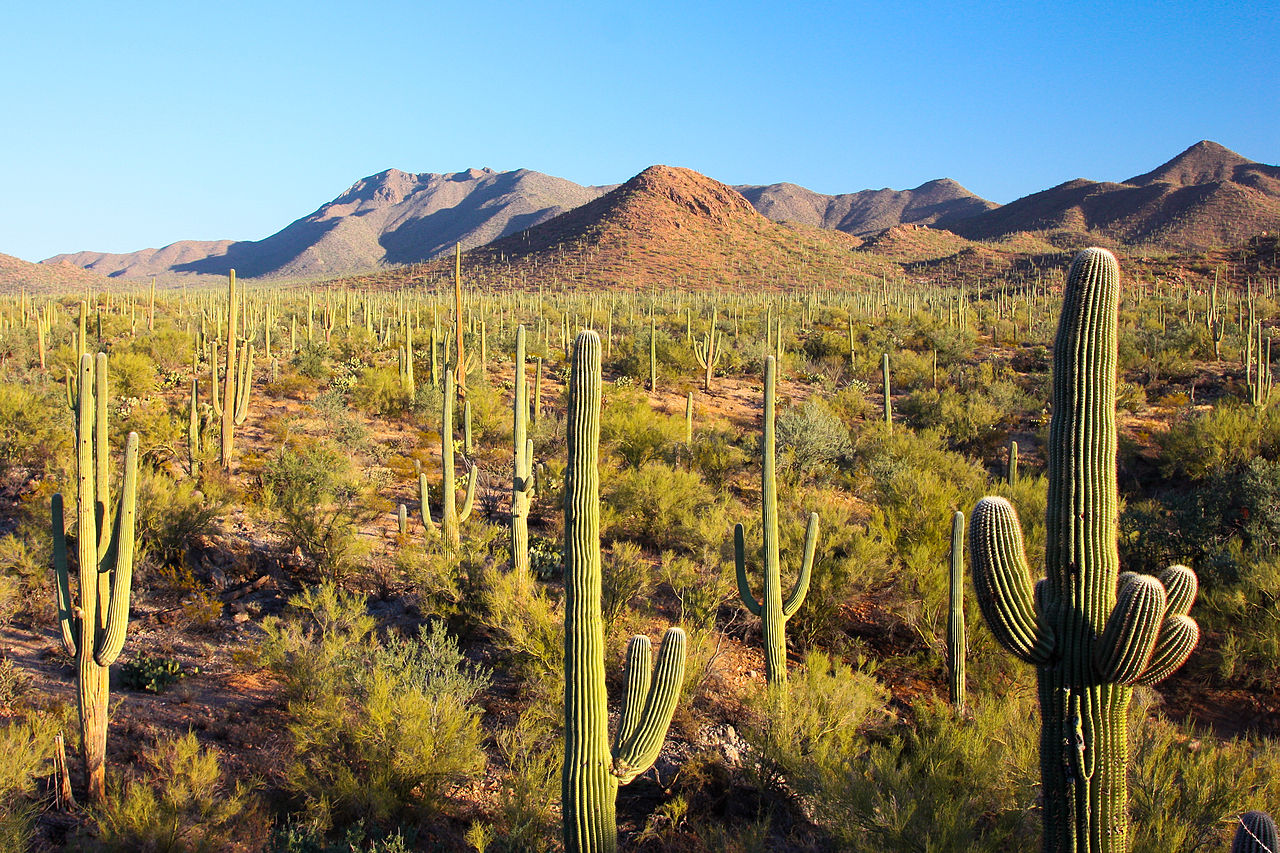
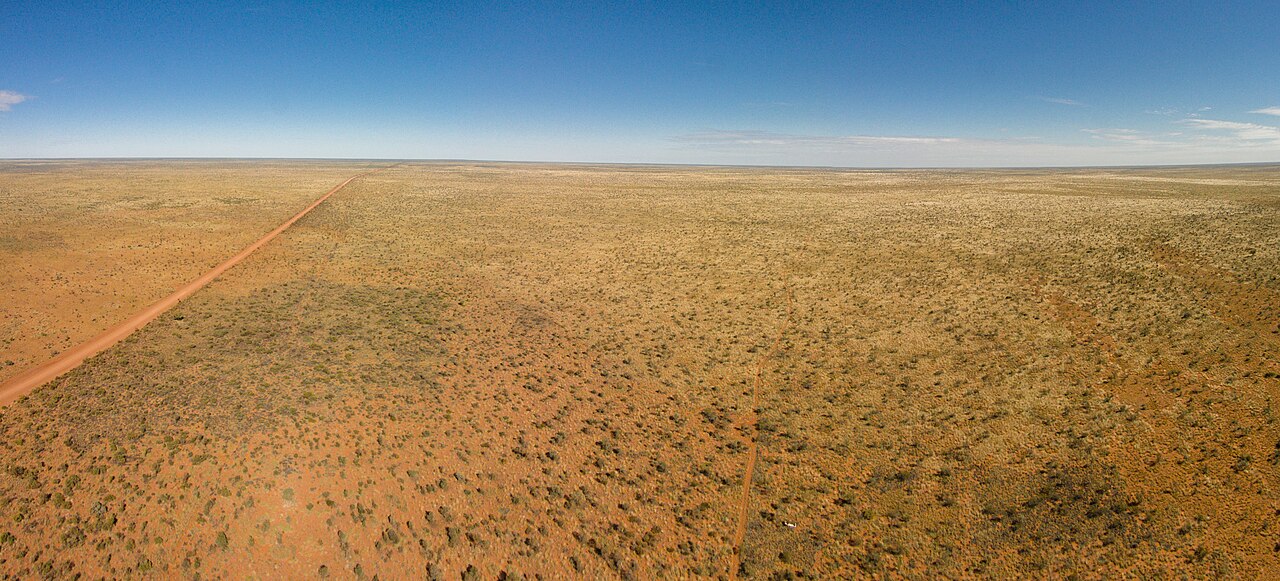
Deserts are often classified by climate and surface type: hot subtropical deserts, cold mid-latitude deserts, coastal deserts, and polar deserts. Typical features include low annual rainfall, high evaporation, sparse plant cover, specialized fauna, and soils with low organic content. Some deserts are dominated by sand dunes, while others have hard-packed gravel plains, salt pans, or exposed bedrock.
Major deserts by region
Below are representative deserts commonly cited in regional lists. This is not exhaustive but highlights notable examples and contrasts.
- Africa: Sahara, Libyan Desert, Namib, Kalahari.
- Asia: Arabian Desert, Gobi, Thar, Karakum, Taklamakan.
- Australia and Oceania: Great Victoria, Great Sandy, Simpson, Gibson.
- North America: Mojave, Sonoran, Chihuahuan, Great Basin.
- South America: Atacama, Patagonian cold desert, Monte Desert.
- Antarctica: Antarctic polar desert and peripheral ice deserts.
Human uses and ecological importance
Deserts support unique plant and animal communities adapted to water scarcity. They are important for paleoclimate records, solar and mineral resources, and cultural heritage of indigenous peoples. Human activities include grazing, mining, tourism, and scientific research; some deserts have long histories of trade routes and settlement in oases and river valleys.
Conservation and notable distinctions
Desert ecosystems are sensitive to disturbance: overgrazing, groundwater depletion, off-road vehicles, and climate change can cause long-term degradation. Distinctions often used in lists include "hot vs. cold" deserts, coastal deserts influenced by cold ocean currents, and polar deserts where low temperatures limit evaporation and life. Regional lists help compare size, climate, and biota across these varied landscapes.
Related articles
Author
AlegsaOnline.com List of deserts by region Leandro Alegsa
URL: https://en.alegsaonline.com/art/124661
Sources
- answers.com : Oltenian Sahara
- panoramio.com : Deserts of the five continents
- geology.com : "Largest desert in the world"