
List of cities in Jordan: overview, major urban centres and data sources
An organized guide to Jordan’s cities, explaining how lists are compiled, naming conventions, major urban centres, administrative context, population trends and data sources (censuses for 1994, 2004 and 2015).
Overview
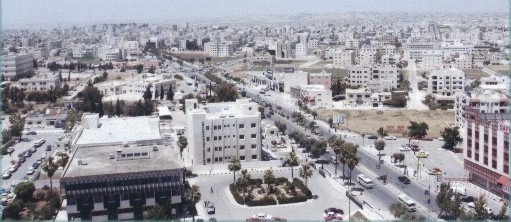
Jordan's urban landscape is concentrated in a handful of cities that serve as administrative, economic and cultural hubs. The capital, Amman, is by far the largest urban area and has long attracted migrants from rural areas and neighbouring states. Other notable cities include Irbid, Zarqa, Aqaba, Russeifa and Madaba. Lists of Jordanian cities commonly present names in both Latin letters and Arabic script and rank localities by population or administrative status.
Image gallery
6 Images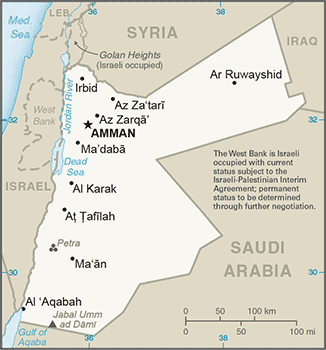


Criteria and sources
Standard lists typically include settlements classified as cities or municipalities that exceed a population threshold (often 30,000 inhabitants). National population figures come from decennial or periodic censuses; commonly referenced benchmarks are the censuses for 10 December 1994, October 2004 and the 2015 enumeration. For official counts and methodology, researchers refer to the national census publications and statistical agency releases (census 2004 summary, census series). Administrative affiliation by governorate is also recorded (governorate listings).
Major cities and their roles
- Amman – The political and economic centre; the largest metropolitan area in Jordan and home to a substantial proportion of the national population.
- Irbid – A principal city in the north, serving as a commercial and educational hub for surrounding districts.
- Zarqa – An industrial and residential city east of Amman with important manufacturing and transport connections.
- Aqaba – Jordan's only seaport and a growing tourism and logistics centre on the Red Sea coast.
- Russeifa, Madaba, Al-Karak, Mafraq – Regional centres with distinct historical, agricultural or transit functions.
Administrative context
Jordan is divided into governorates (muhafazat), each of which contains cities, towns and rural communities. In city lists the governorate column identifies administrative oversight and can explain regional patterns of growth. Municipal status, not only population size, affects local governance and service provision.
Urban growth and trends
Since the late 20th century Jordan has experienced significant urbanization. Amman’s metropolitan area expanded rapidly in the latter part of the 20th century and into the 21st, drawing nearly half of the country’s inhabitants into a single contiguous urban region at times. Regional factors—internal migration, economic centralization, and influxes of refugees—have influenced city populations unevenly, accelerating growth in some municipalities while others remain small or slowly growing.
Notes and further reading
Published city lists often present multiple census snapshots so readers can observe growth trends between 1994, 2004 and 2015. For authoritative figures and detailed tables consult the national statistical office releases and municipal records (census 2004 summary, census series, governorate listings).
Related articles
Author
AlegsaOnline.com List of cities in Jordan: overview, major urban centres and data sources Leandro Alegsa
URL: https://en.alegsaonline.com/art/124566