
List of cities in Nepal
An organized overview of urban places in Nepal, including classification, major cities, historical growth, roles and notable distinctions for readers and researchers.
Nepal is a Himalayan country with a network of urban centres that vary in size, function and history. This article surveys the principal cities of Nepal, explains how they are classified in the modern administrative system, and highlights their economic, cultural and geographic importance. Cities in Nepal range from the densely populated capital valley to smaller trade and service hubs near international borders.
Image gallery
4 Images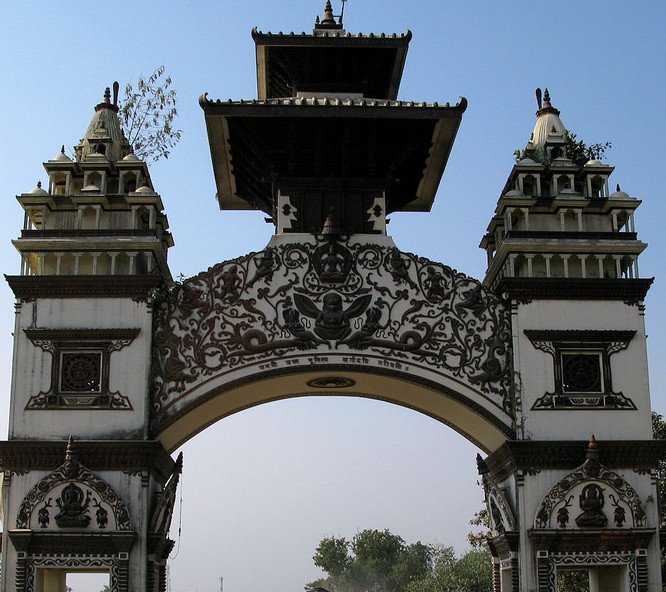


Administrative classification
Urban settlements in Nepal are organized into different categories, commonly described as metropolitan cities, sub‑metropolitan cities and municipalities. These categories reflect administrative status and local government structure rather than a single fixed population threshold. Municipalities are responsible for local planning, public services and development within their boundaries.
Major cities
- Kathmandu — the national capital and main administrative, cultural and economic centre of the country.
- Pokhara — a gateway for mountain tourism and an important regional service centre.
- Lalitpur (Patan) — adjacent to Kathmandu, noted for its historic arts and architecture.
- Biratnagar — an industrial and commercial hub in the eastern plains.
- Bharatpur — a growing urban centre in the central-south region.
- Birgunj — a major trade and transit point on the border with India.
- Nepalgunj, Butwal, Hetauda, Dhangadhi and Dharan — notable regional centres serving their districts and surrounding rural areas.
History and development
Many of Nepal's cities grew from historic market towns, royal capitals or strategic transit points. Kathmandu Valley has been an urbanised cultural heart for centuries, while Terai and highway cities expanded more recently with improvements in transport, trade and industry. Urban growth patterns are shaped by geography, migration from rural areas and the country’s economic transitions.
Functions and significance
Cities in Nepal perform diverse roles: administrative headquarters, education and health service providers, centres of commerce and manufacturing, and hubs for tourism and cultural preservation. Border cities often specialise in import‑export activities, while hill and mountain towns may focus on tourism, crafts and local trade.
Notable distinctions
When consulting lists of Nepalese cities, it is helpful to distinguish between statutory status (how a place is governed) and informal notions of urbanity (population density, economic activity). Official lists and maps are periodically updated, so prospective users should check the latest government publications or local municipal sources for current boundaries and classifications.
See also: administrative maps and municipal profiles for detailed information on each city and local government unit.
Related articles
Author
AlegsaOnline.com List of cities in Nepal Leandro Alegsa
URL: https://en.alegsaonline.com/art/124568