
List of cities in Texas
Overview and context for the cities of Texas, including how municipal classifications work, historical development, notable examples, and how such lists are used.
Overview
The term "cities in Texas" refers to incorporated municipalities and the larger populated places across the state of Texas. A comprehensive alphabetical list groups these places for reference, navigation, research, and administrative purposes. Such compilations can be found in official directories and public datasets; see a typical alphabetical compilation at a comprehensive alphabetical list.
Image gallery
10 Images

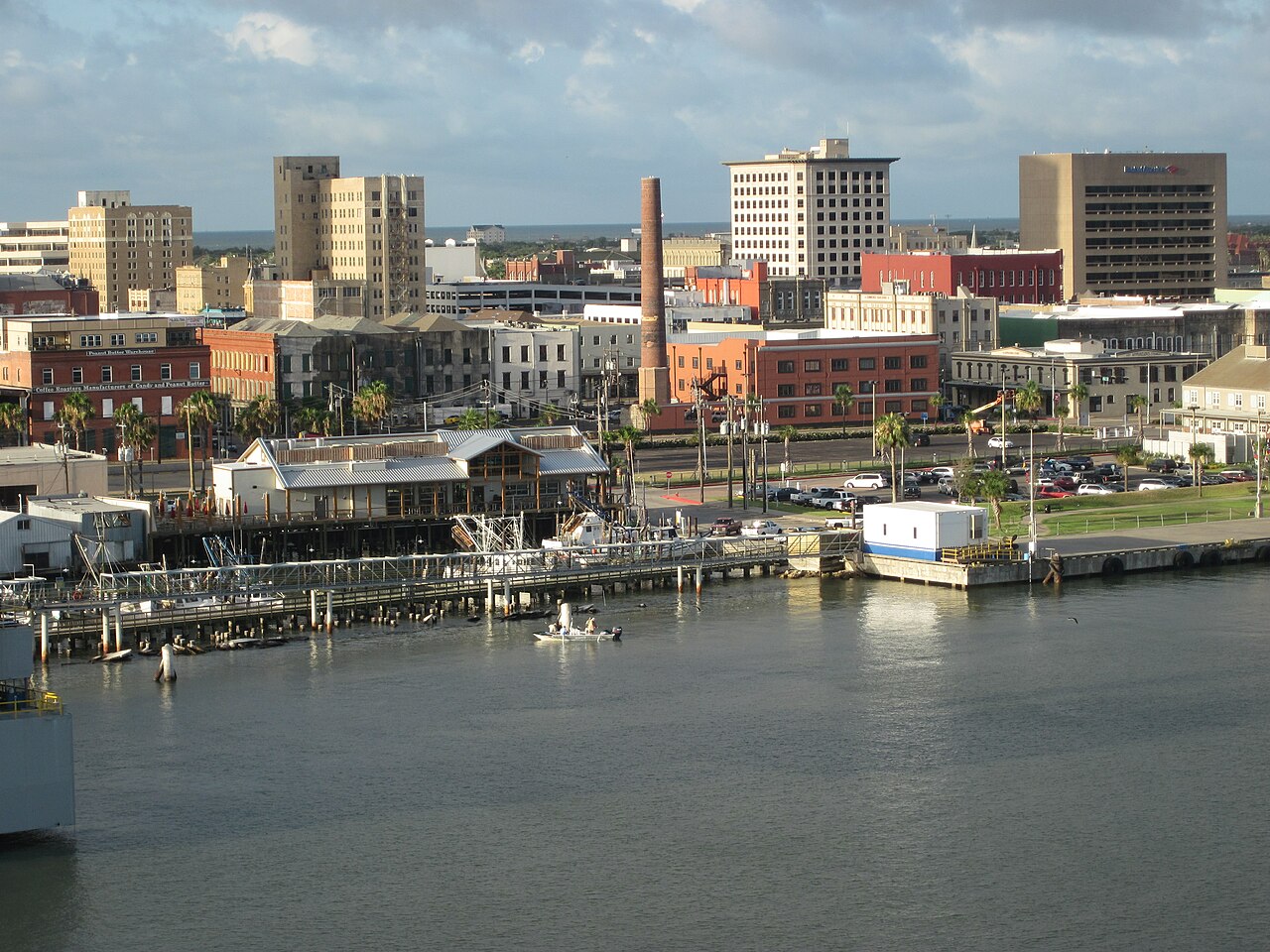


Characteristics and municipal organization
Towns and cities in Texas are created through incorporation and governed under state law. Municipalities generally operate either under home‑rule charters (for larger cities that adopt their own charter) or under general law (for smaller communities subject to state statutes). Cities may cross county lines, serve as county seats, and vary widely in population, area, and local government structure.
History and development
The urban landscape of Texas reflects Spanish and Mexican settlement, the period of the Republic of Texas, 19th‑century railroad expansion, oil booms, and 20th‑century suburban growth. Many city names preserve Indigenous, Spanish, Anglo, and immigrant heritage. Urban growth patterns have been shaped by economic drivers such as ports, ranching, industry, energy, and technology sectors.
Notable examples
Well‑known Texas cities appear frequently on lists and maps because of their size, economic role, or cultural importance. Examples often cited in alphabetical or ranked lists include:
- Houston
- San Antonio
- Dallas
- Austin
- Fort Worth
- El Paso
- Other cities such as Arlington, Corpus Christi, Plano, and Lubbock are commonly listed.
Uses and distinctions
Lists of cities in Texas serve multiple audiences: travelers, students, planners, policymakers, and businesses. They are used to compare demographics, plan services, and study regional development. Distinctions are important: an incorporated city differs from an unincorporated community or a census‑designated place, and federal datasets such as those produced by the United States Census complement state and local records maintained by the state government.
For further details, alphabetical indexes and searchable databases make it easier to locate a particular municipality by name, county, or region. When consulting lists, verify whether entries reflect current incorporation status and recent boundary changes.
Questions and answers
Q: How many cities are listed in the state of Texas?
A: The text doesn't provide a specific number, but it lists cities in alphabetical order from A to Z.
Q: Are the listed cities in Texas organized by letter?
A: Yes, the cities are organized alphabetically by letter from A to Z.
Q: Is this list of cities comprehensive and complete for the state of Texas?
A: The text doesn't provide any information about the comprehensiveness or completeness of the list.
Q: Does this list include both big and small cities in Texas?
A: The text doesn't provide any information about the size of the cities that are listed.
Q: Are there any notable cities on this list?
A: The text doesn't provide any information about what cities are included in the list.
Q: Can this list be used as a reference for planning a trip to Texas?
A: Yes, if someone is planning a trip to Texas and wants to explore different cities, this list can be used as a starting point.
Q: Is there any additional information provided about the cities on this list?
A: No, the text does not provide any additional information about the listed cities beyond their names.
Tags
Related articles
Author
AlegsaOnline.com List of cities in Texas Leandro Alegsa
URL: https://en.alegsaonline.com/art/124574