
List of cities in Serbia
Overview of Serbian cities and towns, how they are classified administratively, examples of major urban centers, historical context, and distinctions between cities, municipalities, and towns.
Serbia is home to a wide range of urban settlements, from the national capital to regional centers and small towns. The designation of a place as a "city" or a "town" is determined by administrative and legal criteria, not solely by population. Official compilations and registers maintained by state authorities list urban settlements and their status; an example reference is the official list of cities and towns.
Image gallery
10 Images

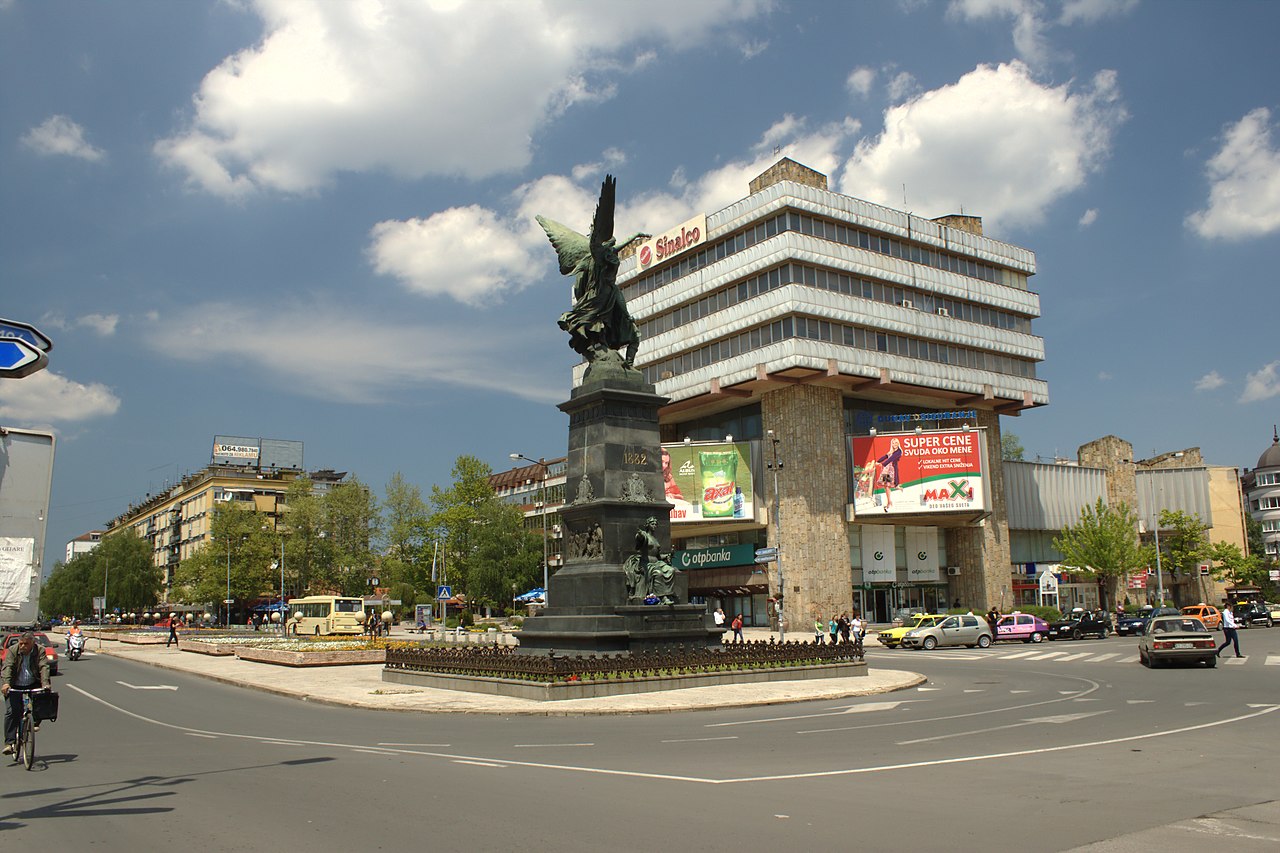


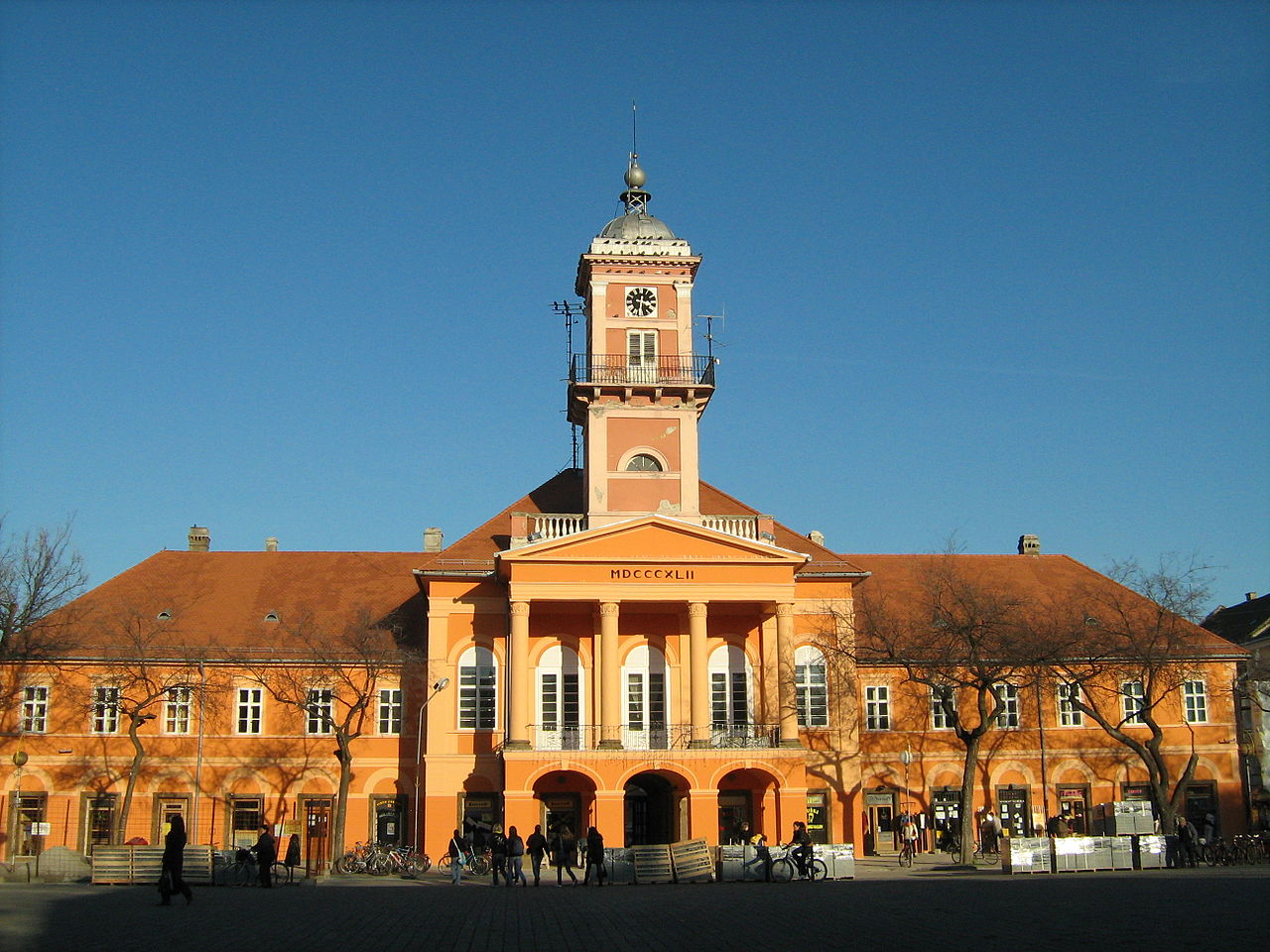


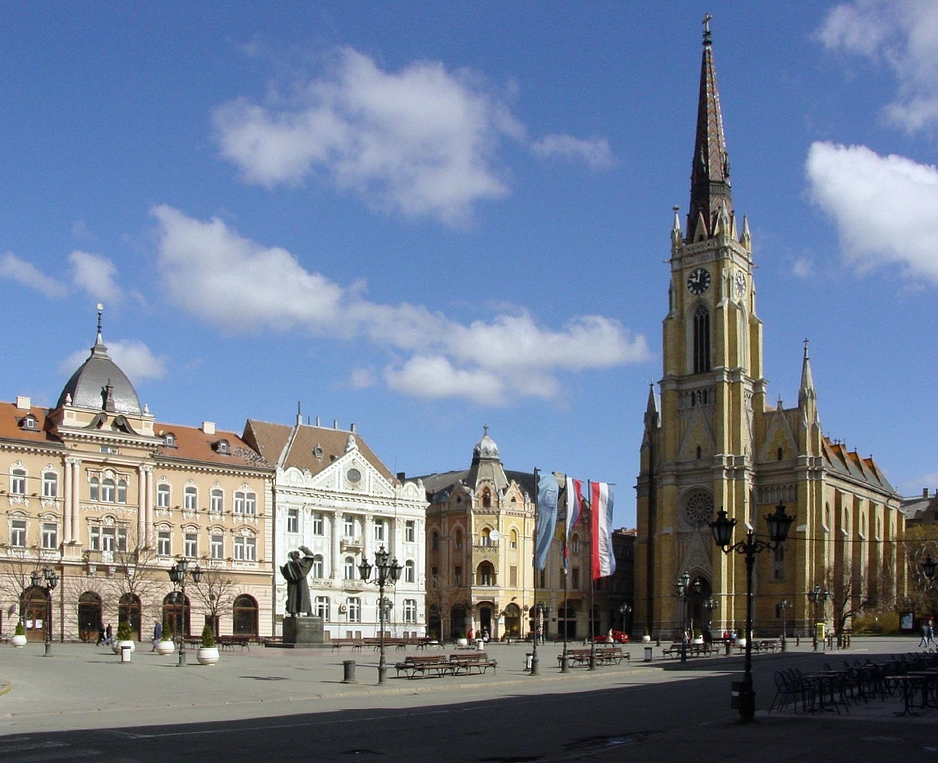
Administrative classification
In the Serbian system, local government units include cities (grad) and municipalities (opština). Some larger cities are further divided into city municipalities for local administration. City status is granted by national law and usually reflects a settlement's economic importance, governance structure, and provision of public services, as well as demographic factors.
Major cities and regional roles
Major urban centers serve as political, economic, cultural, and educational hubs. Notable examples include:
- Belgrade — the capital and principal metropolitan area, seat of national institutions.
- Novi Sad — an important cultural and university center in the north.
- Niš — a key city in the southern and southeastern regions with historical significance.
- Kragujevac — a central industrial and administrative city.
- Subotica — a multicultural city near the northern borders, with Austro-Hungarian architectural influences.
Other towns and regional centers provide local services, industry, and agriculture support, and they form the backbone of Serbia's urban network.
History and development
Serbian cities have diverse origins: some grew from medieval market towns and fortresses, others expanded significantly under Ottoman or Austro-Hungarian rule, and many developed industrial and educational roles in the 19th and 20th centuries. Urbanization accelerated in the post‑World War II period, shaping modern settlement patterns.
Understanding the list of cities in Serbia involves both geographic and legal perspectives: a settlement's name, population size, economic function, and its formal administrative status all matter. For authoritative and up-to-date lists consult official publications and statistical releases, such as the resource linked above (see official list).
Related articles
Author
AlegsaOnline.com List of cities in Serbia Leandro Alegsa
URL: https://en.alegsaonline.com/art/124572
Sources
- media.popis2011.stat.rs : "2011 Census of Population, Households and Dwellings in the Republic of Serbia – FIRST RESULTS" · web.archive.org