
List of cities in Sri Lanka
Overview and context for cities in Sri Lanka, including administrative categories, notable urban centres, historical development, and how lists are compiled (commonly using a 50,000+ population threshold).
The phrase "cities in Sri Lanka" refers to urban settlements that serve as commercial, administrative or cultural centres on the island nation. Compilations of Sri Lankan cities vary by purpose: some lists record settlements recognized by local government status (municipal, urban or rural councils), while others set a population threshold — commonly 50,000 inhabitants — to identify larger urban places. Definitions matter because a city's legal boundary can be far smaller than its metropolitan extent.
Image gallery
10 Images
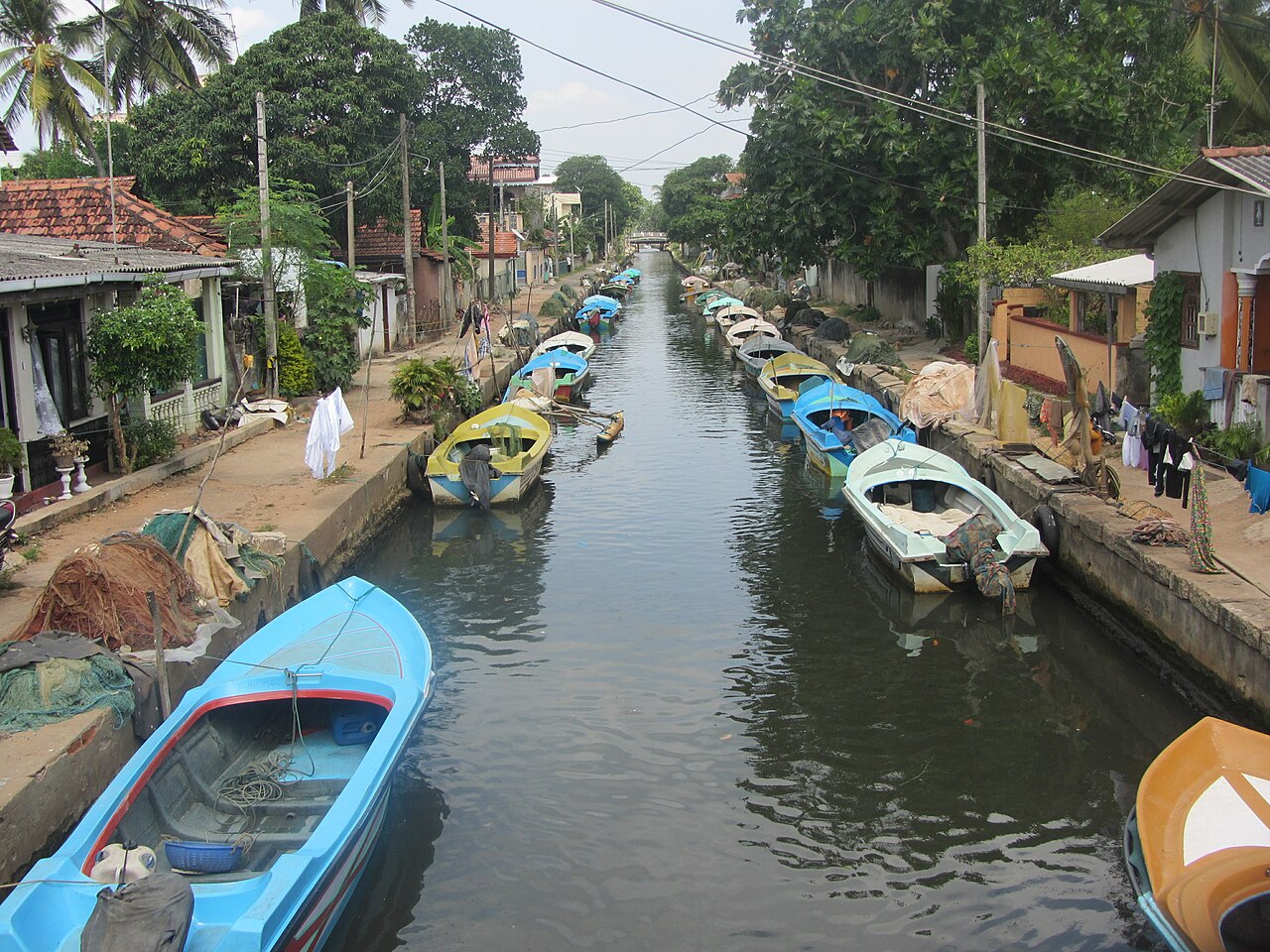


Administrative categories and characteristics
Sri Lanka's local government structure distinguishes Municipal Councils (for the largest urban areas), Urban Councils (for smaller towns) and Pradeshiya Sabhas (rural local bodies). Major cities typically contain municipal services, commercial districts, transport hubs and public institutions. Many cities are also provincial or district capitals and host courts, universities and hospitals that serve wider regions.
Major cities (representative)
- Colombo — the main commercial centre and largest urban area in practical terms.
- Sri Jayawardenepura Kotte — the official legislative capital.
- Kandy — central highlands city and cultural heart, known for the Temple of the Tooth.
- Galle — historic port with a fortified old town.
- Jaffna — principal city of the northern peninsula.
- Negombo, Trincomalee, Batticaloa, Anuradhapura, Polonnaruwa, Ratnapura, Matara, Kurunegala, Nuwara Eliya — other important urban centres with commercial, historical or regional roles.
History and urban development
Sri Lanka's urban network reflects centuries of history: ancient capitals such as Anuradhapura and Polonnaruwa were early administrative and religious hubs; coastal towns expanded under Portuguese, Dutch and British colonial rule as ports and fortifications; and the modern period has seen growth around Colombo and regional centres driven by trade, services and tourism.
Uses, distinctions and compiling lists
Lists of cities are useful for planning, tourism, research and governance. Important distinctions include city proper versus metropolitan area, statutory municipal status, and census-based population cutoffs. Some resources list only settlements exceeding 50,000 people, while others include smaller historic or administrative towns. For further reference and official listings, see local government registers and national statistics; for a general overview consult a list of settlements and broader information about Sri Lanka.
Related articles
Author
AlegsaOnline.com List of cities in Sri Lanka Leandro Alegsa
URL: https://en.alegsaonline.com/art/124573
Sources
- world-gazetteer.com : "Sri Lanka: largest cities and towns and statistics of their population"
- statistics.gov.lk : "Area, population, registered voters and employees of municipalities, 2008 - 2009"
- statistics.gov.lk : "Enumeration of Vital Events 2011 - Northern Province"
- statistics.gov.lk : "Basic Population Information on Ampara District - 2007"
- statistics.gov.lk : "Basic Population Information on Batticaloa District - 2007"
- statistics.gov.lk : "Basic Population Information on Trincomaee District - 2007"