
Afonso I of Portugal (Afonso Henriques)
First king of Portugal (Afonso Henriques), founder of the Portuguese monarchy who established independence through military victory, territorial expansion during the Reconquista, and institutional reforms.
Overview
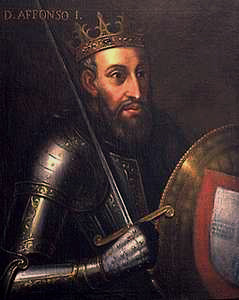
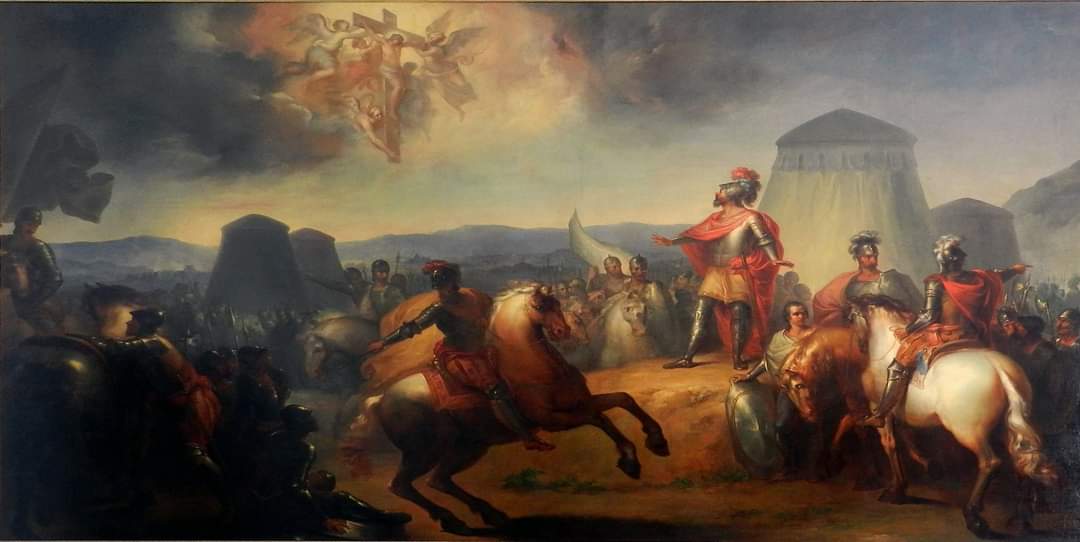
Afonso I (Portuguese: Afonso I), commonly called Afonso Henriques, was the first monarch to rule an independent Portugal. Born in 1109 to Henry of Burgundy and Teresa of León, he emerged in the early 12th century as the central figure in the transformation of the County of Portugal into a sovereign kingdom. He announced himself king after a decisive victory at the Battle of Ourique in 1139 and spent much of his reign consolidating territory and institutions around a distinct Portuguese identity.
Image gallery
9 Images





Early life and rise to power
The son of a Burgundian count and a Leonese princess, Afonso Henriques inherited a semi-autonomous county on the western edge of the Iberian Peninsula. He contested his mother’s rule and the influence of León, asserting local authority through military action and political maneuvering. The episode most associated with his rise is the Battle of Ourique (1139), after which he adopted the royal title; this act began a prolonged process of diplomatic and military struggle to secure recognition of Portugal’s independence from neighboring kingdoms.
Reign, campaigns and administration
As ruler he enlarged Portuguese territory during the Reconquista, driving Muslim rule from several central regions and doubling the size of the realm over decades. His rule combined warfare with settlement policies: he encouraged the repopulation of reconquered lands, granted charters and privileges to towns, and worked with military orders and local elites to defend and administer frontier areas. The kingdom’s institutions—royal courts, land grants, and episcopal organization—took on clearer form under his authority.
Achievements and legacy
- Established a hereditary monarchy that would become the Kingdom of Portugal.
- Expanded territory through Reconquista campaigns and fortified coastal and inland positions.
- Sought and eventually secured external recognition; royal independence was affirmed in diplomacy and later by papal acknowledgement.
Recognition, later life and death
The independence of Portugal was consolidated during and after his reign through treaties and papal diplomacy; by the later 12th century the new kingdom was accepted in European political practice. Afonso I died on 6 December 1185 in Coimbra and was buried at the principal religious house of the city. His reign is often seen as the founding chapter of Portuguese statehood and identity.
Notable facts
- He is often given the sobriquet "the Conqueror" (Portuguese: o Conquistador) for his military successes.
- The transformation from county to kingdom combined battlefield triumphs with administrative reforms and church relations.
- Key places associated with his life and rule include the early capital regions and the city where he died, Coimbra, and sites tied to the Reconquista era campaigns.
For further general context on his name and titles see brief entries and related summaries of medieval Iberian history. Scholarly accounts explore the mixture of legend and fact surrounding episodes such as the declaration at Ourique and the later diplomatic steps that secured Portugal’s place among European kingdoms.
Related articles
Author
AlegsaOnline.com Afonso I of Portugal (Afonso Henriques) Leandro Alegsa
URL: https://en.alegsaonline.com/art/1245