
Aga Khan III: Muslim leader, reformer and international statesman
Sir Sultan Muhammed Shah, Aga Khan III (1877–1957), 48th Imam of the Nizari Ismailis; a political organizer, education and welfare patron, and a prominent figure in British Indian and international affairs.
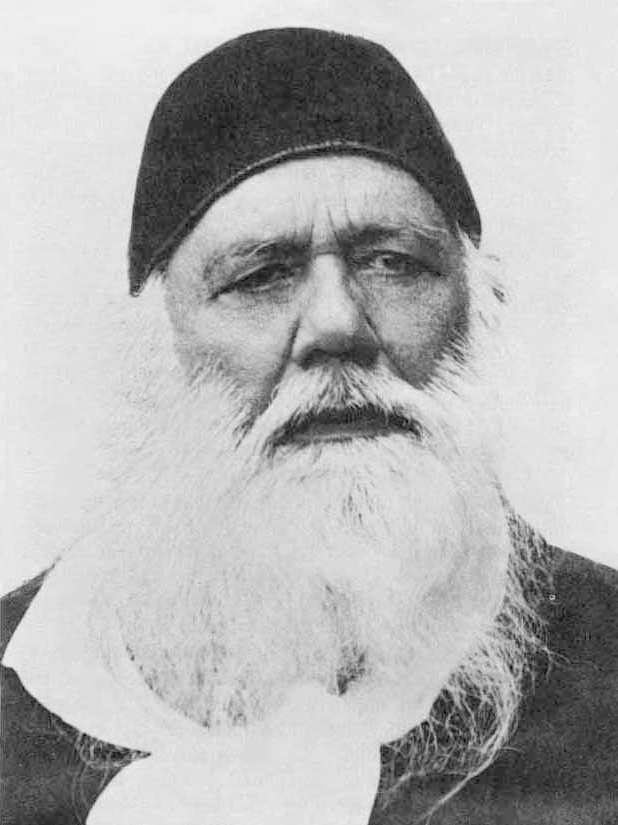
Sir Sultan Muhammed Shah, widely known as Aga Khan III (1877–1957), served as the 48th Imam of the Nizari Ismaili Muslims. Born in Karachi when it was part of British India, he combined traditional religious responsibilities with a broad interest in modern education, political organization and international diplomacy.
Image gallery
9 Images



Early life and education
He succeeded to the imamate as a child after the death of his father, Aga Khan II, and received both religious instruction for his role and a Western schooling. He was educated in Britain, attending institutions such as Eton and studying at Cambridge. These experiences shaped his outlook: he sought to reconcile religious leadership with engagement in contemporary civic, social and political life.
Political and international role
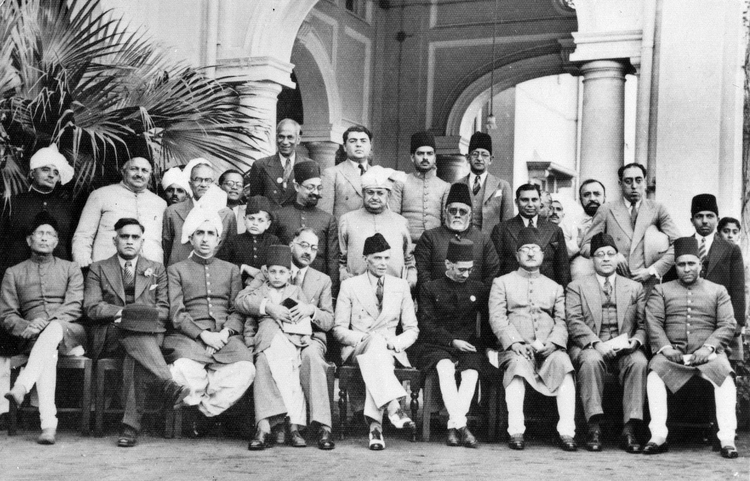
Aga Khan III was active in public affairs. He helped establish and lead Muslim political organization in India, including a founding role in the All-India Muslim League, which sought to represent Muslim interests under colonial rule. On the world stage he gained recognition as an international diplomat and statesman, serving as President of the Assembly of the League of Nations in the late 1930s and participating in intergovernmental and interfaith discussions.
Social and philanthropic initiatives
Throughout his imamate he promoted education, health and economic development for Ismaili and wider communities across Asia and Africa. His followers organized notable public celebrations of his anniversaries in which symbolic ceremonies—such as ceremonial weighings in gold, diamonds and platinum—were held; proceeds were directed to schools, hospitals and relief projects. These acts financed institutions including girls' schools and rural development efforts in remote northern regions now in Pakistan.
Honours, leadership style and legacy
He received high honours from the British Crown and was later appointed to the British Privy Council (Privy Council), reflecting his international profile and frequent engagement with Britain and other powers; contemporary accounts also note imperial decorations and recognition (British honours). Aga Khan III combined ceremonial religious authority with active leadership: he encouraged modern education, supported women's schooling, promoted social welfare and used his influence to secure resources for community development.
Notable facts and succession
- Imamate: He led the Nizari Ismaili community for many decades and sought to modernize community institutions while maintaining religious traditions (Imam).
- Political founding: He was instrumental in early 20th-century Muslim political organization in India (All-India Muslim League).
- International role: His service as President of the League of Nations assembly marked a high point in his diplomatic engagement.
- Welfare funding: Public gifts and ceremonial weighings converted private devotion into public projects across Asia and Africa using gold, diamonds and platinum contributions (gold, diamonds, platinum).
Aga Khan III died in 1957 after a long and multifaceted career as a spiritual leader, philanthropist and public figure. His initiatives left an institutional legacy—schools, health services and community organizations—that shaped the development priorities of the Nizari Ismaili community and influenced wider social reforms in South Asia and beyond.
For additional context and primary references, consult linked topic entries: Imamate, Ismailism, biographical notes on Aga Khan II, and historical summaries of the All-India Muslim League and League of Nations.
Questions and answers
Q: Who was Sir Sultan Muhammed Shah, Aga Khan III?
A: Sir Sultan Muhammed Shah, Aga Khan III was the 48th Imam of the Shia Ismaili Muslims. He became Imam at a very young age and was seven years old when his father died in 1885.
Q: Where was he born?
A: He was born in Karachi, which at that time was part of British India.
Q: What kind of education did he receive?
A: He received both a religious education as well as a European education. He attended Eton and Cambridge University, and frequently visited Britain.
Q: How were his anniversaries celebrated by his followers?
A: His followers celebrated his anniversaries as Imam in 1937, 1946 and 1954 by weighing him in gold, diamonds and platinum. The proceeds were spent on welfare and development in Asia and Africa. Girls schools were set up in the remote northern areas of what is now Pakistan.
Q: Was he knighted?
A: Yes, he was knighted by Queen Victoria and later made a member of the Privy Council.
Q: What organization did he help found?
A: He helped found the All-India Muslim League and served as President of the League of Nations from 1937-38.
Related articles
Author
AlegsaOnline.com Aga Khan III: Muslim leader, reformer and international statesman Leandro Alegsa
URL: https://en.alegsaonline.com/art/1322