
Linda Taylor — the woman labeled the 'welfare queen' and her public legacy
Overview of Linda Taylor (born Martha Louise White), her known crimes, media coverage that produced the 'welfare queen' label, and the political and social debates that followed.
Overview
Linda Taylor (born Martha Louise White; c. January 1926 – April 18, 2002) was a central figure in a widely publicized criminal case and a flashpoint in American political rhetoric. She became nationally known after investigative reporting in 1974 and was portrayed in public discourse as an archetype of welfare fraud. Her life and the stories around it intersect criminal records, media attention, and heated political debate.
Image gallery
1 Image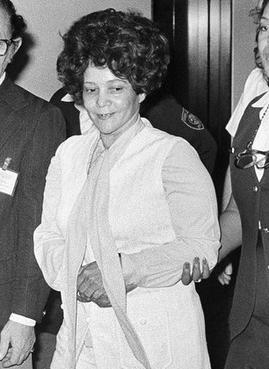
Known crimes and legal history
Taylor was convicted in the 1970s on charges that included welfare fraud and related offenses, and she served time in prison. Reporting and later accounts have attributed additional illegal activities to her—allegations include theft, insurance fraud, bigamy, and the illegal placement or sale of children—but not every claim was proven in court. Because contemporary coverage mixed confirmed convictions with disputed accusations, accounts of the full extent of her crimes vary among sources.
Media coverage and the 'welfare queen' label
A detailed investigative piece in the Chicago Tribune article brought Taylor to public attention in the fall of 1974. That reporting emphasized her use of multiple identities and schemes to exploit public benefits systems. Journalists and commentators soon referred to her using the phrase "welfare queen", a label that condensed reporting into a memorable but loaded stereotype.
Political uses and national debate
Her case was widely cited by politicians to illustrate alleged abuses of welfare. Most notably, Ronald Reagan invoked Taylor's story beginning in his 1976 presidential campaign and in later speeches to criticize public assistance programs. Advocates for welfare reform used her example to argue for stricter oversight, while opponents warned that the anecdote had been exaggerated and racialized in public discourse and therefore distorted policy discussions about social programs.
Background, identity, and context
Taylor used multiple names and claimed varied personal histories; official records show her birth name was Martha Louise White. She operated in several U.S. cities and adopted tactics—such as false identities and forged documents—that complicated investigations and prosecutions. Her story is as much about the weaknesses in oversight systems as about an individual's criminal behavior.
Legacy and interpretation
The Linda Taylor case remains significant for two reasons: the concrete criminal conduct that led to convictions, and the outsized symbolic role the story played in national conversations about poverty, race, and public assistance. Historians and commentators continue to debate how much the popular image matched the facts and how that image shaped policy decisions and public attitudes toward low-income people.
- Key documented facts: birth name Martha Louise White; notoriety after 1974 reporting; convictions for welfare-related crimes.
- Contested or reported claims: broader criminal activities alleged by some sources but not uniformly adjudicated.
- Significance: used politically to argue for welfare reform and often cited in discussions of media framing and policy.
For further reading about welfare fraud and the media's role in shaping policy narratives, see reporting and analysis that contextualize the case in both criminal justice and social-policy terms: welfare fraud, Chicago Tribune article, welfare queen, Ronald Reagan, 1976 presidential campaign, and debates over social programs.
Related articles
Author
AlegsaOnline.com Linda Taylor — the woman labeled the 'welfare queen' and her public legacy Leandro Alegsa
URL: https://en.alegsaonline.com/art/124411
Sources
- nytimes.com : "'Welfare Queen' Becomes Issue in Reagan Campaign"
- slate.com : "The Welfare Queen"
- npr.org : "The Truth Behind The Lies Of The Original 'Welfare Queen'"