
Chicago Tribune
Major daily newspaper founded in 1847 in Chicago. Known for wide-ranging local and national reporting, investigative journalism, and the famous 1948 "Dewey Defeats Truman" headline error.
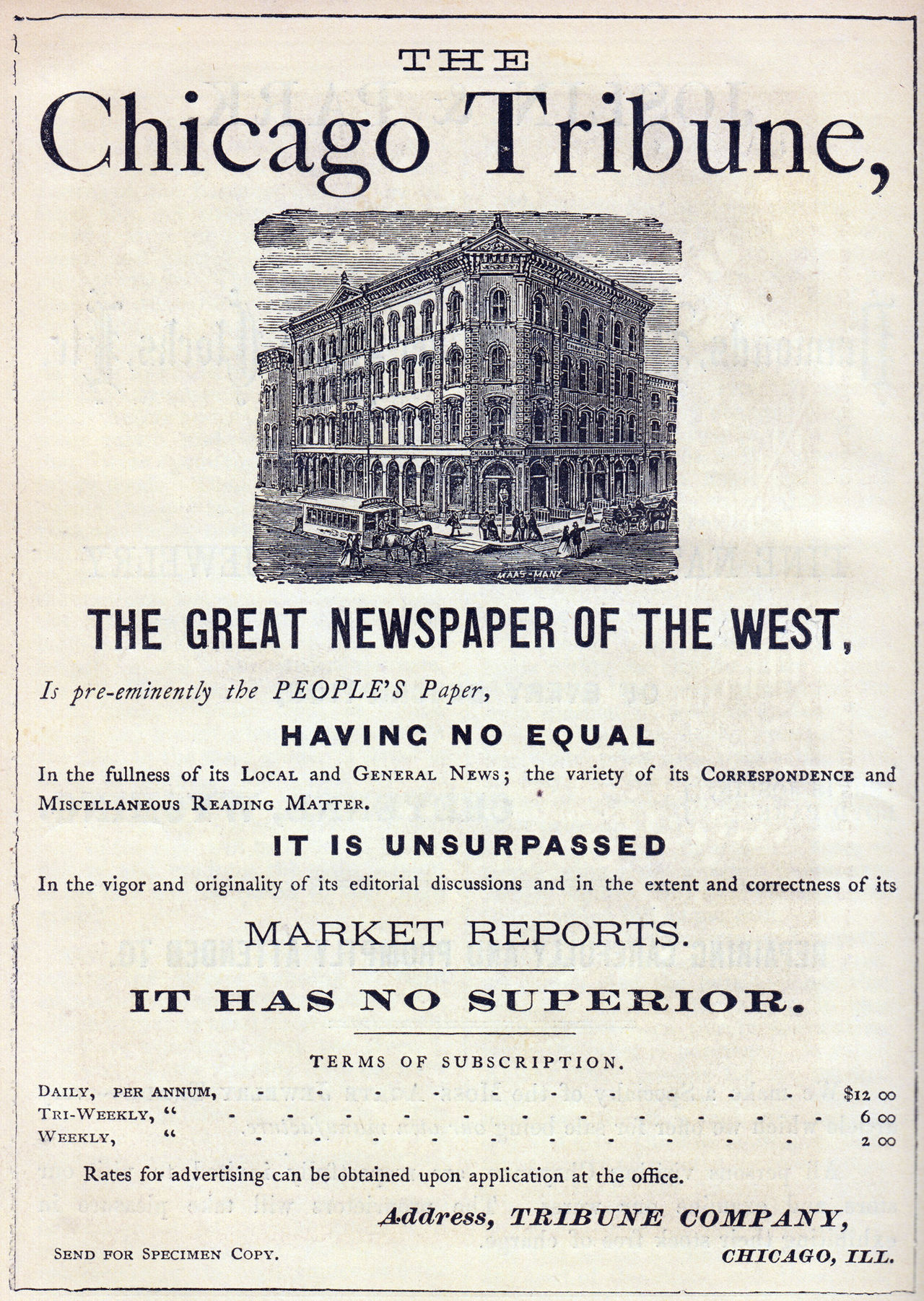
The Chicago Tribune is a long-established daily newspaper serving Chicago and the wider region of Illinois. Founded on June 10, 1847 by James Kelly, John E. Wheeler, and Joseph K. C. Forrest, the Tribune developed into one of the United States' prominent metropolitan papers, reporting on city government, business, culture, and national affairs.
Image gallery
10 Images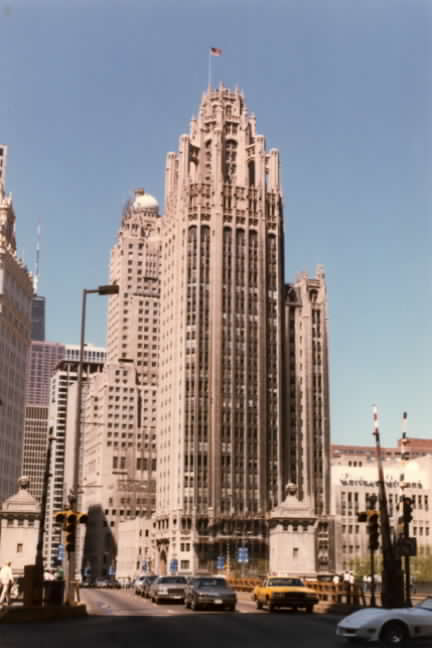




History and development
From its 19th-century origins, the paper expanded circulation, influence, and facilities; its historic headquarters on Michigan Avenue became an architectural landmark. Over its history the Tribune has gone through changes in ownership, management, and technology while maintaining a daily print edition and developing an extensive digital presence. The newsroom tradition includes local beats, investigative units, and a separate editorial page with opinions and endorsements.
Characteristics and sections
The Tribune appears as a broadsheet and covers a broad mix of topics: metropolitan news, politics, business, sports, arts, and lifestyle. Typical organizational elements include a city desk, investigations, features, business reporting, and arts criticism. It has also provided syndicated columns and national reporting that reach readers beyond the city.
Notable events and reputation
One of the most famous episodes in the paper's history is its premature 1948 headline proclaiming the wrong election result, printed as DEWEY DEFEATS TRUMAN after early returns and polling were misinterpreted during the 1948 United States presidential election. The incident became an enduring example of the risks of early deadlines and overreliance on incomplete data.
- Local impact: continuous coverage of Chicago government and neighborhoods.
- Investigative work: sustained projects into public policy, corruption, and civic issues.
- Awards: recipients of multiple journalism honors for reporting and photography.
Today the Tribune remains an important source for residents and for those interested in urban affairs, commerce, and Midwestern perspectives. Like many legacy newspapers, it balances print traditions with digital innovation, adapting its reporting and distribution to changing reader habits while preserving a recognizable institutional role in American journalism.
Related articles
Author
AlegsaOnline.com Chicago Tribune Leandro Alegsa
URL: https://en.alegsaonline.com/art/19542
Sources
- abcas3.auditedmedia.com : "Snapshot Report - 3/31/2013"