
Leopold I, Duke of Lorraine (1679–1729)
Leopold I (1679–1729), called "the Good", was Duke of Lorraine and Bar, patron of the Château de Lunéville, negotiator between France and the Habsburgs, and ancestor of the Habsburg-Lorraine line.
Leopold I (11 September 1679 – 27 March 1729), often called the Good, was the ruling Duke of the historical territories of Lorraine and Bar. Born the eldest son of Charles V, Duke of Lorraine, and Eleonore of Austria, he belonged to the long-established House of Lorraine. He is particularly remembered for the transformation of the ducal residence at Château de Lunéville and for the dynastic ties that later linked his family to the Habsburgs.
Image gallery
7 Images

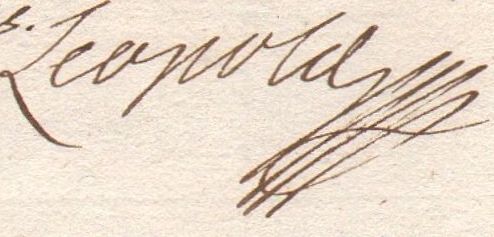


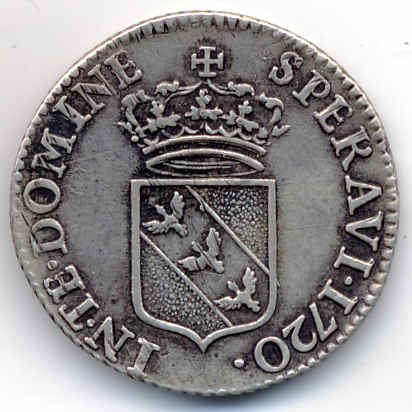
Accession and political context
Leopold succeeded to the ducal title as a child in 1690 after his father's death. His early years as duke were overshadowed by the military and diplomatic ambitions of France, which repeatedly intervened in the region. For much of his youth and early adulthood the duchy’s autonomy was constrained by larger powers, and Leopold relied on negotiation and marriage alliances to preserve his family's position. Following the treaties that concluded the wars of the early 18th century, he reestablished effective ducal authority and settled at Lunéville.
Court, culture and administration
Leopold cultivated a cultured court renowned for music, architecture and ceremony. He commissioned extensive works at Lunéville, giving it a scale and style that invited comparisons with other grand European residences. Administratively he sought to modernize ducal governance and to stabilize finances after decades of conflict, balancing local traditions with necessary reforms.
Family and dynastic significance
In marriage and childbirth Leopold strengthened political bonds. He married Élisabeth Charlotte d'Orléans, a niece of Louis XIV, which linked Lorraine to the French royal family while maintaining independence. Their children included figures who played important roles in European dynastic politics.
- Notable children: the couple’s offspring included Francis Stephen, who later became Duke of Lorraine and through marriage would be central to the future Habsburg-Lorraine line.
Legacy
Leopold’s legacy is both cultural and dynastic. The restored and embellished Château de Lunéville became a symbol of his court and survives in memory as a major seat of Lorraine's identity. Politically, his family continued to exert influence in European affairs: the House of Lorraine later merged with the Habsburgs, shaping the region’s future. Today his reign is remembered for its efforts to preserve ducal sovereignty, patronize the arts, and position his heirs within the network of European dynasties centered on both Paris and Vienna.
For further reading on the region and the family’s history, see entries on the Duchy of Lorraine and the broader traditions of the House of Lorraine.
Questions and answers
Q: Who was Leopold, Duke of Lorraine?
A: Leopold, Duke of Lorraine was the ruling Duke of Lorraine and Bar from 1690 until his death in 1729.
Q: When was Leopold, Duke of Lorraine born?
A: Leopold, Duke of Lorraine was born on September 11, 1679.
Q: What was Leopold, Duke of Lorraine known as?
A: Leopold, Duke of Lorraine was nicknamed "The Good".
Q: What was Leopold, Duke of Lorraine's connection to Holy Roman Emperor Leopold I?
A: Leopold, Duke of Lorraine was named in honor of his uncle, Holy Roman Emperor Leopold I.
Q: What was Leopold, Duke of Lorraine responsible for creating?
A: Leopold, Duke of Lorraine was responsible for creating the Château de Lunéville which was used as the ducal residence during his lifetime.
Q: Who were Leopold, Duke of Lorraine's parents?
A: Leopold, Duke of Lorraine's parents were Eleanor of Austria and Charles V of Lorraine.
Q: How long had the House of Lorraine been ruling over the small sovereign Duchy of Lorraine before Leopold, Duke of Lorraine?
A: The House of Lorraine had been ruling over the small sovereign Duchy of Lorraine since 1473, before Leopold, Duke of Lorraine.
Related articles
Author
AlegsaOnline.com Leopold I, Duke of Lorraine (1679–1729) Leandro Alegsa
URL: https://en.alegsaonline.com/art/124260