
Leni Riefenstahl: German filmmaker and controversial director
German filmmaker and former dancer known for pioneering camera techniques and for directing Nazi-era works such as Triumph of the Will and Olympia; her artistic legacy remains contested.
Helene Bertha Amalie "Leni" Riefenstahl (22 August 1902 – 8 September 2003) was a German filmmaker and photographer whose career combined technical innovation with extraordinary controversy. She first achieved fame as a performer and later as a film director who produced works that served as state-sponsored propaganda for the Nazi regime. Two of her best-known films are Triumph of the Will and Olympia.
Riefenstahl began her public life as an interpretive dancer. After a knee injury ended her dancing career she turned to acting and then to filmmaking in the late 1920s and early 1930s. Her early transition from performer to director reflected a strong interest in visual composition, movement and the technical possibilities of the motion picture camera.
Image gallery
10 Images


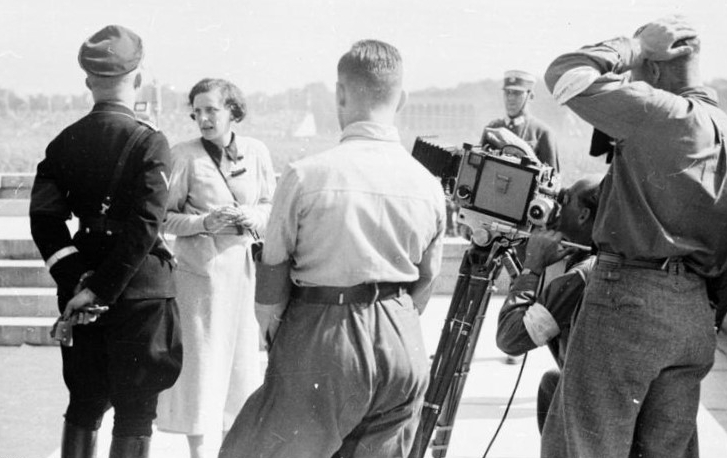
Major works and filmmaking style
Triumph of the Will (1935) documents the 1934 Nuremberg Rally and is widely studied as an example of how cinematic techniques can be used for political persuasion. Olympia (1938), a two-part documentary of the 1936 Berlin Olympic Games, is noted for innovations in sports cinematography: slow motion, unusual camera angles, long telephoto lenses, tracking shots and carefully staged sequences that emphasize form and rhythm. These technical achievements influenced later filmmakers, even as the films themselves remained politically charged.
Riefenstahl's style emphasized choreography of crowds, monumental framing and striking visual motifs. She experimented with aerial photography, cranes and underwater cameras, seeking new ways to render movement and scale. Critics and historians have acknowledged her formal inventiveness while debating the ethical implications of using such skill to promote a totalitarian regime.
Post-war life, controversy and later work
After World War II Riefenstahl was interrogated and faced legal proceedings related to her association with Nazi leaders. She consistently denied being a political ideologue and maintained that her work was aesthetic rather than doctrinal; historians remain divided over the degree of her complicity. For a time she was banned from filmmaking, and her public reputation was severely damaged.
In later decades she pursued photography, producing prominent books of images from Africa, including portraiture of the Nuba peoples, and she published memoirs and technical reflections on filmmaking. She lived to the age of 101, dying in 2003. Her long life allowed continuing reassessment of both her technical contributions and the moral questions they raise.
Legacy and significance
- Technical influence: praised for camera innovations that shaped documentary and sports film techniques.
- Ethical debate: emblematic case of the relationship between artistic achievement and political responsibility.
- Scholarly interest: studied across film history, visual culture and ethics courses as an instructive, contested figure.
- Enduring controversy: her films remain both taught and condemned, provoking discussion about propaganda, art and accountability.
Related articles
Author
AlegsaOnline.com Leni Riefenstahl: German filmmaker and controversial director Leandro Alegsa
URL: https://en.alegsaonline.com/art/124201