
Lennart Johansson
Swedish sports administrator (1929–2019), longest-serving president of UEFA (1990–2007), influential in the professionalisation and commercial development of European football.
Overview
Nils Lennart Johansson (5 November 1929 – 4 June 2019) was a Swedish sports official best known for serving as president of the Union of European Football Associations (UEFA) from 1990 until 2007. His seventeen-year tenure made him UEFA's longest-serving president. Johansson is widely remembered for guiding European football through a period of rapid professionalisation and commercial growth and for helping to modernise continental club and international competitions.
Image gallery
4 Images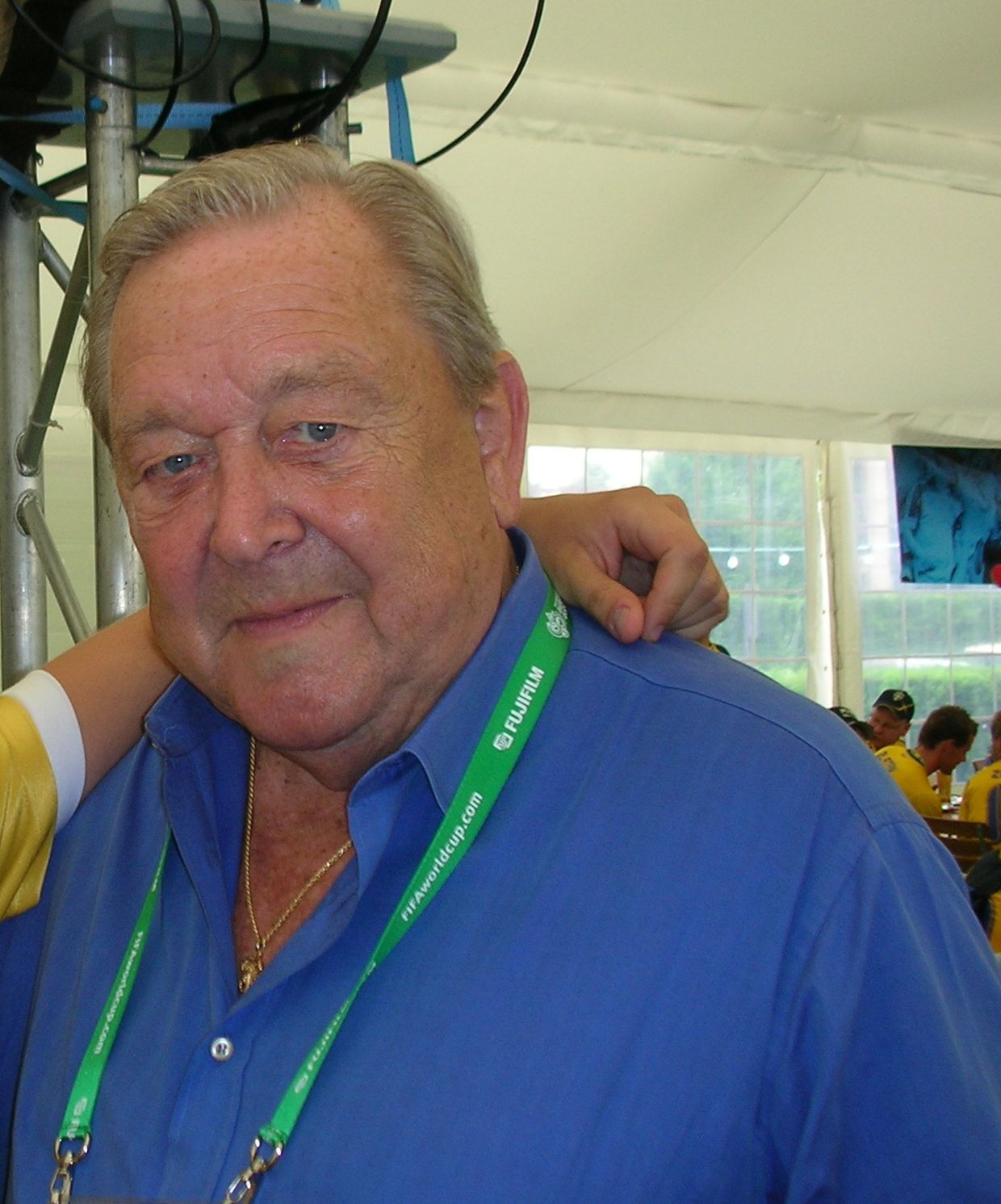


Early life and sporting beginnings
Johansson began his involvement in organised sport in his hometown, where he first made a name as a local leader in the sport of bandy. He was active with AIK from an early stage and remained associated with the club as he moved into administrative roles; his work at the club level is commonly linked with his later rise in Swedish football administration. Johansson's connection to AIK is often cited as a formative influence on his practical approach to sports governance: AIK served as the local institution where he cut his administrative teeth.
Rise in Swedish football administration
Progressing from club administration into national structures, Johansson climbed the ranks of the Swedish Football Association. He served as president of the association from 1984 to 1991, a period during which Swedish football confronted similar changes to those seen across Europe: increasing commercial interest, growing media exposure and the need to modernise organisational structures. His experience at the national level provided the platform for his later election to the UEFA presidency.
UEFA presidency and reforms
Elected at the UEFA Congress in 1990, Johansson presided over the organisation during a time of major transformation in the sport. Under his leadership, UEFA consolidated its role as a commercial and sporting regulator for European football. Key developments during his presidency included the reformation and expansion of pan-European club competitions into the modern Champions League era, the strengthening of television and sponsorship arrangements, and moves to harmonise competition regulations across member associations.
Achievements and areas of influence
- Long-term stability at the top of UEFA, providing continuity through a period of rapid change.
- Oversight of competition restructuring that increased the profile and revenue of European club football.
- Greater professionalisation of UEFA's administration and an emphasis on commercial partnerships and broadcast rights.
- Support for development programmes intended to raise standards across smaller national associations.
Legacy, later life and recognition
Johansson retired from the UEFA presidency in 2007 and was shortly afterwards named honorary president of the organisation. He was succeeded as UEFA president by Michel Platini. His long career left a mixed but generally acknowledged legacy: credited with modernising the governance and commercial foundations of European football while also presiding over debates about the balance between money, sporting merit and competition format. Johansson died in Stockholm on 4 June 2019 at the age of 89; notices of his passing noted both his steady stewardship and the profound changes in the game during his era (Stockholm).
Notable facts and distinctions
Though primarily associated with football administration, Johansson's origins in bandy and his early work with AIK are frequently cited by observers as illustrative of his practical, club-rooted approach. His leadership at the national level with the Swedish Football Association preceded his long tenure at UEFA, and he remained a prominent figure in discussions about governance and reform in international football throughout his later life.
Related articles
Author
AlegsaOnline.com Lennart Johansson Leandro Alegsa
URL: https://en.alegsaonline.com/art/124204
Sources
- svt.se : "Lennart Johansson satsar på bandy"
- bbc.co.uk : "Champions League pioneer and ex-Uefa president Lennart Johansson dies"