
Khamtai Siphandone: Laotian revolutionary, prime minister and president
Khamtai Siphandone (born 8 February 1924) is a Laotian political and military leader who served as Prime Minister (1991–1998) and President of Laos (1998–2006).
Overview
Khamtai Siphandone (Lao: ຄຳໄຕ ສີພັນດອນ, born 8 February 1924) is a veteran Laotian political and military figure. He rose from the anti-colonial and revolutionary movements of mid-20th century Laos to occupy the country’s top civilian posts in the 1990s and early 2000s.
Image gallery
4 Images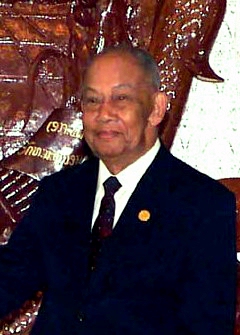



Early life and revolutionary activity
Coming to prominence as a combatant and organizer within the Pathet Lao movement, Khamtai developed a reputation as a military commander and party cadre. During the period that led to the establishment of the Lao People’s Democratic Republic in 1975, he served in senior defense and security roles and helped consolidate the revolutionary state.
Political career and offices
Following decades of party and government service, Khamtai held Laos’s two highest government offices in succession. He served as Prime Minister from 15 August 1991 to 24 February 1998 and then as President from 24 February 1998 until 8 June 2006. These years marked his transition from military leader to senior statesman within the ruling Lao People’s Revolutionary Party (LPRP).
- Key positions held
- Senior military commander and defense official during the revolutionary era
- Prime Minister of Laos (1991–1998)
- President of Laos (1998–2006; see presidential record)
Leadership, policies and influence
As a top leader, Khamtai emphasized political stability, party unity and close relations with neighbouring socialist countries. His tenure coincided with cautious economic opening and reform in Laos, including efforts to attract foreign investment while preserving the LPRP’s central role. He was regarded as part of a generation that guided the country through post-revolutionary consolidation into a modern, single-party state.
Legacy and notable facts
Khamtai is often described as an influential elder within Laos’s political establishment, noted for blending military experience with party governance. In 2006 he was succeeded in the presidency by Choummaly Sayasone (successor profile). For further background and official information on his political biography, see representative sources on Laotian leadership and party history (party biography).
Why he matters
Studying Khamtai Siphandone illuminates the broader transition of Southeast Asian revolutionary movements into state institutions, the persistence of one-party governance in Laos, and the role of military leaders in political transformation. His career bridges wartime leadership, state-building and the pragmatic governance of a small, strategically located country.
Related articles
Author
AlegsaOnline.com Khamtai Siphandone: Laotian revolutionary, prime minister and president Leandro Alegsa
URL: https://en.alegsaonline.com/art/123692