
Ken Starr
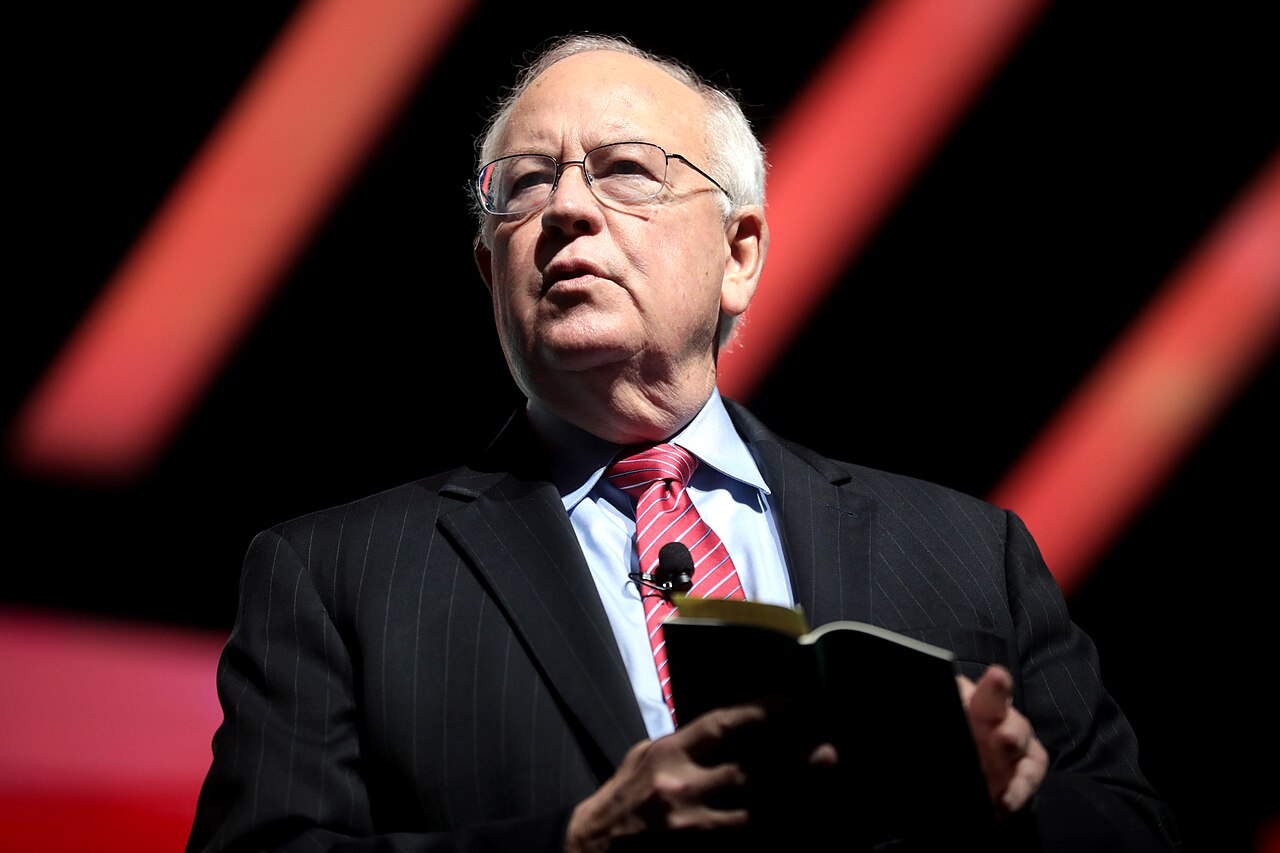
Kenneth W. Starr (1946–2022) was an American lawyer, federal judge, solicitor general and independent counsel best known for the investigation that produced the Starr Report and led to President Clinton's impeachment proceedings.
Kenneth Winston "Ken" Starr was an American lawyer, judge and public official whose career spanned roles in the federal judiciary, the executive branch and academia. He gained national prominence as Independent Counsel in a prolonged investigation of the Clinton administration that culminated in the 1998 Starr Report. Starr's professional life combined appellate judging, appellate advocacy for the United States and high-profile investigative work.
Image gallery
6 Images


Career highlights
Starr served in several senior legal posts during a long public career. Among his principal roles were:
- private and public lawyer with experience in appellate litigation and government service;
- judge on a federal U.S. Court of Appeals (the nation’s federal appellate bench);
- United States Solicitor General, representing the federal government before the Supreme Court from 1989 to 1993;
- Independent Counsel leading the investigation that produced the Starr Report during Bill Clinton’s presidency;
- later university president and academic administrator.
Independent Counsel and the Starr Report
Appointed under a statute that authorized special independent investigations, Starr succeeded earlier investigators in a probe that began with questions about real estate investments and expanded into allegations concerning the president’s conduct. The investigation produced a lengthy public report that set out allegations of false statements, obstruction and related conduct. The report and its public release played a central role in the House of Representatives’ decision to pursue impeachment proceedings against President Clinton in 1998. The Senate later conducted a trial and did not remove the president from office.
Legal and political impact
Starr's work remains a subject of debate among scholars, lawyers and political observers. Supporters argued the investigation upheld accountability and the rule of law; critics charged it expanded beyond its original mandate and raised questions about the independent counsel mechanism itself. The controversy surrounding the independent counsel statute contributed to later reforms in how high-level federal investigations are organized.
Later life and legacy
After his years in government, Starr continued to teach, write and lead institutions in higher education. His tenure as a university president and his continuing public commentary kept him in public view. Observers remember him both for his lengthy public service and for the contentious, high-profile inquiry that most defined his public reputation.
Starr died on September 13, 2022 in Houston, Texas, from complications following surgery. His life and career remain important reference points in discussions about judicial temperament, executive accountability and the limits of investigatory authority.
For more information about his roles and the legal context of independent investigations, see related references and legal summaries that explain how special counsel and solicitor general offices function in the U.S. system. Additional archival material and full texts of public reports provide primary source material for research and teaching.
Related articles
Author
AlegsaOnline.com Ken Starr Leandro Alegsa
URL: https://en.alegsaonline.com/art/123620