
Karl Lagerfeld: life, style, and legacy of a 20th-century fashion icon
Comprehensive overview of Karl Lagerfeld — his biography, signature style, major fashion houses, photographic and commercial work, personal life, controversies, and lasting influence.
Karl Lagerfeld (born Karl Otto Lagerfeldt, 10 September 1933 – 19 February 2019) was a German-born creative director, designer, photographer and cultural figure whose work shaped late 20th- and early 21st-century fashion. Renowned for revitalizing historic houses and for a distinct personal image, he combined archival reference, sharp tailoring and theatrical showmaking to influence global style. For a concise background see biographical outline.
Image gallery
6 Images


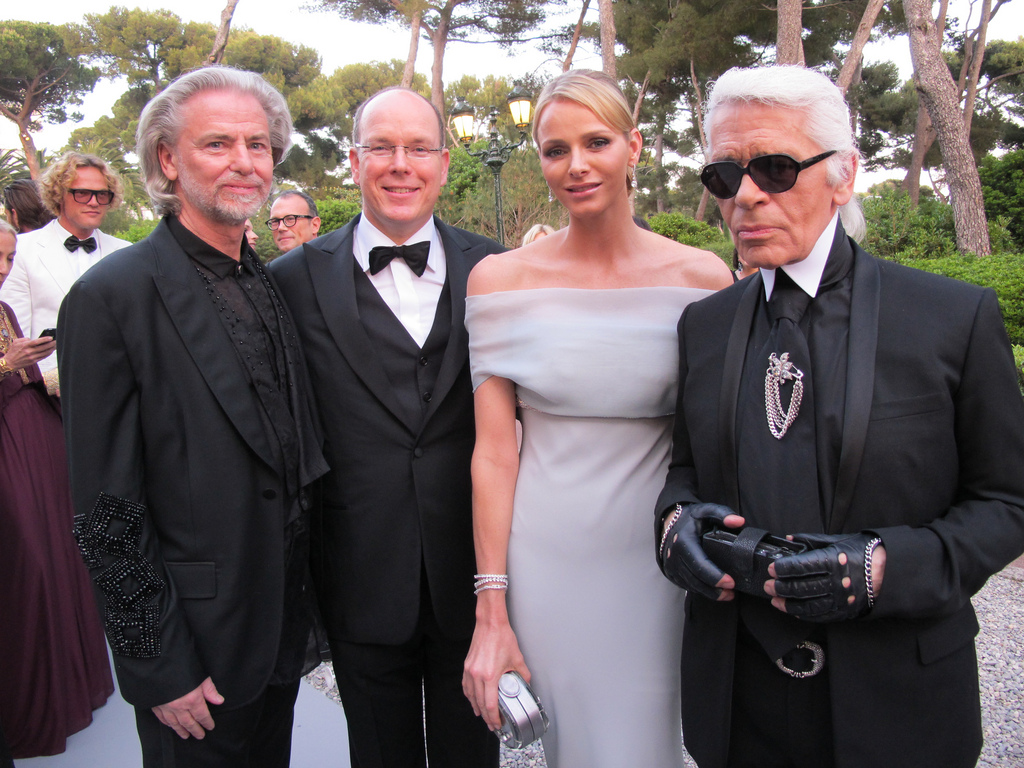


Signature style and public persona
Lagerfeld cultivated a tightly recognisable public look: powdered hair pulled into a ponytail, dark sunglasses, high-collared shirts and fingerless gloves. His design aesthetic often mixed the austere and the opulent — precise cuts, strong contrasts of black and white, and frequent use of tweed, pearls and logo motifs. He was known for wry remarks and provocative commentary that kept him in the public eye as much as his collections. For examples of his photographic work and public appearances consult selected galleries.
Major houses and commercial work
Over a long career Lagerfeld held creative leadership at several major labels. He is best known for his decades-long stewardship of Chanel, where he reinterpreted Coco Chanel’s vocabulary for new audiences, restoring prestige and commercial success. He also led the Italian house Fendi for fur and ready-to-wear collections, and contributed to Chloé during periods of revival. In the 1980s he launched his own eponymous lines and licensed fragrances and accessories, building a multifaceted business that combined couture, ready-to-wear and perfume. See corporate summaries at fashion house overview and commercial projects.
Creative breadth: photography, publishing and collaborations
Beyond garments, Lagerfeld worked as a photographer, producing portraits, fashion editorials and advertising campaigns. He published books and staged elaborate runway shows that often referenced art, film and historical eras. He collaborated with musicians, visual artists and performers and designed costumes for productions and celebrity clients. For a list of collaborations and exhibitions visit collaborations index.
Personal life, Choupette and final years
Although private about many matters, Lagerfeld’s domestic life attracted attention, notably his relationship with his Birman cat, Choupette, who developed a public profile of her own on social media. Details about the cat and its online presence can be found at Choupette accounts. Lagerfeld lived and worked mainly in Paris and maintained an intense professional schedule until his death in 2019 from pancreatic cancer in Neuilly-sur-Seine; contemporary reports and remembrances are compiled at news and obituaries. He reportedly made provisions for Choupette in his estate; commentary about his will appears at estate details.
Legacy and critical reception
Lagerfeld’s influence is visible in modern luxury branding, revivalist couture and the format of fashion shows as spectacle. Critics and historians note his dual role as a preserver of fashion heritage and as a relentless commercializer who expanded audiences for once-exclusive maisons. His work remains a point of study in fashion history, museum retrospectives and academic writing — see curated analyses at archives and retrospectives and academic commentary.
Notable facts
- Born in Hamburg and later based in Paris, he worked internationally across design and media — more on his geographical and cultural background at regional biography.
- Maintained a prolific output: fashion collections, photographic series, books and licensed products.
- Remembered both for creative achievements and for outspoken remarks that prompted debate about personality and responsibility in public life.
Karl Lagerfeld remains a defining figure whose career illustrates tensions between tradition and reinvention in fashion. His approach to brand identity, staging and the interplay of commerce and creativity continues to inform designers, curators and scholars. For further reading and curated resources use the indexes at commercial projects and collaborations index.
Related articles
Author
AlegsaOnline.com Karl Lagerfeld: life, style, and legacy of a 20th-century fashion icon Leandro Alegsa
URL: https://en.alegsaonline.com/art/123323
Sources
- bbc.com : "Karl Lagerfeld's cat could be his heir"
- mirror.co.uk : Karl Lagerfeld dead aged 85 - Chanel designer dies after weeks of ill health
- numero.com : "Interview with Karl Lagerfeld for Numero Magazine"