
Blue box (phone phreaking tone generator)
A blue box is an electronic device used by phone phreaks to manipulate telephone signaling tones to control trunk switches and make unauthorized calls; notable in 1960s–70s hacking culture.
Overview
A blue box is a small electronic tool originally used to produce the signaling tones employed on long-distance telephone trunks so a user could route or seize lines and place free telephone calls. It exploited in-band signaling systems that relied on audible tone sequences rather than separate control channels.
Image gallery
1 Image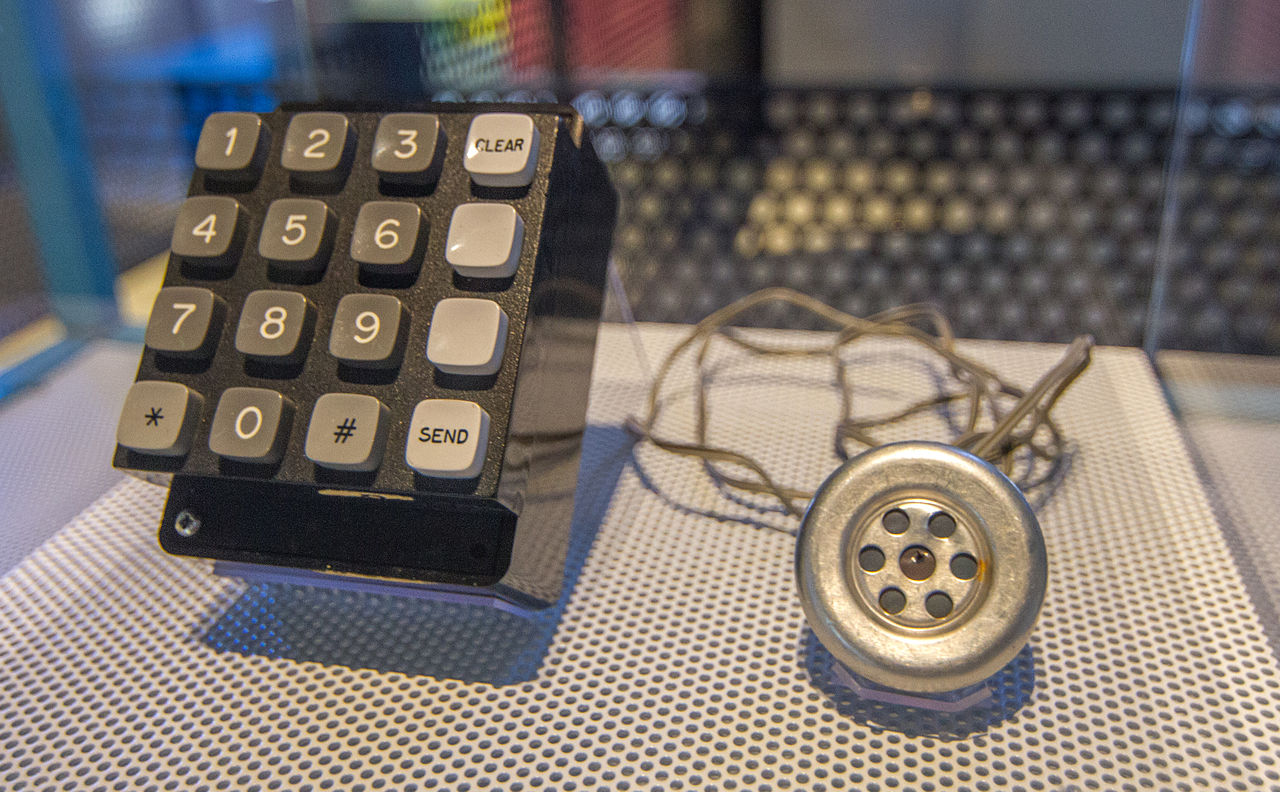
How it worked
Blue boxes synthesized the same multifrequency tones that the central offices used to control switching equipment. By injecting a series of tone pairs and a 2600 Hz control tone, operators could clear or seize trunks and send dialing information. The technique imitated functions that the telephone company used for inter-exchange routing, essentially mimicking signals nominally sent by company employees to program their equipment.
History and culture
Blue-boxing became a core practice of the phone phreaking scene in the 1960s and 1970s. One of the most famous figures associated with the practice was John Draper, known as Captain Crunch. Draper taught enthusiasts including Steve Wozniak, who, with Steve Jobs, built and sometimes sold blue boxes to fellow students (fellow students) while at the University of California, Berkeley. Anecdotes from the era include calls placed to distant or notable parties, such as an oft-recounted incident in which Wozniak reportedly reached the Pope.
Components and operation
- Oscillators or tone generators to produce MF tone pairs and a 2600 Hz control tone.
- Keying mechanism to sequence tones like dialing pulses or supervisory signals.
- Audio interface (handset or coupler) to inject tones into the telephone line.
Legal, technical and legacy issues
Using a blue box to make unauthorized calls was and remains illegal in many jurisdictions because it circumvents billing and network controls. As telephone networks migrated to out-of-band signaling (for example, Common Channel Signaling and SS7) and digital switching, the technique became ineffective. However, blue boxes left a lasting legacy: they influenced early hacker culture, raised awareness about network security, and helped launch careers in computing and electronics.
Notable distinctions
Blue boxes differ from later telecommunications exploits in that they depended on audible, in-band control signals rather than software vulnerabilities. Their history illustrates a transitional period when physical signaling design choices created unexpected attack surfaces—an enduring lesson for system design and security.
For technical schematics, historical archives, and further reading, see linked resources above.
Related articles
Author
AlegsaOnline.com Blue box (phone phreaking tone generator) Leandro Alegsa
URL: https://en.alegsaonline.com/art/12330