
Steve Jobs (1955–2011): Apple co‑founder, technology and media visionary
Profile of Steve Jobs, co‑founder of Apple and former CEO of Pixar, covering his career, major products, leadership style, influence on computing and entertainment, and brief biographical context.
Steven Paul "Steve" Jobs (February 24, 1955 – October 5, 2011) was an American businessman and investor best known as a co‑founder and long‑time chief executive of Apple Inc.. He played a central role in shaping modern personal computing, mobile devices and digital media distribution through a blend of industrial design emphasis, software‑hardware integration and intense product focus.
Image gallery
10 Images



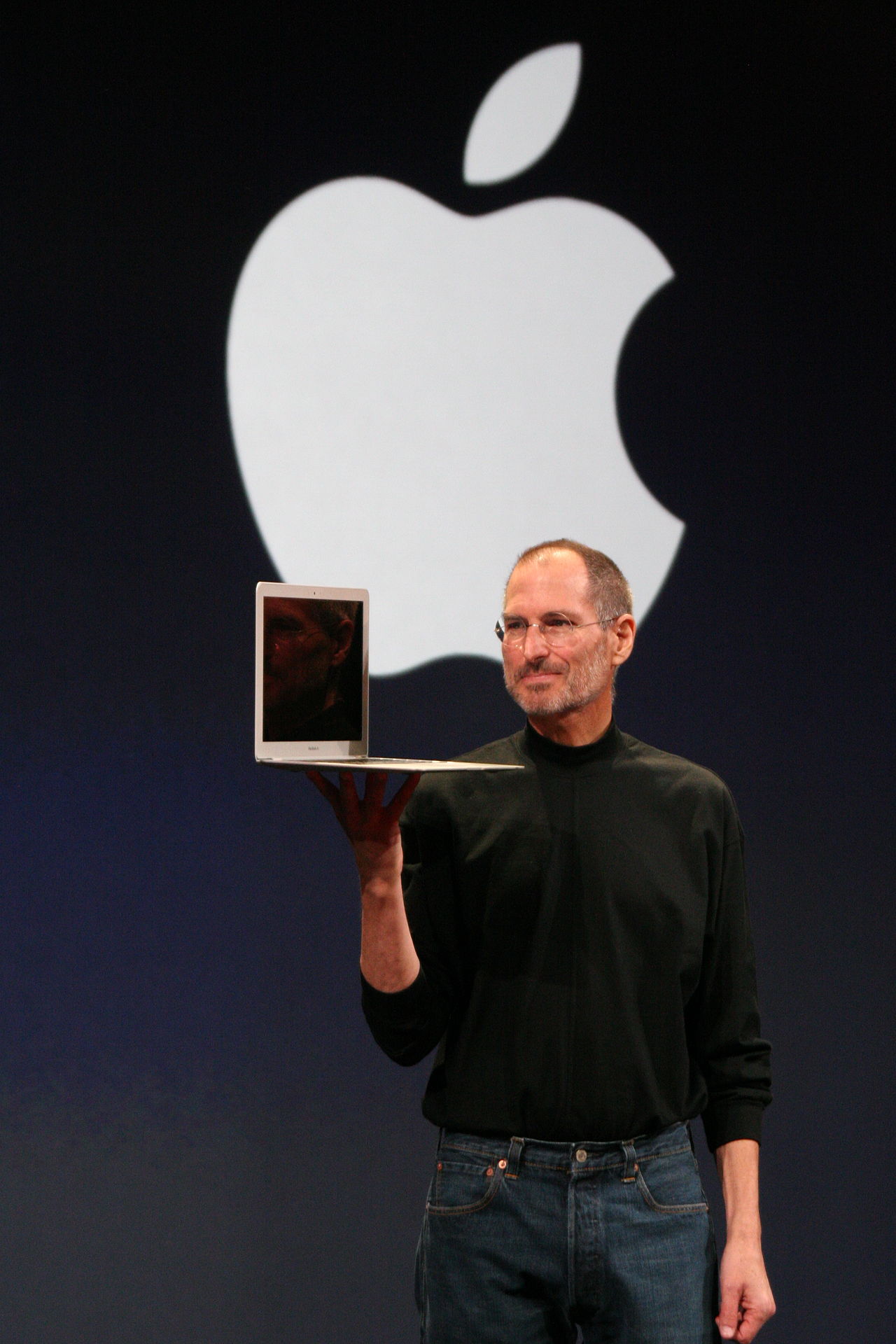




Overview of career and roles
Jobs co‑founded Apple in 1976 with Steve Wozniak and Ronald Wayne, helping to popularize the personal computer with products such as the Apple II and later the Macintosh. After leaving Apple in 1985 following internal conflicts, he founded NeXT, a computer company that influenced later software development, and in 1986 purchased and became CEO of Pixar Animation Studios. Pixar developed into a major animation studio and was sold to The Walt Disney Company in 2006; as a result Jobs became Disney's largest individual shareholder and served on its board for a period.
Distinctive characteristics and leadership
Jobs was widely regarded as a demanding and charismatic leader who concentrated on product simplicity, elegant industrial design and a cohesive user experience. He emphasized control over both hardware and software and favored vertical integration, which contributed to Apple products' distinctiveness. His presentations — now iconic keynote addresses — and insistence on detail earned him both admiration and criticism.
Key products and milestones
- Apple II and early personal computers that helped establish Apple in the 1970s and early 1980s.
- The Macintosh (1984), which introduced a graphical user interface to a broader market.
- After his return to Apple in 1997, a series of products that reshaped consumer electronics: the iMac, iPod, iTunes ecosystem, iPhone and iPad.
- At Pixar, leadership in pioneering computer‑animated feature films, beginning with Toy Story and followed by many commercially and critically successful titles.
These milestones illustrate Jobs's influence across both the computer and entertainment industries: he helped merge aesthetic design, engineering and content distribution into commercially successful platforms and services.
History, influence and legacy
Jobs's career is often described in phases: the early entrepreneur who made personal computing accessible; the exiled innovator at NeXT and executive at Pixar; and the returning CEO who led a corporate turnaround and launched products that set new industry standards. His approach influenced design thinking, product marketing and the economics of digital media. Many entrepreneurs, designers and technologists cite Jobs as a formative influence on modern consumer technology.
He faced public health challenges in his later years, undergoing treatment for a pancreatic neuroendocrine condition and related medical issues; he stepped down as CEO of Apple in August 2011 and was named chairman before his death on October 5, 2011. For further reading on aspects of his life and health, see resources on his business career and personal history: biographical details, health timeline and medical context.
Today, Steve Jobs is remembered for his role in making computing and consumer electronics more accessible and design‑driven, for the revolutionary products released under his leadership, and for reshaping media distribution through devices and services. While assessments of his management style vary, his impact on technology, design and entertainment is broadly acknowledged.
Questions and answers
Q: Who was Steve Jobs?
A: Steve Jobs was an American businessman, investor, and co-founder and CEO of Apple Inc.
Q: What other companies did Jobs work for?
A: Jobs was also the Chief Executive Officer (CEO) of Pixar Animation Studios until it was bought by The Walt Disney Company. He was the largest shareholder at Disney and a member of Disney's Board of Directors.
Q: What industries was Jobs considered a leading figure in?
A: Jobs was seen as a leading figure in both the computer and entertainment industries.
Q: When did Jobs resign from Apple and what position was he appointed to?
A: Jobs resigned from Apple in August 2011 and was appointed Chairman of Apple.
Q: How old was Jobs when he died and what were the causes of his death?
A: Jobs died at the age of 56 on October 5, 2011, from complications of pancreatitis related to type 1 diabetes and metastatic insulinoma.
Q: Did Jobs have any health problems related to diabetes?
A: Yes, Jobs had type 1 diabetes as a child and had problems with insulin when he died.
Q: What was Jobs' legacy?
A: Jobs' legacy includes co-founding Apple Inc. and creating innovative products such as the iPhone and iPad that revolutionized the computer and technology industries. He also helped establish the modern Pixar animation studio and redefined the entertainment industry with animated films such as Toy Story.
Author
AlegsaOnline.com Steve Jobs (1955–2011): Apple co‑founder, technology and media visionary Leandro Alegsa
URL: https://en.alegsaonline.com/art/131321