
University of California: System overview, history, campuses, and impact
A concise encyclopedia-style overview of the University of California system: structure, history, campuses, research reputation, governance, and its role in California higher education.
The University of California (UC) is a public research university system serving the people of the state of California. Founded in the 19th century, UC has grown into a multi-campus public institution that emphasizes research, professional education, and public service. It forms one tier of the state's three-part higher education framework alongside the California State University system and the California Community Colleges, a division of public higher education in the state. The University of California attracts students and faculty from across the globe and supports a wide range of undergraduate, graduate, and professional programs.

Image gallery
10 Images
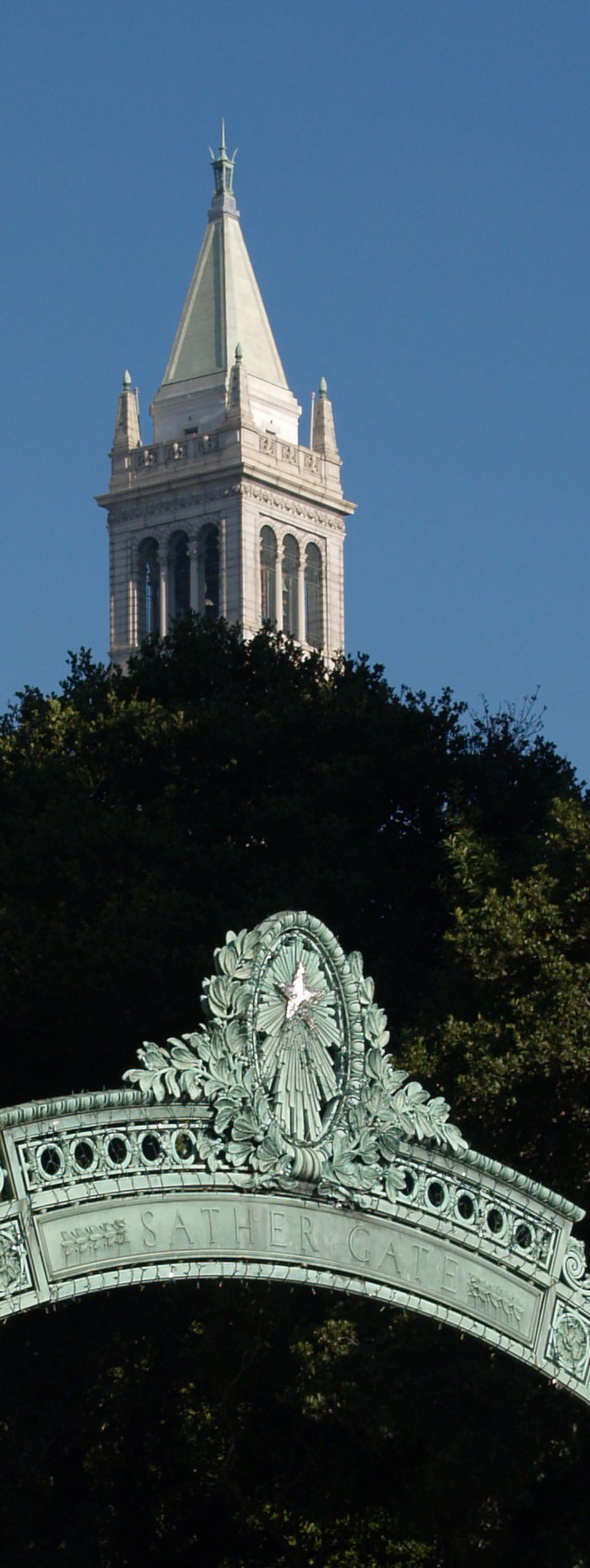


Structure and governance
The UC system comprises ten general campuses and several medical, research and national laboratories. It is governed systemwide by a Board of Regents and administered by a central office led by a president and senior officers; local campuses are led by chancellors. The system serves a large student population and a substantial professional staff distributed among teaching, research, and clinical operations.
History and development
The system traces its origins to its first campus, UC Berkeley, which opened in the late 1860s. Over time the University of California expanded to add campuses across the state, with the tenth campus, UC Merced, admitting its first students in the 21st century. Growth reflected California's rapid population increase and the state's commitment to accessible higher education, research capacity, and public healthcare.
Campuses and academic profile
Ten campuses deliver degrees in arts, sciences, engineering, law, medicine, and professional fields. Among the system's common features are large research budgets, affiliated hospitals and laboratories, and a culture that blends undergraduate teaching with intensive graduate and professional research. Representative campuses include those in Berkeley, Los Angeles, San Diego, Davis, Irvine, Santa Barbara, Santa Cruz, Riverside, and others; each campus has distinct academic strengths and student life.
Research, reputation and affiliations
UC campuses are widely known for research output in science, technology, medicine, and the humanities. Several campuses are members of the Association of American Universities, reflecting a record of high-impact scholarship. The system has produced numerous influential discoveries, startups, and public-policy contributions. Its faculty and alumni include recipients of major international honors and leaders in business, government, and the arts.
Role and public importance
As a public institution, UC plays a central role in California's economy, workforce development, and cultural life. It operates medical centers that deliver care statewide, issues degrees that support key industries, and partners with government and private sectors on research and training initiatives. The balance between public mission, tuition policy, state funding, and research priorities is an ongoing public conversation.
Notable facts and practical information
- UC is one component of California's three-tier system of public higher education and works alongside community colleges and the state university system to provide diverse pathways to degrees and careers.
- Campuses vary in size and focus: some emphasize large undergraduate populations and comprehensive programs; others are research-intensive with large graduate cohorts.
- System leadership and administration are handled centrally and locally; inquiries about admissions, scholarships, and campus services are typically directed to individual campuses or the system office, where information about the campuses and systemwide policies is maintained.
- Current governance and executive leadership can be found through official UC communications and the office of the president, which coordinates system strategy and public engagement.
For further official information, campus-specific details, admissions requirements, and research highlights, consult the University of California's published resources and campus web pages, or visit centralized portals that collect systemwide data and news.
Questions and answers
Q: What is the University of California?
A: The University of California (UC) is a public university system in the state of California. It is part of the state's three-tier public higher education system, which also includes the California State University system and the California Community Colleges system.
Q: How many students and faculty/staff does UC have?
A: The University of California has a combined student body of more than 220,000 students and over 170,000 faculty and staff.
Q: When was UC Berkeley founded?
A: UC Berkeley was founded in 1868.
Q: When did UC Merced open for classes?
A: UC Merced opened for classes in fall 2005.
Q: Is UC widely regarded as one of the top public university systems in the world?
A: Yes, the University of California's campuses boast large numbers of distinguished faculty in almost every field and it is widely regarded as one of the top public university systems in the world.
Q: How many undergraduate campuses are ranked among U.S News & World Report’s Top 100 universities?
A: Eight undergraduate campuses are ranked among U.S News & World Report’s Top 100 universities.
Q: How many members does Association of American Universities have?
A Six campuses from University Of California are members of Association Of American Universities, which has over 60 top U.S and Canadian research universities as its members .
Q Who is currently serving as president for University Of California ? A Janet Napolitano is currently serving as president for University Of California .
Related articles
Author
AlegsaOnline.com University of California: System overview, history, campuses, and impact Leandro Alegsa
URL: https://en.alegsaonline.com/art/103223
Sources
- universityofcalifornia.edu : University of California website