
Kamal Ganzouri (1933–2021)
Egyptian economist and statesman who served twice as Prime Minister (1996–1999 and 2011–2012), known for economic planning roles and a reputation for outreach to the poor and political opposition.
Kamal Ganzouri (Arabic: كمال الجنزورى; 12 January 1933 – 31 March 2021) was an Egyptian economist and public official who twice held the office of prime minister. Trained and employed as an economic planner, he served in senior government posts and became widely known for work framed toward social development and managing economic programs during periods of political transition.
Image gallery
1 Image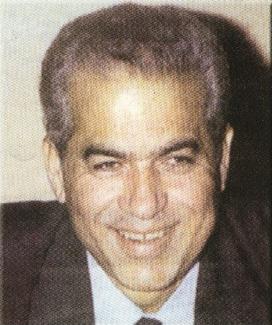
Overview and public roles
Ganzouri was a career technocrat whose background in economic administration led to cabinet-level appointments. Descriptions of his professional identity often emphasize his role as an economist and a pragmatic politician focused on development and planning. He held the post of Minister of Planning and International Cooperation before first becoming prime minister in the 1990s, and he later returned to lead an interim government following Egypt's 2011 upheaval.
Terms as prime minister and timeline
His two periods as head of government reflected different historical contexts. Ganzouri first served from 1996 to 1999, succeeding Atef Sedki and later followed in office by Atef Ebeid (see successor). In the aftermath of the 2011 revolution, Egypt's ruling military council appointed him again on 24 November 2011; he formally took office in December of that year and served through July 2012. That later appointment was made by the country's post-revolution military authorities (military council), who sought an experienced administrator for an interim cabinet.
- Born: 12 January 1933
- First term as prime minister: 1996–1999
- Second term (caretaker): December 2011–July 2012
- Ministerial roles: planning and international cooperation prior to premiership
- Died: 31 March 2021 in Cairo
Policies, reputation and public image
During his public career Ganzouri was often described as attentive to social concerns, earning informal labels such as "Minister of the Poor" and, in some accounts, an "opposition minister" because of his willingness to address grievances and engage with political critics. Much of his record centers on economic management, infrastructure projects and attempts to balance fiscal issues with social spending. As head of government he was considered a consensus-minded administrator rather than an ideologue.
Importance and legacy
Ganzouri's legacy is that of a technocratic leader who was called upon in times of change. His appointments reflected trust in his experience with planning and economic affairs and his perceived ability to manage transitions. Commentators note that his second, short-lived cabinet played a role in maintaining state functions during the complex period after the 2011 events, while his earlier term belonged to a different era of economic and political priorities.
For readers wishing to consult original sources and further profiles, there are contemporary news accounts and government records detailing his appointments, policy initiatives and biographical background. Links to those resources may be found through institutional archives and media outlets (official record, government listings).
Ganzouri died in Cairo at age 88 on 31 March 2021, and he is remembered for his long career in Egyptian public administration and his recurring role in national governance during periods of change.
Related articles
Author
AlegsaOnline.com Kamal Ganzouri (1933–2021) Leandro Alegsa
URL: https://en.alegsaonline.com/art/123256
Sources
- independent.co.uk : Vision of death that Cairo views through Ray-Bans