
Judy Collins: American singer and interpreter of folk and popular song
Judy Collins (born 1939) is an American singer-songwriter and interpreter known for a pure soprano voice, wide-ranging repertoire from folk to pop and rock, and popular recordings of “Both Sides, Now” and “Send In the Clowns.”
Overview
Judith Marjorie "Judy" Collins (born May 1, 1939) is an American singer-songwriter and performer whose career began during the folk revival of the early 1960s. Born in Seattle, Washington, she became widely known for a clear, expressive soprano and for introducing the work of younger songwriters to larger audiences.
Image gallery
8 Images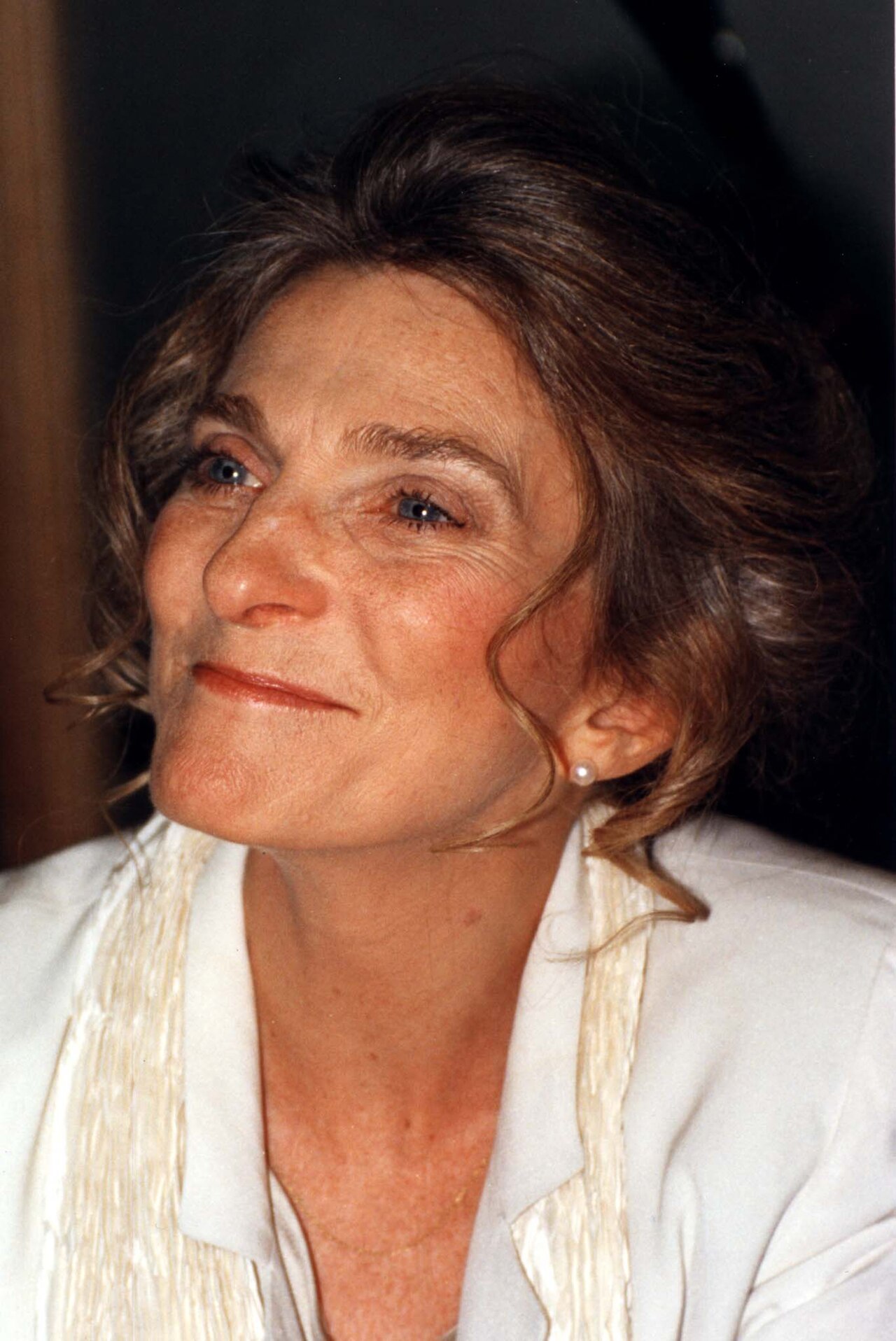


Early life and career
Collins moved into the Greenwich Village scene and the broader folk circuit, where intimate club performances and small concert halls provided a platform for both traditional ballads and newly written songs. Her early recordings combined solo guitar and voice with carefully arranged accompaniments. Over time she expanded into fuller orchestration and more varied forms, while maintaining an interpreter's focus on lyrics and melody.
Musical style and repertoire
Though often associated with the 1960s folk movement, Collins's repertoire spans many genres. She is known for adapting material that ranges from acoustic folk to contemporary pop and touches of rock and roll. Her versions of songs tend to emphasize vocal clarity, dynamic phrasing and arrangements that foreground the story within each lyric.
Notable recordings
Collins made a number of recordings that became closely associated with her name and that introduced songs by notable writers to mainstream listeners. Her interpretations include the theatrical ballad "Send In the Clowns", the traditional hymn "Amazing Grace", and her signature version of "Both Sides, Now," which helped bring that song to a wide audience. She also championed songs by contemporary writers, giving early exposure to material by songwriters who later became influential in their own right.
Influence, writings and public life
Beyond performance, Collins has been recognized as an interpreter who shaped public appreciation of modern songwriting. She has participated in concert tours, radio and television appearances, and has written memoirs and essays recounting her life in music. Her public profile also connected her to causes and community events that reflected the social concerns of artists in her generation.
Legacy
Collins's reputation rests on both her vocal qualities and her curatorial instincts: selecting lesser-known songs and arranging them so that lyrics and melody resonate with a broad audience. Her career illustrates how an interpreter can influence the reception of songs, helping to move material from intimate folk settings into mainstream popular culture. She remains a reference point for singers who balance fidelity to a song's emotional content with polished performance.
Selected aspects
- Voice and interpretation: celebrated for a pure soprano and thoughtful phrasing.
- Range: repertoire covers traditional folk, contemporary songwriting, and popular ballads.
- Role: helped popularize songs by younger songwriters and introduced theatrical and hymn material to new listeners.
For more on her recordings, performances and publications, see dedicated biographies and discographies that document a career spanning several decades.
Related articles
Author
AlegsaOnline.com Judy Collins: American singer and interpreter of folk and popular song Leandro Alegsa
URL: https://en.alegsaonline.com/art/123080
Sources
- allmusic.com : "Judy Collins Biography"