
Juan Marsé — Spanish novelist and chronicler of post‑war Barcelona
Biography and overview of Juan Marsé (1933–2020), his major works, themes centered on post‑war Barcelona, journalistic and screenwriting activity, awards including the Miguel de Cervantes Prize, and legacy.
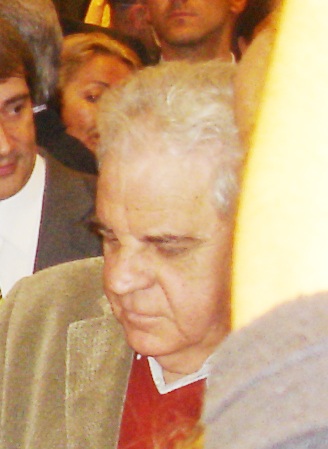
Juan Marsé Carbó (8 January 1933 – 18 July 2020) was a prominent Spanish novelist whose fiction is widely associated with the social and moral landscape of post‑Civil War Barcelona. Born and raised in Barcelona, his narratives often focus on memory, social class, youthful rites of passage and the city’s neighborhoods as characters in their own right. Beyond fiction he worked in journalism as a journalist and contributed to cultural life as a screenwriter and public commentator.
Image gallery
3 Images

Major works and recurring themes
Marsé produced a steady body of novels and short stories that combine realist observation with memorable dialogue and shifts of tone between irony and melancholy. Several of his best‑known titles examine life in the years after Spain’s Civil War: Un día volveré and Ronda del Guinardó are set in specific Barcelona quarters, and the collection Teniente Bravo gathers shorter pieces that share similar concerns. Other important novels by Marsé have been translated and studied for their psychological depth and social detail.
- Un día volveré — an early novel rooted in neighborhood life.
- Ronda del Guinardó — a portrait of a Barcelona district and its inhabitants.
- Teniente Bravo — short fiction emphasizing character and memory.
- Additional novels examine youth, identity and the lingering effects of war.

Career, recognition and adaptations
Marsé wrote for magazines and newspapers and maintained a public role in Spanish letters; in 1974 he began a column in the magazine Por Favor. His work earned widespread critical recognition and culminated in the awarding of the Miguel de Cervantes Prize in 2008, one of the most prestigious honors in Spanish‑language literature (Miguel de Cervantes Prize). Several of his novels have been adapted for film or television, extending his influence beyond the page.
Throughout his career Marsé remained closely associated with the representation of post‑war (post‑war) Barcelona (Barcelona), and his writing is often invoked in discussions of urban memory and cultural continuity in modern Spain. He died in Barcelona on 18 July 2020 from heart failure, as reported by contemporary accounts (obituary), leaving a legacy as one of the major Spanish-language novelists of the late 20th century.
Notable aspects of his legacy include influence on later writers who explore city life and memory, continued study in academic circles, and translations that have introduced his work to readers beyond Spain.
Related articles
Author
AlegsaOnline.com Juan Marsé — Spanish novelist and chronicler of post‑war Barcelona Leandro Alegsa
URL: https://en.alegsaonline.com/art/123045
Sources
- theguardian.com : "Catalan novelist Juan Marsé wins the 'Spanish Nobel prize'"
- elpais.com : Muere el escritor Juan Marsé