
Juan Bosch: Dominican writer, politician, and early democratic president
Juan Bosch (1909–2001), Dominican writer, historian and statesman; first democratically elected president after decades of dictatorship, influential in literature and party politics, served briefly in 1963.
Overview
Juan Emilio Bosch Gaviño (30 June 1909 – 1 November 2001) was a Dominican politician, historian, short-story writer and essayist. Renowned for both his literary work and his political leadership, Bosch became the first democratically elected president of the Dominican Republic in 38 years when he took office in February 1963. His administration was short-lived; he served until a military-backed coup in September 1963 deposed him. Bosch remained a central figure in Dominican public life for decades, shaping parties, ideas and public debate.
Image gallery
1 Image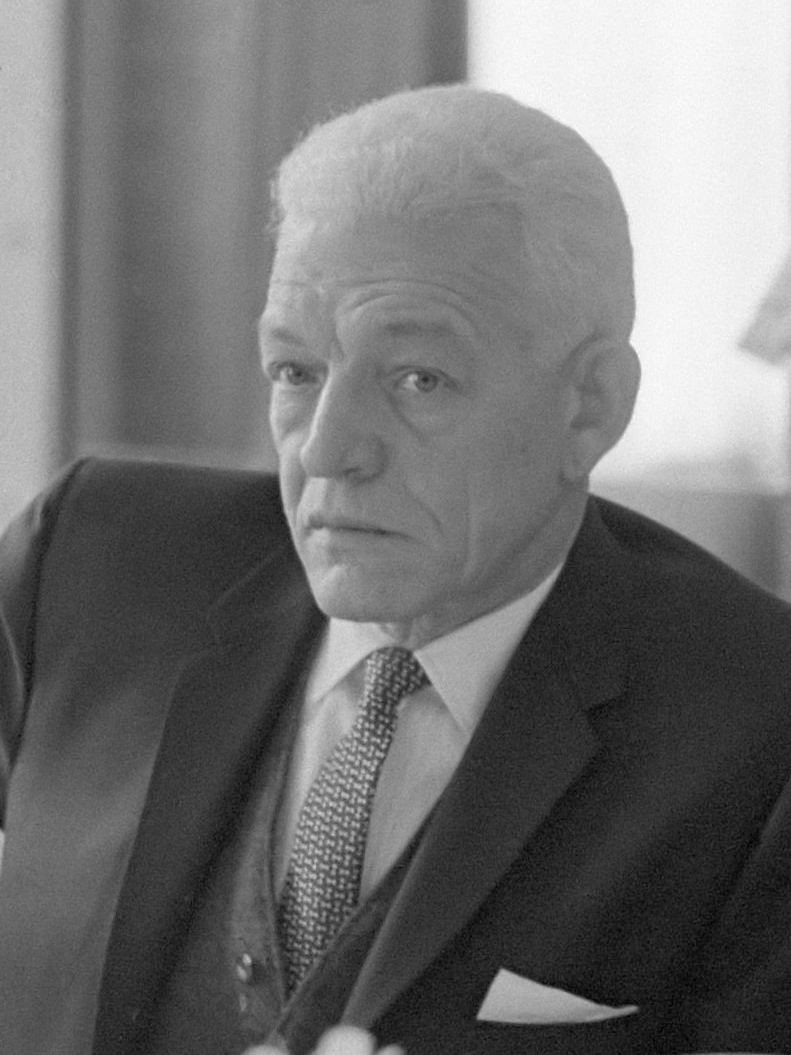
Early life, exile and family
Born in La Vega, Bosch trained as an educator and developed an early interest in literature and history. He married Isabel García in 1934 and the couple had two children, León and Carolina. During Rafael Trujillo's long dictatorship, Bosch was imprisoned for his opposition and later went into exile. He spent years abroad organizing opposition to the regime and continued writing while living in places such as Puerto Rico and elsewhere in the Caribbean and Latin America.
Political activity and party building
Bosch was a founder and leader of parties that sought to transform Dominican politics. In exile and after Trujillo's assassination he played a leading role in creating broad opposition movements and later helped establish major political formations that dominated mid‑20th‑century Dominican politics. His thought combined social reform, democratic ideals and a respect for civil liberties, and he remained influential even after being removed from office.
Presidency and overthrow
Taking office in February 1963, Bosch sought to implement progressive reforms aimed at land, labor and the rule of law. His government attempted to restore democratic institutions and reduce the concentration of power that had persisted under the previous regime. Those changes, however, stirred opposition from conservative sectors and the military, and a coup in September 1963 ended his administration. The abrupt end to his presidency led to a prolonged period of instability and set the stage for later interventions and political realignments.
Literary work and intellectual legacy
Alongside his political life, Bosch was a prolific author of short stories, essays and historical writings. His fiction often reflects social themes, human psychology and the realities of Dominican life under authoritarian rule and in exile. His literary output helped shape a generation of Caribbean and Latin American readers and provided an intellectual foundation for his political positions.
Later years and death
After his removal from office Bosch continued to influence politics as a party elder, mentor and public intellectual. He took part in founding and guiding political organizations and remained a respected voice for constitutional democracy. In later life he suffered health problems and, according to reports, spent time hospitalized in Santo Domingo. He died on 1 November 2001 after a long illness; authorities reported that he had suffered from Alzheimer's disease and complications leading to respiratory failure. His passing was marked by official honors and burial in his native La Vega.
Significance and distinctions
- First freely elected president after decades of authoritarian rule, symbolizing a short return to civilian democratic governance.
- Founder and leader in major Dominican political movements and parties that shaped post‑Trujillo politics.
- Important literary figure whose short stories and essays remain part of Dominican cultural history; he combined literary craft with political commitment.
- Long period of exile and opposition to Rafael Trujillo influenced his worldview and political strategies.
For additional biographical summaries, bibliographies and political analyses see specialist sources and collections that survey Dominican literature and 20th‑century Caribbean politics. Scholarly treatments place Bosch among the most consequential Dominican figures of his century for both cultural and political reasons. His life exemplifies the close ties between writing, exile and political activism in the region.
References and further reading can be found through national archives and literary anthologies as well as dedicated studies of Dominican political history and the opposition to dictatorship.
Selected stories and essays | Political biography | Historical writings
Related articles
Author
AlegsaOnline.com Juan Bosch: Dominican writer, politician, and early democratic president Leandro Alegsa
URL: https://en.alegsaonline.com/art/123024