
Josip Manolić — Croatian statesman and wartime veteran
Josip Manolić (born 22 March 1920) is a Croatian politician and wartime veteran who served as Prime Minister of Croatia from 24 August 1990 to 17 July 1991 during the country's transition to independence.
Overview
Josip Manolić (born 22 March 1920) is a noted Croatian politician and public figure. He held the office of Prime Minister of Croatia from 24 August 1990 to 17 July 1991, a period that covered the early months of Croatia's move away from the Socialist Federal Republic of Yugoslavia toward full independence.
Image gallery
1 Image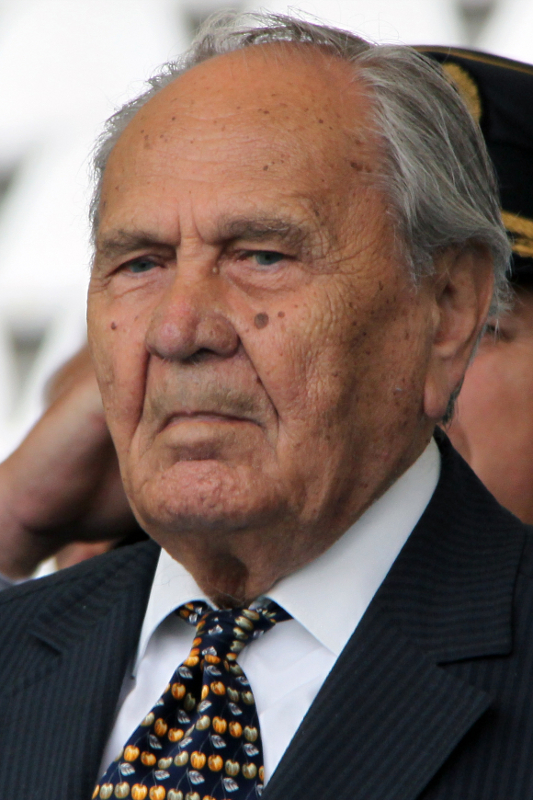
Early life and wartime activity
Born in 1920, Manolić came of age during the upheavals of World War II. Like many of his generation in the region, he joined the anti-fascist resistance and served with the Yugoslav Partisans. His wartime experience shaped his early political outlook and opened a path into postwar public service.
Postwar career and politics
After the war Manolić remained active in public life, working in administrative and security roles in the new Yugoslav and Croatian institutions. During the late twentieth century he participated in the political changes that accompanied the collapse of one-party rule, and he became a senior figure in the first Croatian governments elected under a multi-party system.
Prime ministership and role in transition
As prime minister in 1990–1991, Manolić led a government facing intense political, social, and security challenges. His term coincided with rising ethnic tensions, the assertion of Croatian sovereignty, and the initial stages of armed conflict in parts of the country. He left office in July 1991 when the government was reorganized amid the escalating crisis.
Legacy and notable facts
- Manolić is widely remembered for his long public career spanning wartime resistance, communist-era service, and roles in Croatia's democratic transition.
- He served as prime minister during a pivotal historic moment when Croatia declared independence and confronted the first phases of war.
- Observers note his career reflects the complex shifts of 20th-century Croatian and Yugoslav politics, from anti-fascist struggle to post-communist state-building.
Assessments of Manolić's record vary: supporters emphasize his administrative experience and steadying presence during a turbulent period, while critics point to the difficult compromises made during the transition. For a concise official summary of his time in office and broader biography, see contemporary references and government records. More on Croatia
Related articles
Author
AlegsaOnline.com Josip Manolić — Croatian statesman and wartime veteran Leandro Alegsa
URL: https://en.alegsaonline.com/art/122986
Sources
- hr : "Executive Power:President of the Republic"
- hidran.hidra.hr : "Druga vlada"