
Joseph Muscat (Maltese politician)
Joseph Muscat, Maltese politician who led the Labour Party and served as Prime Minister from 2013 to 2020; remembered for economic growth, a pro-EU stance and major controversies tied to corruption inquiries.
Overview
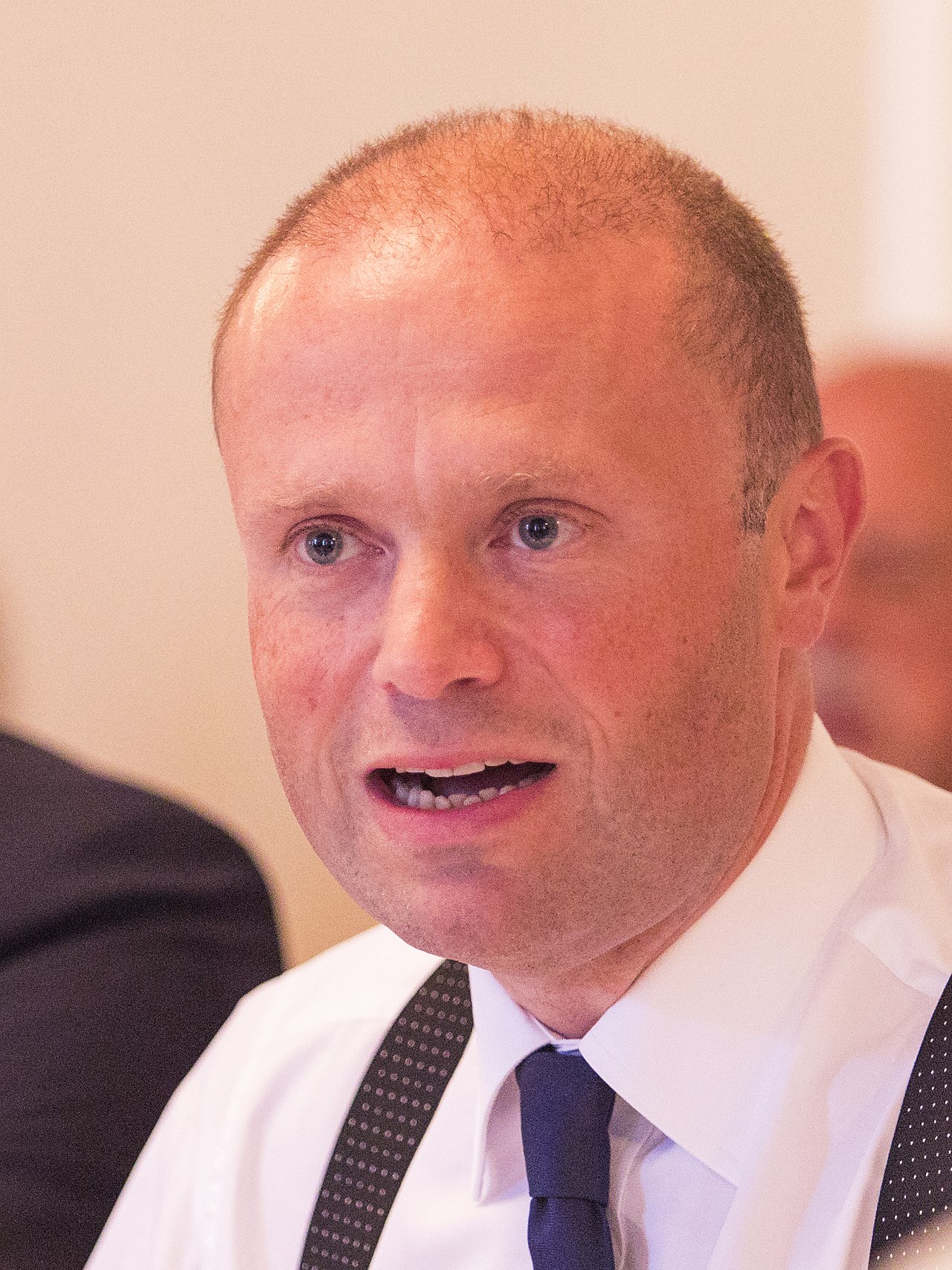
Joseph Muscat (born 22 January 1974) is a Maltese politician who rose to national prominence as leader of the Partit Laburista (Labour Party) and served as Prime Minister of Malta from 2013 until his resignation in January 2020. His time in office combined notable economic expansion and efforts to modernize Malta's public image with sustained controversy and public debate about governance, transparency and the rule of law.
Image gallery
7 Images




Early political career
Muscat first entered European-level politics as a Member of the European Parliament from 2004 to 2008, representing Maltese voters in Brussels and Strasbourg. He returned to national politics and was elected leader of the Labour Party in 2008, leading the party in opposition until it won government in 2013. For background on his earlier roles see records of his European Parliament service and party material at Labour Party sources.
Prime ministership (2013–2020)
As prime minister, Muscat promoted policies aimed at attracting foreign investment, developing digital and financial services, and supporting job creation. Supporters credited his administrations with low unemployment and robust economic activity; critics argued that some growth was accompanied by rapid construction and regulatory gaps. He cultivated a pro-European stance in foreign policy while seeking to increase Malta's visibility in EU forums. For timelines and official records consult government summaries.
Policy focus
Muscat emphasized economic competitiveness, inward investment and initiatives to present Malta as a business and technology hub. His government introduced or expanded measures intended to streamline services and attract companies. Social policies included selective reforms and programme initiatives promoted by the administration. Observers often noted a tension between the drive for fast economic development and the need for stronger oversight and regulatory capacity.
Controversies and investigations
The later years of Muscat's premiership were overshadowed by serious controversies. Allegations of corruption, conflicts of interest and weak institutional checks surfaced in public debate and investigative reporting. The case that drew the most sustained attention internationally involved the murder of investigative journalist Daphne Caruana Galizia in 2017; media and public inquiries linked elements within Malta's political and business environment to the events around that crime. Coverage of the murder investigation and its political ramifications is widely available, for example at reports on the investigation and analyses collected by independent outlets at critical commentary.
Legal and political fallout
Following intense domestic and international pressure, and amid inquiries into corruption and governance, Muscat announced in December 2019 that he would step down and formally resigned in January 2020. In the aftermath there were criminal investigations, prosecutions and political debates about systemic reforms. Commentators and campaigners pressed for strengthened transparency, press protections and changes to institutions implicated in the controversies; for accounts of corruption-related proceedings see coverage of corruption inquiries.
Legacy and assessment
Assessments of Muscat's tenure vary. Supporters point to economic indicators, foreign investment and modernization efforts; opponents highlight governance failures, the erosion of public trust and the severe consequences of unresolved institutional weaknesses. Historians and analysts place his years in office within a wider story of rapid social and economic change in Malta during the 2010s and continuing debates over accountability in small states.
Further reading
For factual chronologies, official documents and primary sources consult party and government archives as well as independent reporting and inquiry records. Useful starting points include the Labour Party profile at party materials, official government summaries at state records, the European Parliament record at his MEP page, and investigative reporting compiled around the controversies at critical media sources, corruption inquiries and coverage of the Galizia murder case.
Related articles
Author
AlegsaOnline.com Joseph Muscat (Maltese politician) Leandro Alegsa
URL: https://en.alegsaonline.com/art/122933
Sources
- timesofmalta.com : "Joseph Muscat crowned Labour leader"
- timesofmalta.com : "Joseph Muscat sworn in, goes to Castille, as huge crowd celebrates"
- electoral.gov.mt : "General Election"
- europarl.europa.eu : "Joseph Muscat" · web.archive.org
- parlament.mt : "Parlament ta' Malta"
- politico.eu : "Corruption allegations threaten to wreck Muscat's premiership" · web.archive.org
- reuters.com : Reuters
- timesofmalta.com : "Joseph Muscat expected to step down imminently"