
José Sócrates — Portuguese politician and former prime minister
Portuguese Socialist Party leader who served as Prime Minister from 2005–2011; led Portugal during the 2008 financial crisis and later faced high‑profile legal investigations.
Overview
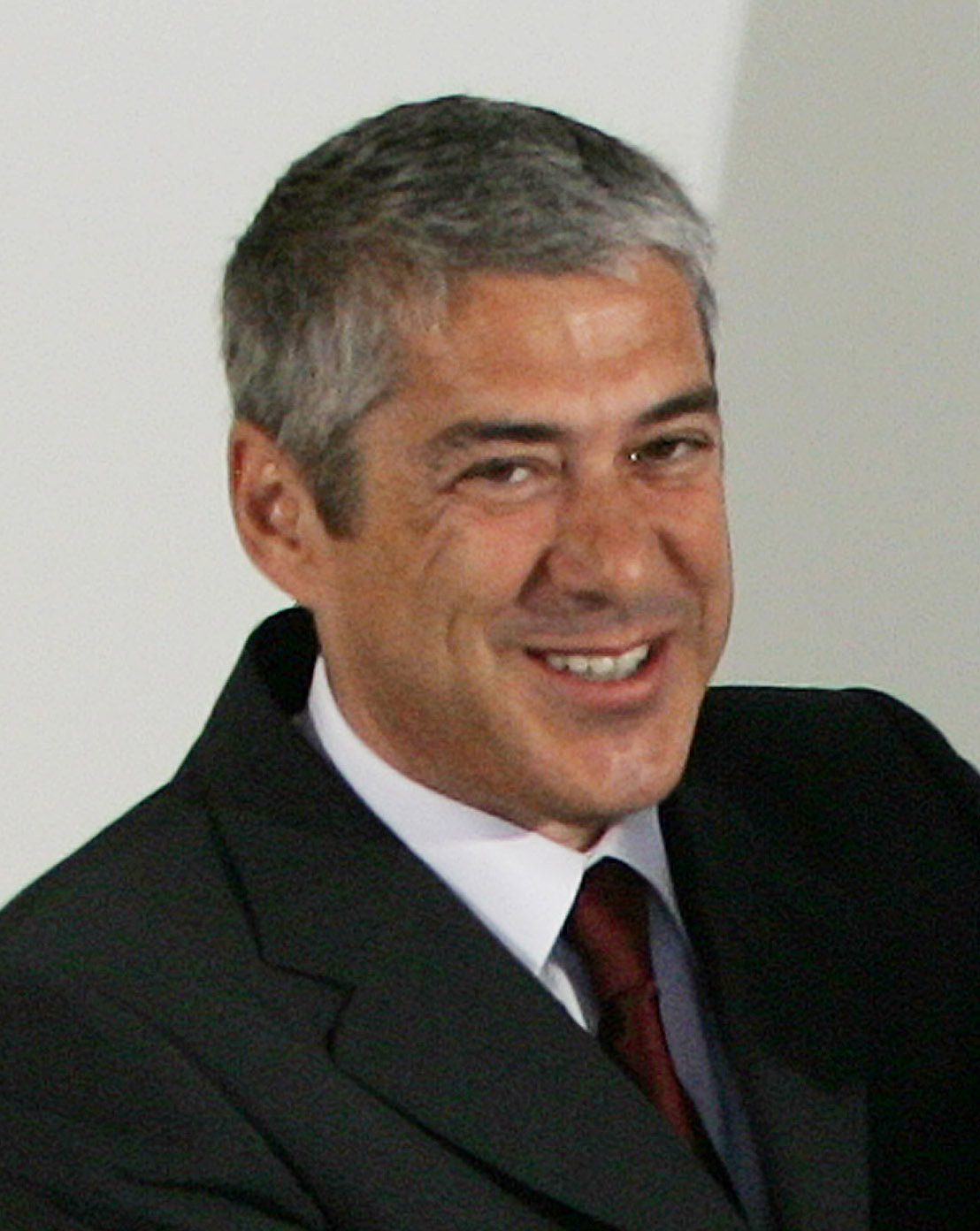
José Sócrates Carvalho Pinto de Sousa (born 6 September 1957) is a Portuguese politician best known for serving as head of government from 2005 to 2011. A member and leader of the Socialist Party, he held the office of Prime Minister of Portugal and in 2007 occupied the rotating presidency as President‑in‑Office of the Council of the European Union. His name is often followed by the Portuguese honorific GCIH (GCIH).
Image gallery
7 Images



Early life and political rise
Sócrates was born in Vilar de Maçada and trained as a civil engineer at Instituto Superior Técnico in Lisbon. He became active in politics through the Socialist Party and rose through municipal and national ranks before being elected party leader in 2004. His ascent culminated in a parliamentary victory that brought him to the premiership in March 2005.
Government, policy themes and domestic agenda
As prime minister, Sócrates pursued a mix of public investment and structural reforms. His administrations emphasized modernization programs, efforts to expand Portugal's renewable energy capacity, and reforms in public services. Major themes included:
- Investment in infrastructure and modernization projects.
- Measures to promote renewable energy and environmental policy.
- Reforms in areas such as education, health and public administration.
His tenure coincided with the global financial crisis of 2008, which strained public finances and increased attention on debt and deficit policies across Europe.
2008–2011 crisis and electoral defeat
The international economic downturn and subsequent sovereign‑debt pressures in Europe affected Portugal during the latter part of Sócrates's time in office. Political controversy grew over austerity proposals and fiscal measures; after his government lost a parliamentary vote on an austerity package, he called early elections in 2011 and resigned when his party was defeated. The economic context of his final years in office shaped the next phase of Portugal's policy choices under a new government.
Legal proceedings and controversies
After leaving office, Sócrates became the subject of a prolonged and highly publicized judicial inquiry known in Portugal as Operação Marquês. In 2014 he was arrested on suspicion of corruption, tax fraud and money laundering; he spent time in pretrial detention and was later released pending trial. Judicial processes have involved many complex counts and rulings: some charges were dismissed while others proceeded. In April 2021 a court ordered that he be tried for acts of money laundering and falsification of documents, while dismissing three charges of corruption; legal developments have continued to draw public and media attention.
Notable facts and legacy
Sócrates remains a polarizing figure in contemporary Portuguese politics. Supporters recall periods of modernization and investment, while critics focus on economic difficulties during his last years in office and subsequent judicial controversy. His tenure is often discussed in studies of Portugal's response to the 2008 crisis and the institutional scrutiny that followed.
For further context on his career and honours see Portuguese political records and the official notices linked to his decorations.
Related articles
Author
AlegsaOnline.com José Sócrates — Portuguese politician and former prime minister Leandro Alegsa
URL: https://en.alegsaonline.com/art/122885
Sources
- publico.pt : "Socialistas procuram digerir medidas de austeridade anunciadas pelo Governo"
- lefigaro.fr : "Budget, impôts, retraite : la leçon d'austérité du Portugal"