
José Sarney: Brazilian politician, president (1985–1990), and writer
Overview of José Sarney (born 1930): career from regional politics to the presidency, role in Brazil’s transition to democracy, major policies, later life as senator and writer, and legacy.
Overview
José Sarney de Araújo Costa (born 24 April 1930) is a Brazilian politician, lawyer and author who served as President of Brazil from 15 March 1985 to 15 March 1990. He rose from state-level politics to national prominence and played a central role in the country’s return to civilian rule after a long period of military government. His presidency followed the electoral victory of Tancredo Neves and an unexpected change in succession that shaped Sarney’s tenure.
Image gallery
7 Images


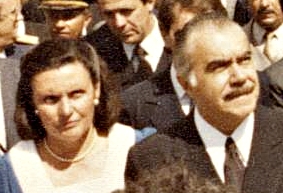

Rise to national office
Sarney built his career in Maranhão and later in the national legislature, combining political activity with work as a writer. He was elected Vice President on a ticket headed by Tancredo Neves; the pair represented the consolidation of opposition forces to military rule. When Neves fell ill before inauguration, events surrounding the transfer of power became a defining moment: Sarney was sworn in as vice president and assumed executive duties after Neves’s death, a sequence linked in contemporary accounts to the formal inauguration process and vice-presidential duties.
Presidency and governance
Sarney’s administration presided over the transition from military-dominated institutions to a restored civilian political order. His government oversaw a broad constitutional process that led to a new constitution late in the 1980s, and it confronted severe economic challenges, notably persistent inflation and repeated stabilization attempts. The early months after the elected transfer of power were marked by legal and political negotiations around the inauguration itself and the constitutional timetable, and by public concern following the illness of President-elect Neves attributed to diverticulitis medical reports.
Later career, writing and influence
After leaving the presidency, Sarney continued as an influential figure in Brazilian politics, serving in the legislature and in party leadership roles. He is also known for his literary output, publishing essays, poetry and memoirs that reflect on politics and culture. His family has remained active in regional and national politics, and his long public career has made him a familiar figure across several generations of Brazilian leaders.
Controversies, legacy and notable facts
- He assumed the presidency amid tragedy, following the death of his running mate.
- His term saw the drafting and enactment of a new constitution that reshaped executive and legislative powers.
- Economic instability and multiple anti-inflation measures marked his years in office.
- He has been both praised for guiding a democratic transition and criticized for political maneuvers and governance decisions.
For further reading on his life and public service, consult biographies and contemporary analyses of Brazil’s 1980s transition to democracy and institutional reforms. Additional resources and archival material are available through documentary collections and political studies focused on the period.
In July 2021 Sarney was hospitalized for pleural effusion and underwent surgery to remove fluid from his lungs; health updates have been part of recent public coverage of his long career and life in retirement.
Related articles
Author
AlegsaOnline.com José Sarney: Brazilian politician, president (1985–1990), and writer Leandro Alegsa
URL: https://en.alegsaonline.com/art/122889