
José Alencar — Brazilian businessman and vice president (1931–2011)
Brazilian industrialist and politician who served as Vice President from 2003 to 2010; noted for his business background, coalition role in government and his public battle with cancer.
Overview
José Alencar Gomes da Silva (17 October 1931 – 29 March 2011), commonly known as José Alencar, was a prominent Brazilian entrepreneur and politician. He is best known for serving as Vice President of Brazil from 2003 until 2010 during the administration of President Luiz Inácio Lula da Silva. Alencar combined a background in industry with a role in national politics, becoming widely recognized for his straightforward manner and resilience during a long public struggle with cancer.
Image gallery
8 Images


Business career and background
Before entering national politics, Alencar made his reputation as an industrialist. He built a notable presence in Brazil's manufacturing sector, founding and leading textile and related enterprises that employed thousands. His experience as a business owner informed his political positions: he often spoke for pragmatic economic policies, competitiveness for Brazilian industry, and closer ties between government and the private sector.
Political life and vice presidency
Alencar moved into elected office after his business career, winning national support that led to higher office. He joined the ticket of Luiz Inácio Lula da Silva as running mate in presidential campaigns and served two terms as vice president (2003–2010). In that role he acted both as a national figurehead and as a bridge to business constituencies, sometimes voicing independent or critical views even while supporting the coalition government.
Health, public image and legacy
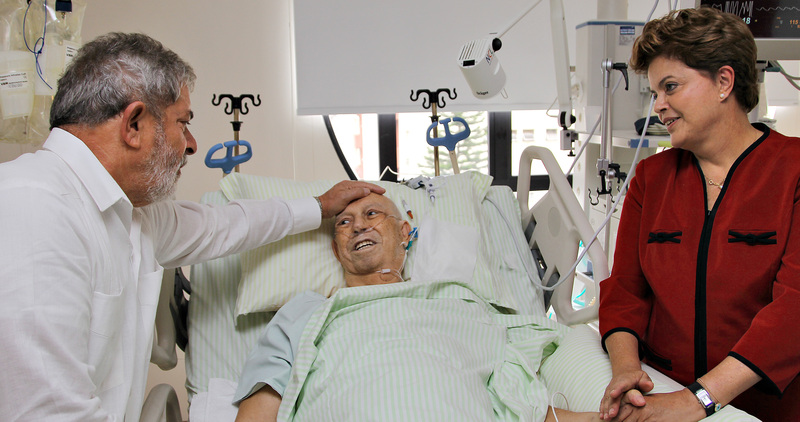
Alencar's public image was strongly shaped by his long battle with multiple cancers. He underwent surgeries and treatments over several years and remained politically active, earning the popular sobriquet "the Strong" for his perseverance. He died in São Paulo on 29 March 2011 at the age of 79 from complications related to kidney, stomach and prostate cancers. His life is often recalled for the way he merged a businessman's outlook with a commitment to public service and national dialogue.
Notable facts and further reading
- Detailed biography and career overview
- Records of his vice-presidential tenure (2003–2010)
- Information on his health challenges and treatments
- Reports on his later-life public appearances
- Tributes and reactions after his death
- Context on his role in Brazilian industry and politics
Summary: José Alencar remains a significant figure in recent Brazilian history as a successful industrialist who transitioned into high office, serving as vice president and acting as a conciliatory voice between government and business while confronting serious illness in the public eye.
Related articles
Author
AlegsaOnline.com José Alencar — Brazilian businessman and vice president (1931–2011) Leandro Alegsa
URL: https://en.alegsaonline.com/art/122827
Sources
- g1.globo.com : "Ex-vice-presidente José Alencar morre aos 79 anos"