
José Carreras — Spanish Tenor and Humanitarian
José Carreras (born 1946) is a Catalan operatic tenor known for Verdi roles, his part in the Three Tenors, and for founding a leukemia foundation after surviving the illness.
Overview
José Carreras (born Josep Carreras i Coll, 5 December 1946) is a Catalan operatic tenor from Barcelona, Spain. He established an international career during the late 20th century and has been celebrated both for his operatic work and for his humanitarian activities. Carreras combined a stage career at important opera houses with many concert appearances and recordings, and he reached a wider popular audience through collaborative projects.
Image gallery
6 Images
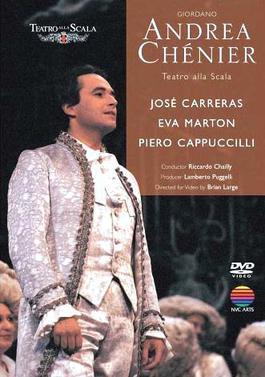
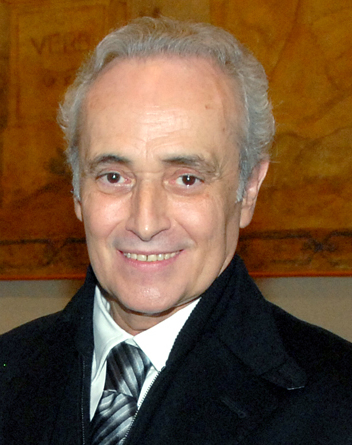

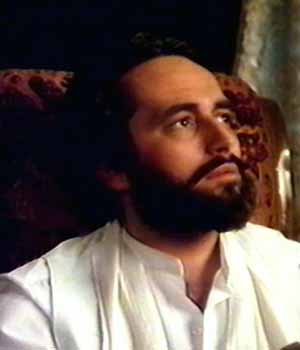

Early life and training
Carreras was born and raised in the Sants district of Barcelona in the region of Catalonia. His family spent a period abroad in Argentina during his childhood, and he began singing publicly at an early age. He received formal vocal training in Barcelona and made his first professional appearances in the 1960s. Early teachers and local musical institutions shaped his technique and repertory choices, and he quickly attracted attention for the warmth and expressiveness of his voice.
Career and repertoire
Over several decades Carreras developed a repertory that included the principal roles of Italian opera — particularly works by Verdi and Puccini — along with bel canto parts and Spanish song and zarzuela. He appeared at major houses and festivals across Europe and the Americas and made numerous studio and live recordings. Critics and audiences often praised his lyrical phrasing, clear diction, and passionate interpretations.
- Typical roles: leading parts in Verdi and Puccini operas, selected bel canto roles, and Spanish repertoire.
- Performance venues: regular appearances in the foremost opera houses and concert halls of Europe and the Americas.
- Recordings: documented a wide range of operatic arias, complete operas, and recitals of Spanish and popular song.
The Three Tenors and popular exposure
Carreras became widely known beyond the traditional opera audience as a member of the Three Tenors, a celebrated grouping that included Plácido Domingo and Luciano Pavarotti. Concerts and recordings by the trio introduced operatic repertoire to mass audiences and remain among the best-known crossover events in classical music of the late 20th century. Their performances combined popular programming with operatic showpieces, contributing to a renewed public interest in the tenor voice and in opera generally.
Illness, recovery, and foundation
In the late 1980s Carreras was diagnosed with leukemia while in Paris. After intensive medical treatment he recovered and returned to the concert platform. Motivated by his experience as a patient, he established the José Carreras International Leukaemia Foundation in Barcelona on 14 July 1988. The foundation supports research, patient care, and public education with the aim of improving diagnosis and treatment and supporting patients and families affected by the disease.
Honours, recognition and later work
Carreras has received numerous honours for his artistic achievements and for his charitable work. Awards and honorary distinctions have recognized both his contribution to operatic music and his commitment to medical philanthropy. In later years he has continued to perform selectively, to record, and to appear at benefit concerts connected to the foundation and to other causes.
Voice, style and legacy
Carreras is often described as having a warm, expressive tenor with a gift for lyrical line and dramatic intensity. He is particularly associated with the Italian repertory but remained versatile, performing Spanish song and lighter repertoire alongside more dramatic parts. His legacy includes a substantial discography, memorable live performances, and a public profile shaped both by musical accomplishment and by visible humanitarian engagement.
Further notes
- Carreras's career illustrates the dual path of an international operatic artist who also became an advocate for medical research after personal illness.
- The José Carreras International Leukaemia Foundation maintains programs aimed at research collaboration, patient support, and raising public awareness.
- For discussions of vocal technique, repertory, and recordings, consult specialized musical guides and catalogues; for foundation activities see authoritative reports from the foundation and health organizations.
Key topics related to his life include the role of a tenor in opera, the musical traditions of Catalonia, the experience of emigrant communities such as those who spent time in Argentina, and the broader history of medical philanthropy in treating leukemia. Further biographical and discographic information is available through music libraries, recorded archives, and institutional profiles maintained by arts organizations and the artist's foundation. See also resources and official statements connected to his birthplace, Barcelona, and to his national context, Spain.
Selected reference points include accounts of his early life in Barcelona, career milestones documented in contemporary reviews, and materials published by the José Carreras International Leukaemia Foundation concerning its programs and history. For information about major performances in France and elsewhere, consult festival and house archives noting appearances in cities such as Paris.
Related articles
Author
AlegsaOnline.com José Carreras — Spanish Tenor and Humanitarian Leandro Alegsa
URL: https://en.alegsaonline.com/art/122834
Sources
- bcn.es : Plaque placed by the city of Barcelona on the street where Carreras was born