
Joko Widodo
Joko “Jokowi” Widodo (born 21 June 1961) is an Indonesian politician and former businessman who rose from local government to the presidency; known for pragmatic leadership, infrastructure programs and a populist style.
Overview
Joko Widodo, commonly called Jokowi, is an Indonesian political figure who rose from a small-business background to national leadership. Born on 21 June 1961 in Surakarta, Central Java, he built a career as a furniture entrepreneur before entering public office. He is widely recognized for a down-to-earth image, frequent direct visits to communities and an emphasis on infrastructure and bureaucratic reform.
Image gallery
10 Images


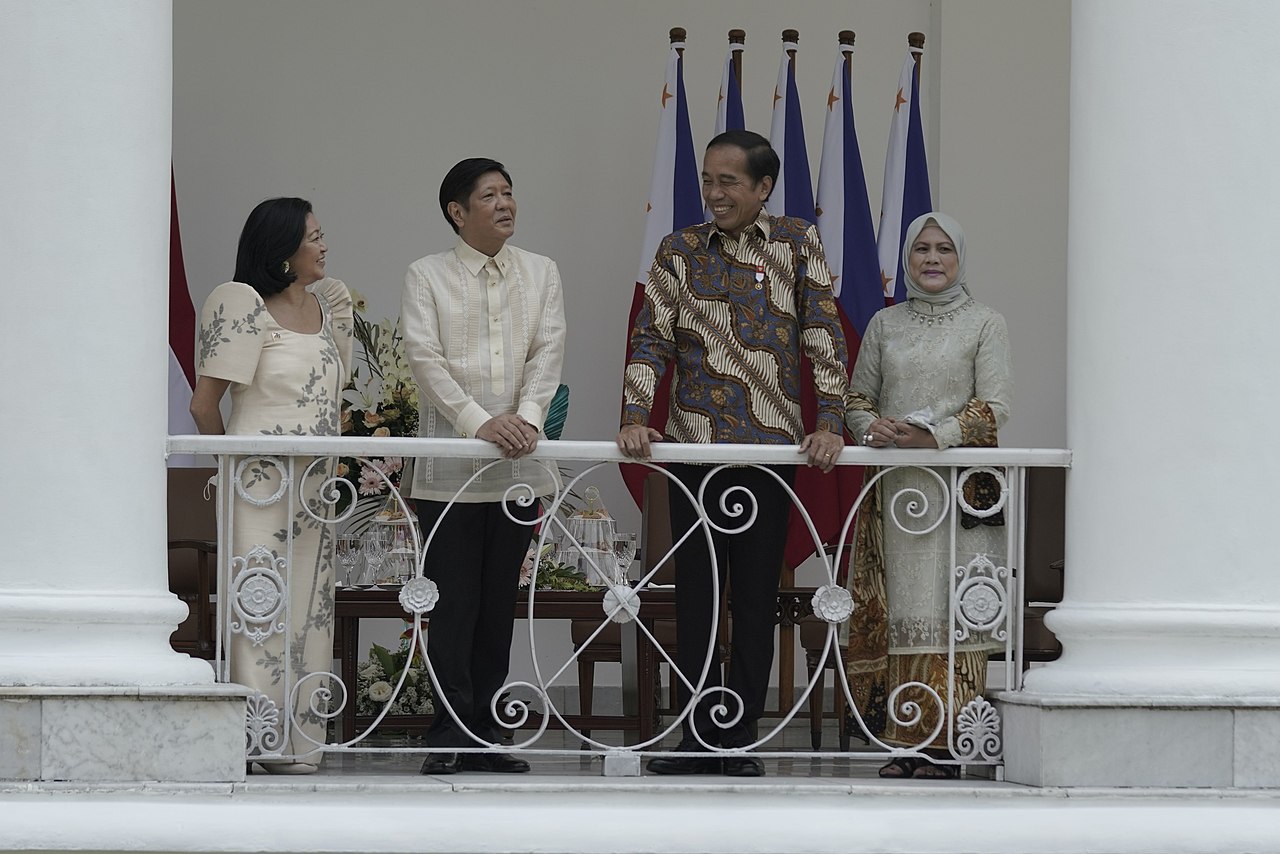


Early life and background
Widodo was raised in a modest household in the city of Central Java and studied at the Faculty of Forestry at Gadjah Mada University. After graduation he worked in the furniture trade and ran a small export business, which helped form his reputation as a practical manager rather than a career politician. He is married to Iriana and they have three children. Widodo has referred to popular culture in unexpected ways, including an affinity for heavy metal music, which received attention in media profiles.
Political rise and offices
Jokowi entered electoral politics with the Indonesian Democratic Party of Struggle (PDI‑P) and served successively at the local and provincial levels. He was elected mayor of Surakarta in 2005 and re-elected after a first term noted for urban renewal and improved public services. In 2012 he became governor of Jakarta, where a visible, hands-on approach won broad public attention and set the stage for a national campaign.
- Elected President of Indonesia on a ticket supported by PDI‑P, sworn in on 20 October 2014 (presidency).
- His first-term vice president was Jusuf Kalla (vice president in 2014–2019); for his second term, beginning after re-election in 2019, his running mate was Ma'ruf Amin.
Governing style and priorities
Widodo’s public image is often described as pragmatic and managerial. He popularized impromptu visits to public facilities and neighborhoods—sometimes called “blusukan”—to inspect services and engage directly with citizens. Policy priorities emphasized large-scale infrastructure: ports, roads, airports and public transport projects aimed at reducing logistical costs and spurring economic growth. His administrations promoted measures to simplify business permits and attract foreign investment, while also expanding targeted social assistance programs to low-income households.
Notable initiatives, reception and criticisms
Among notable national initiatives during Widodo’s administration were an accelerated program of roads and ports, reforms intended to streamline bureaucratic procedures, and public health and education assistance cards intended to increase access for poor families. His decision-making style and outsider background helped break the pattern of leaders drawn from military or long-established political elites, which many observers saw as a symbolic shift in Indonesian politics.
At the same time, some policies—especially rapid infrastructure expansion and large permit approvals—drew criticism from environmental groups, human-rights advocates and local communities concerned about displacement or ecosystem impacts. Political opponents and analysts also debated trade-offs between economic growth targets and regulatory safeguards. Jokowi’s pragmatic, consensus-oriented style has been praised for effectiveness by some and criticized by others for insufficient attention to institutional checks.
Legacy and significance
Joko Widodo’s rise from small-business owner to national leader is frequently cited as a modern example of political mobility in Indonesia’s democratic era. He remains a central figure in contemporary Indonesian politics, notable for combining a personal, hands-on approach with large-scale development ambitions. For more detailed accounts of his policies, elections and public reception see profiles and analyses from national and international sources: biographical overviews, governance studies, and policy reviews.
Further reading and references are available through official biographies and academic treatments of recent Indonesian politics: local government reform, presidential archives, and reporting on the 2019 election cycle (regional perspectives, city-level case studies, executive office, and personal profiles).
Related articles
Author
AlegsaOnline.com Joko Widodo Leandro Alegsa
URL: https://en.alegsaonline.com/art/122718
Sources
- abc.net.au : "Joko Widodo sworn in as Indonesia's seventh president; reaches out to opposition and common people in inaugural speech"
- theguardian.com : "Joko 'Jokowi' Widodo's metal manifesto"