
John Zerzan: Critic of Civilization and Anarcho-Primitivist Thought
Overview of John Zerzan, an American anarchist and primitivist writer known for radical critiques of agriculture, technology, language and symbolic culture and for editing Green Anarchy.
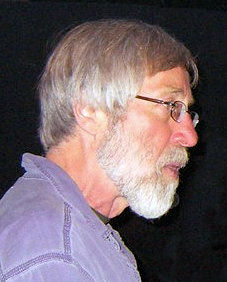
John Zerzan (born 1943) is an American writer and thinker associated with anarchist and primitivist currents. He rose to prominence for arguing that many defining features of modern civilization — including agriculture, industrial technology, and complex symbolic systems — have produced alienation and ecological harm. Zerzan’s work consists mainly of essays and books that challenge widely held assumptions about progress and propose a radical rethinking of human society and its technological foundations. He has been an editor and contributor to journals and debates within anti-authoritarian and radical environmental movements.
Image gallery
3 Images

Core ideas and themes
Zerzan’s central critique targets what he and like-minded critics see as the civilizing process that began with sedentary agriculture. He questions the consequences of domestication, hierarchical social organization, and the increasing mediation of experience by tools and symbols. Specific themes in his work include:
- Critique of agriculture as a historical turning point that reshaped human relation to nature and led to social stratification — often discussed in the context of the agricultural revolution.
- Questioning domestication and the human tendency to control plants, animals, and environments, linked to broader ethical and ecological concerns (domestication).
- Interrogation of symbolic systems such as language, mathematics and art, which he argues can distance people from direct, lived experience (language, mathematics, art).
- A critical view of time as a regimenting concept tied to work, scheduling and industrial productivity.
Intellectual context and development
Zerzan is commonly placed within anarchist debates and the broad category of primitivism, where he is one of the more visible contemporary proponents. His perspective draws on diverse sources: critiques of industrial capitalism, indigenous studies (when used cautiously), certain readings of anthropology and philosophy, and earlier radical and environmentalist thought. He has engaged in public debates, lectures and published collections of essays that consolidate his position as a distinctive voice within anti-civilization currents. For background on related tendencies and communities he has worked with, see commentary on anarchist and Green Anarchy-aligned networks.
Major works and publications
Zerzan’s key books collect essays and longer reflections that map the development of his thought. Among his better-known titles are:
- Elements of Refusal (1988) — essays critiquing technology and domination.
- Future Primitive and Other Essays (1994) — a more accessible collection introducing his primitivist critiques.
- Running on Emptiness (2002) — further reflections on culture and meaning.
- Against Civilization: Readings and Reflections (2005) — an edited volume with commentary.
- Twilight of the Machines (2008) — a direct critique of technological society and advocacy for dismantling certain systems.
Influence, uses and criticism
Zerzan’s ideas have been influential in some radical environmental and anarchist circles, shaping discussions about sustainability, technology, and alternatives to industrial life. Activists, writers and artists who explore anti-consumerist or deindustrializing themes sometimes cite his work. At the same time his proposals have provoked substantial critique. Scholars and activists often argue that his vision is impractical, overlooks the adaptability and diversity of prehistoric societies, or romanticizes pre-agricultural life. Others raise concerns about how anti-civilization rhetoric can be interpreted and applied in political practice.
Distinctions and notable facts
Zerzan is notable less as a mainstream academic and more as a polemicist and organizer within radical milieus. He has edited and contributed to small journals and alternative presses, and his essays have circulated widely in translated and reprinted forms. While many readers find his critique provocative and clarifying, mainstream anthropology, history and ecology generally favor more nuanced accounts of the rise of agriculture and technology than those found in primitivist writings. For additional reading on the debates around Zerzan’s positions and their reception, see resources linked in activist and scholarly discussions (primitivist perspectives and critiques).
Zerzan’s work remains a reference point in contemporary debates about technology, ecology and social change: whether as inspiration for radical rethinking or as a foil prompting rebuttal, his writings continue to shape conversations about the costs and promises of civilization.
Related articles
Author
AlegsaOnline.com John Zerzan: Critic of Civilization and Anarcho-Primitivist Thought Leandro Alegsa
URL: https://en.alegsaonline.com/art/122715