
John Wojtowicz (1945–2006), central figure in the 1972 Brooklyn bank robbery
John Wojtowicz was a New York-born bank robber whose 1972 Brooklyn heist and dramatic hostage standoff inspired the film Dog Day Afternoon and generated sustained media and documentary attention.
Overview
John Stanley Wojtowicz (March 9, 1945 – January 2, 2006) was an American bank robber whose 1972 attempted robbery and subsequent hostage standoff in Brooklyn became a high-profile event in United States criminal and media history. Born in New York City to parents of Polish origin, Wojtowicz’s background, intimate relationships and courtroom conduct attracted intense public interest and later inspired dramatizations and documentaries.
Image gallery
1 Image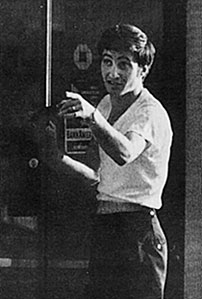
The 1972 robbery and standoff
In August 1972 Wojtowicz and at least two accomplices entered a Brooklyn bank and took hostages, initiating a prolonged police siege that drew local and national news coverage. One accomplice, Salvatore Naturile, was shot and killed during the confrontation. The incident was widely reported at the time and has been recounted in subsequent accounts and analyses of crime reporting and police tactics. Contemporary press coverage and legal records are primary sources for the sequence of events and official responses (robbery reports).
Motives and personal life
Wojtowicz later said one of his motives was to obtain money that he hoped would help a close partner undergo a planned gender-affirming surgery; this personal element contributed to the story’s public resonance, making it more than a straightforward account of robbery. His private life, including relationships that were unconventional for the era, was often discussed in media profiles and documentaries that revisited the case.
Legal consequences and later years
Wojtowicz was arrested, tried and convicted in connection with the robbery and hostage incident. He served time in prison and, after release, remained a controversial public figure: he gave interviews, disputed some popular versions of events and took part in filmed projects that revisited the robbery. Accounts of his role sometimes differ, and witnesses and participants offered varying perspectives on his motives and behaviour.
Cultural impact and portrayals
The robbery and standoff were dramatized in the 1975 feature film Dog Day Afternoon, directed by Sidney Lumet and starring Al Pacino, a film that presented a fictionalized account of the incident and brought the episode to a wide audience. Journalists, scholars and filmmakers have examined the case in discussions of 1970s urban life, media coverage of crime, and representations of gender and sexuality in popular culture. Several documentaries—three of which focus closely on Wojtowicz—have explored his personality, the events of 1972 and how the story was retold in film and press.
Background and context
Wojtowicz was raised in New York City and his family roots in immigration and working-class neighbourhoods are frequently noted in biographical summaries. For local context and contemporary reportage, researchers consult news coverage from New York City outlets and archival material; sources that discuss his upbringing often note his connection to a community of Polish immigrants and the social climate of the period.
Death and legacy
Wojtowicz died of cancer on January 2, 2006, at his mother’s home in New York City. His life continues to be cited in studies of crime and celebrity, the ethics of adapting real events into dramatic works, and evolving public conversations about gender identity. Modern discussions often treat the case as an intersection of criminal justice, media spectacle and personal motives.
Further reading and resources
- Contemporary newspaper and magazine coverage of the 1972 robbery and trial (robbery reports).
- Analyses of the film Dog Day Afternoon and commentary on its relationship to the real events.
- Documentaries and interviews that revisit Wojtowicz’s own accounts and those of others involved.
- Local histories and biographical summaries from New York City archives that include background on immigrant communities such as those of Polish immigrants.
Related articles
Author
AlegsaOnline.com John Wojtowicz (1945–2006), central figure in the 1972 Brooklyn bank robbery Leandro Alegsa
URL: https://en.alegsaonline.com/art/122710
Sources
- nndb.com : "John Wojtowicz in the Notable Names Database"